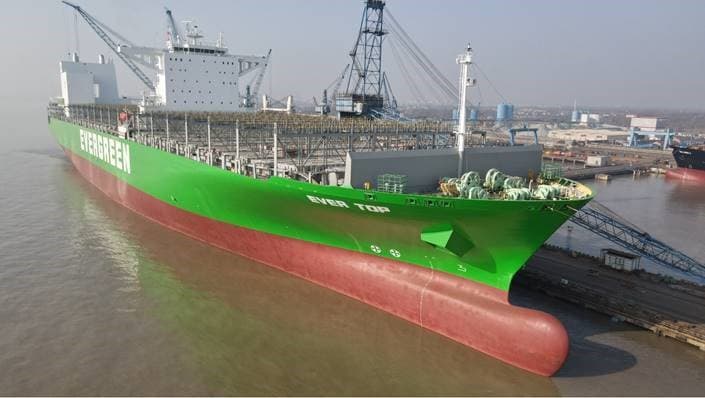
The container shipping landscape between China and South Africa is experiencing a notable transformation. This change is primarily driven by the withdrawal of Evergreen and PIL from the previously established service loops, as reported by Alphaliner. The network, which historically involved five carriers—Cosco Shipping Lines, Gold Star, ONE, Evergreen, and PIL—and operated with two service loops, is now being reconfigured.
Evergreen and PIL have each launched their own independent services, named SAF and UBX respectively, indicating a strategic shift towards self-operated routes on this trade lane. This move effectively dismantles the previous collaborative structure.
For freight forwarders and shippers, this development means a reassessment of available services on the China-South Africa route. The exit of two major carriers from the existing network and their subsequent launch of new, potentially distinct services could lead to changes in vessel schedules, port rotations, and overall capacity. It is crucial for logistics professionals to monitor these new service offerings to understand their impact on transit times, reliability, and potentially, freight rates. Contract negotiations and booking strategies may need to adapt to the altered service landscape.