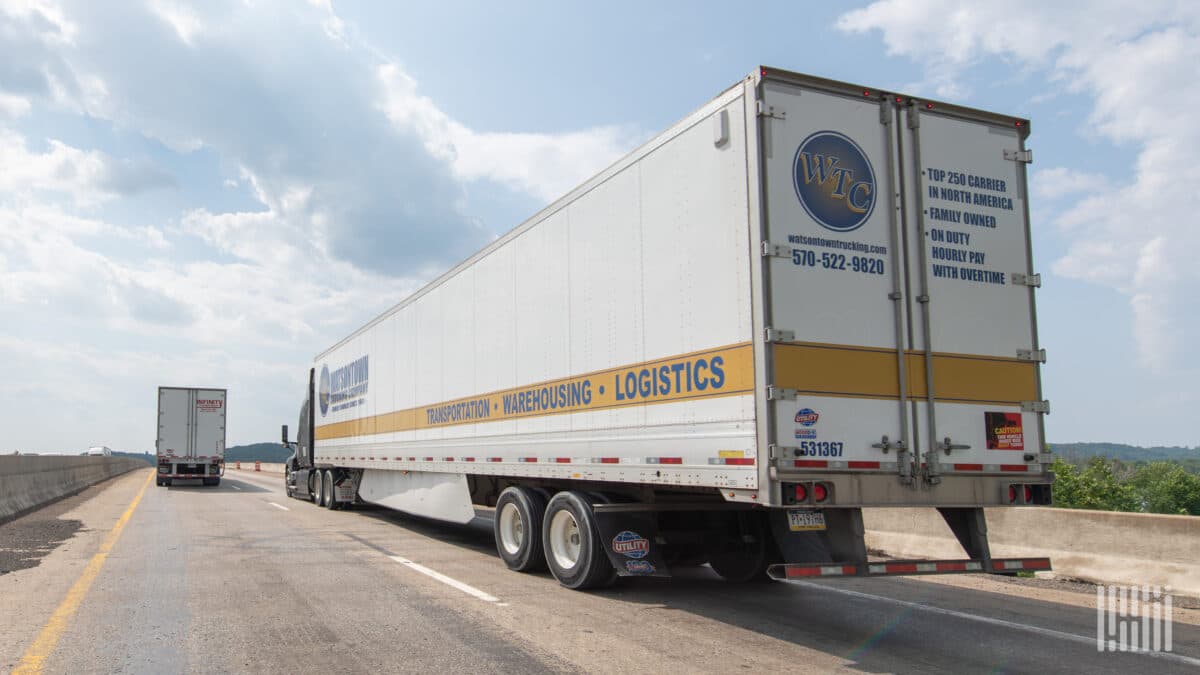
The truckload industry is currently observing a notable trend of shrinking average haul distances. This development stems from broader supply chain adaptations, which have altered how goods are moved and distributed across various networks. The reduction in miles per shipment indicates a shift in logistics strategies, potentially driven by factors such as inventory repositioning, increased regionalization of supply chains, or changes in consumer demand patterns.
For freight forwarders and operations managers, this trend could have several implications. Shorter hauls might lead to a higher frequency of loads, potentially requiring more efficient dispatching and routing strategies. While it could ease some capacity shortfalls by making existing truck fleets more productive over shorter distances, it might also necessitate adjustments in pricing models and driver compensation structures. Forwarders should monitor lane density and optimize their networks to capitalize on these evolving patterns, ensuring efficient utilization of assets and competitive service offerings.