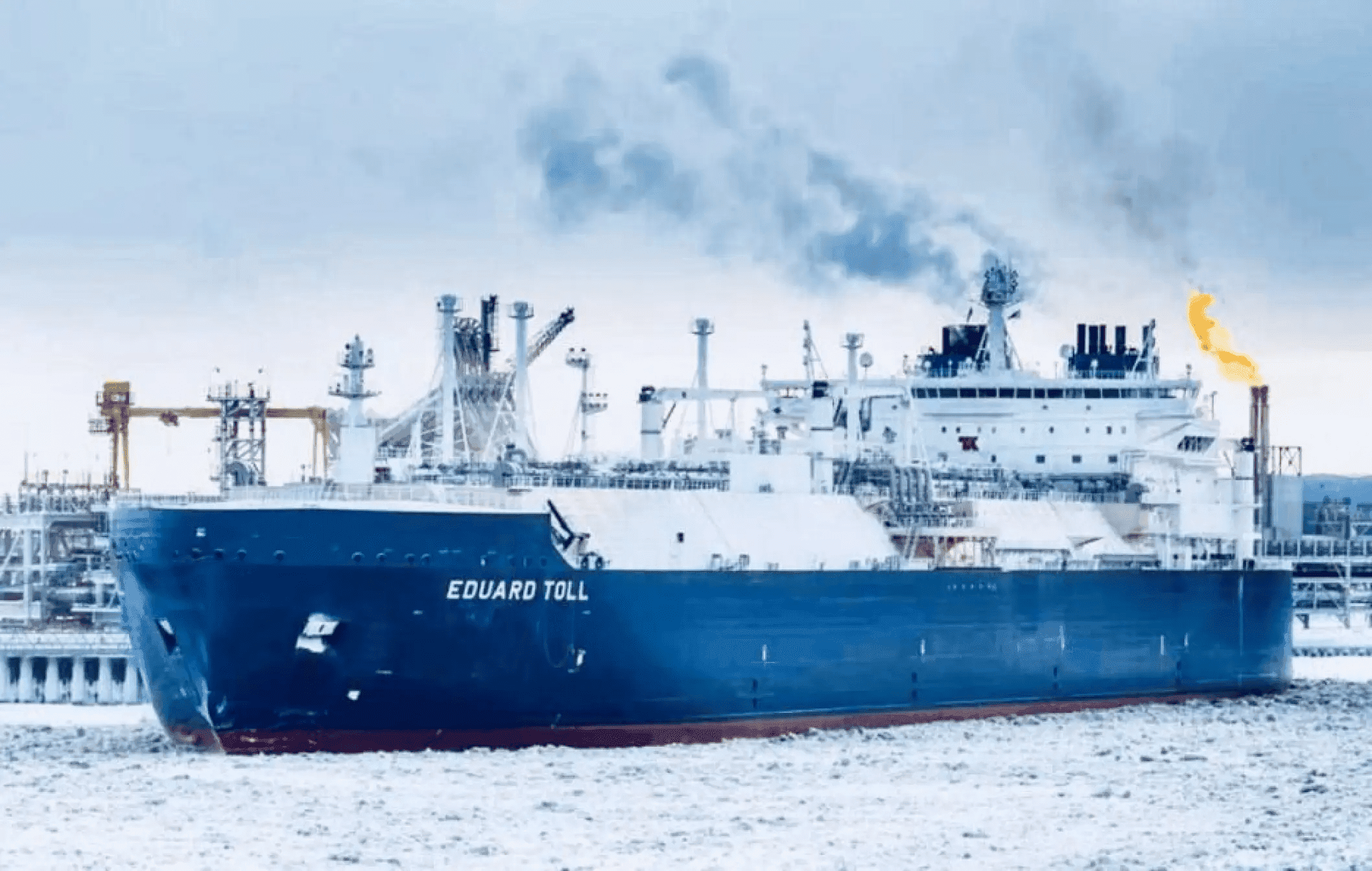
The European Union has announced a significant expansion of its sanctions against Russian liquefied natural gas (LNG), moving beyond a ban on direct imports into the EU. The new directive explicitly prohibits EU operators, including shipping companies and traders, from transporting, marketing, or trading Russian LNG anywhere in the world. This measure is primarily aimed at the Yamal LNG project, a major source of Russian gas.
This clarification closes a potential loophole that could have allowed Russian LNG to continue reaching global markets via European intermediaries, even if not directly imported into the EU. By targeting the entire supply chain, the EU seeks to maximize the financial pressure on Russia, reducing its revenue from energy exports.
For freight forwarders and logistics providers, this means a critical need to review all current and future contracts involving Russian LNG. Any European-flagged vessel, EU-owned shipping company, or EU-based trading firm will be barred from participating in the global trade of these cargoes. Non-compliance could lead to severe penalties. Forwarders must verify the origin of LNG shipments and ensure that their operations, and those of their subcontractors, do not inadvertently facilitate the movement of sanctioned Russian LNG. This will likely lead to a re-evaluation of vessel deployments and trading partnerships, potentially increasing operational complexity and compliance costs.
While the specific enforcement date is set for 2026, the announcement provides lead time for companies to adjust their operations and divest from any involvement with Russian LNG. The long-term impact is expected to reshape global LNG trade flows and increase demand for non-Russian sources, potentially affecting shipping routes and charter rates for compliant vessels.