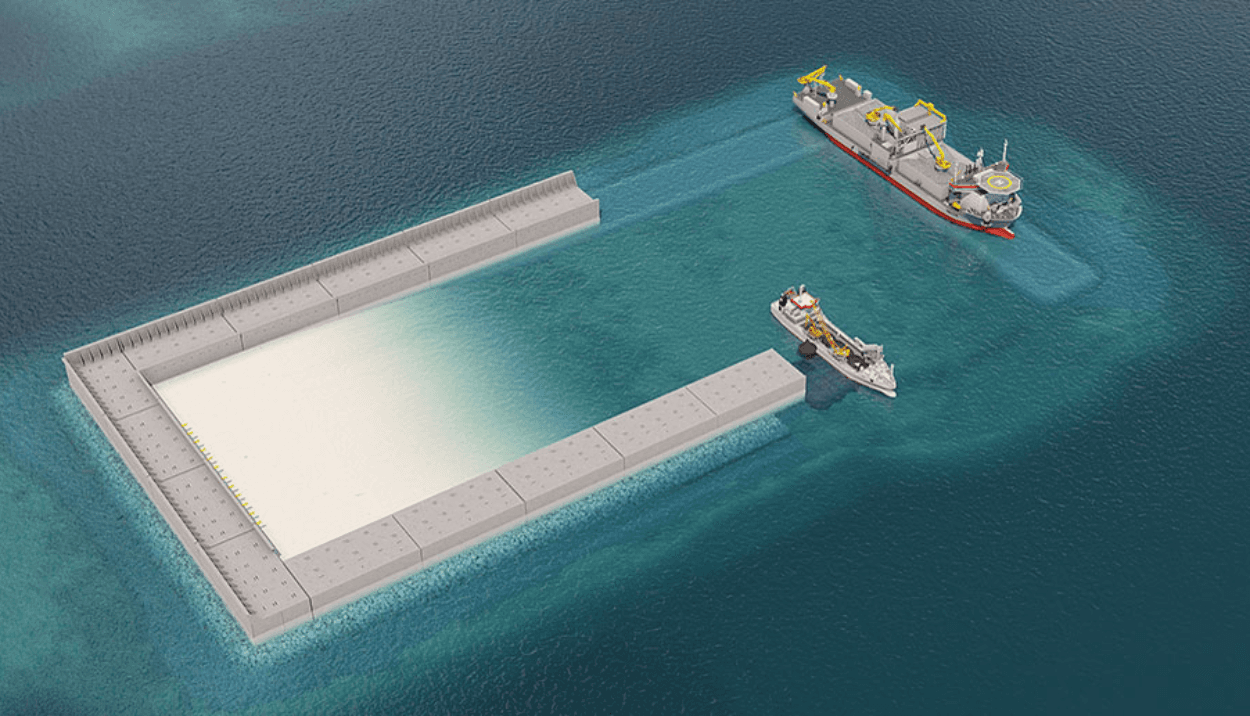
Belgium has successfully concluded the construction of 23 caissons for the Princess Elisabeth Island, a vital component of its North Sea energy infrastructure. This achievement marks a major milestone in the development of the country's offshore energy hub, which is designed to integrate various renewable energy sources.
Despite this progress, the tender for the initial wind farm plot intended for the energy island remains stalled, with no resolution expected before 2026. This delay creates a notable gap between the physical infrastructure's readiness and the actual deployment of renewable energy generation capacity.
For freight forwarders and logistics professionals, this situation highlights potential future challenges. The staggered timelines could lead to unpredictable demand for heavy-lift vessels, specialized transport, and port marshalling services required for offshore wind components. Project cargo planning may become more complex due to the uncertainty surrounding the wind farm tender, potentially affecting vessel chartering and equipment allocation. Forwarders should monitor the tender's progress closely to anticipate future logistics requirements and avoid last-minute capacity crunches.