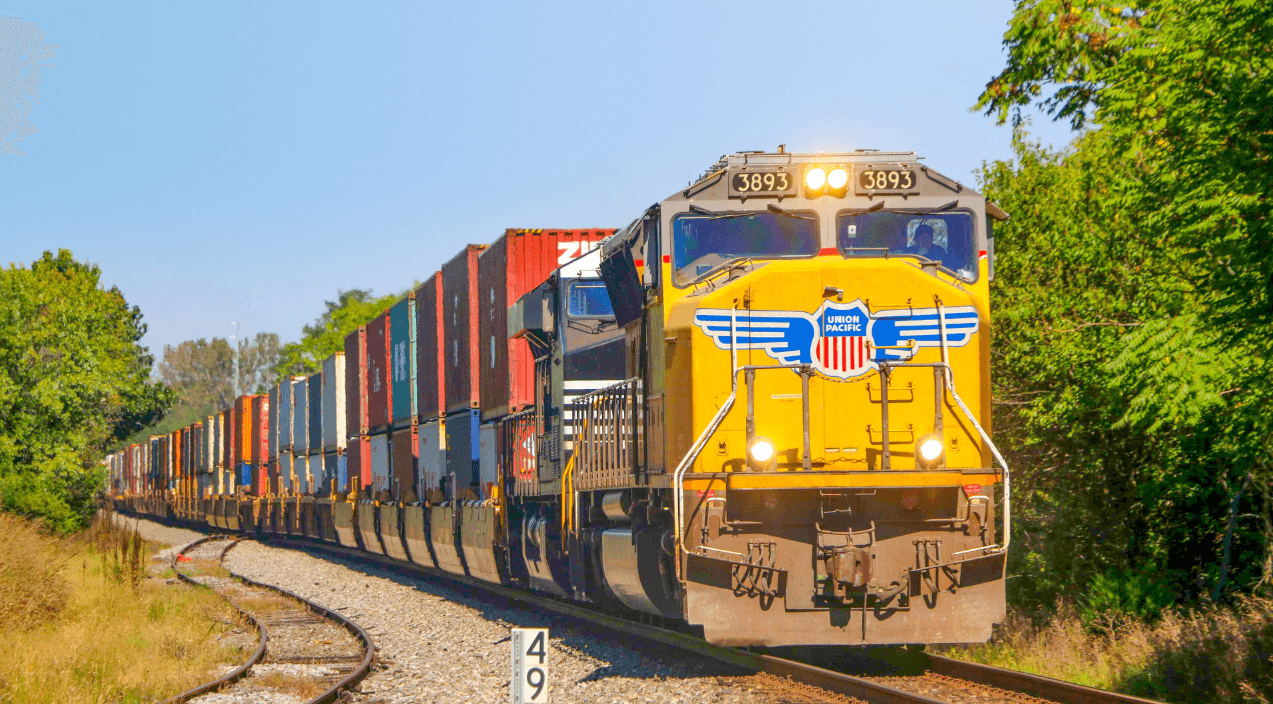
Union Pacific is actively advocating for its planned merger with Norfolk Southern, presenting the consolidation as a strategic move to enhance competition within the rail freight sector. The company suggests that combining operations would lead to a reduction in freight interchanges, thereby improving efficiency and potentially encouraging a modal shift of cargo from trucks to rail.
This advocacy occurs amidst ongoing scrutiny from regulatory bodies, which are currently assessing concerns raised by shippers. These concerns primarily revolve around the potential for the merged entity to exert undue influence on pricing, degrade service levels, and consolidate excessive market power. For freight forwarders, a merger of this scale could lead to both opportunities and challenges. While reduced interchanges might streamline certain routes and potentially lower transit times, the consolidation of market power could limit carrier options and lead to less competitive pricing, particularly for specific lanes. Forwarders would need to closely monitor service changes and renegotiate contracts to ensure favorable terms and maintain supply chain flexibility.
Regulators are expected to continue their evaluation of these shipper concerns, weighing the potential benefits of increased efficiency and competition against the risks of reduced choice and higher costs for freight customers.