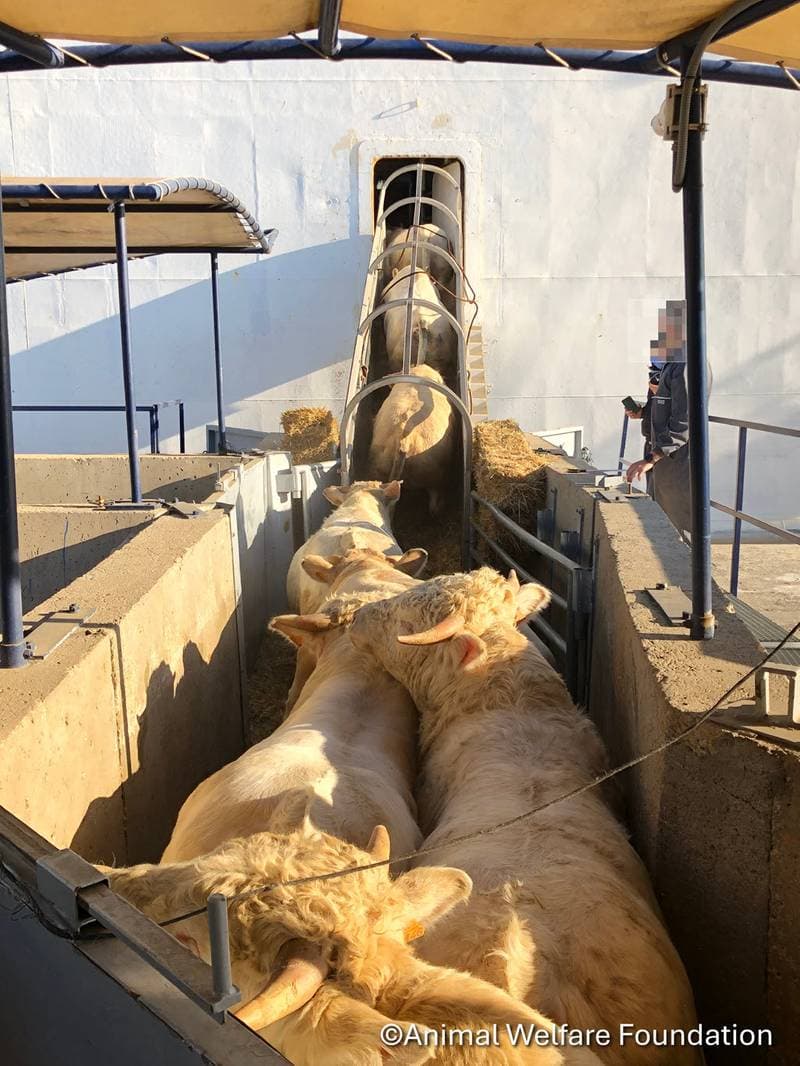
Animal welfare organizations, including Eurogroup for Animals, have formally petitioned the European Commission (EC) to cease the export of live animals from EU member states to areas in the Middle East currently experiencing conflict. The groups contend that despite ongoing hostilities in the region, EU countries continue these shipments. They specifically criticize the EC for allegedly refusing to take responsibility for the welfare implications of these transports.
This situation highlights a tension between economic interests and ethical concerns regarding animal welfare during international transport, particularly when destinations are unstable. The petition underscores a broader debate about the moral and logistical challenges of moving live cargo into high-risk areas.
For freight forwarders and logistics professionals, while directly concerning live animal transport, this issue could signal increasing scrutiny on the ethical dimensions of all cargo movements, especially to regions with geopolitical instability. It might lead to stricter regulations or public pressure on supply chains involved in sensitive shipments, potentially impacting routing, insurance, and compliance requirements for certain types of goods bound for conflict zones. Forwarders might need to conduct more thorough risk assessments for destinations with ongoing conflicts, considering not just physical security but also reputational and ethical implications.
The next steps involve the European Commission's response to the petition, which could range from initiating investigations into current practices to proposing new legislative measures or guidelines concerning live animal exports to war-affected regions.