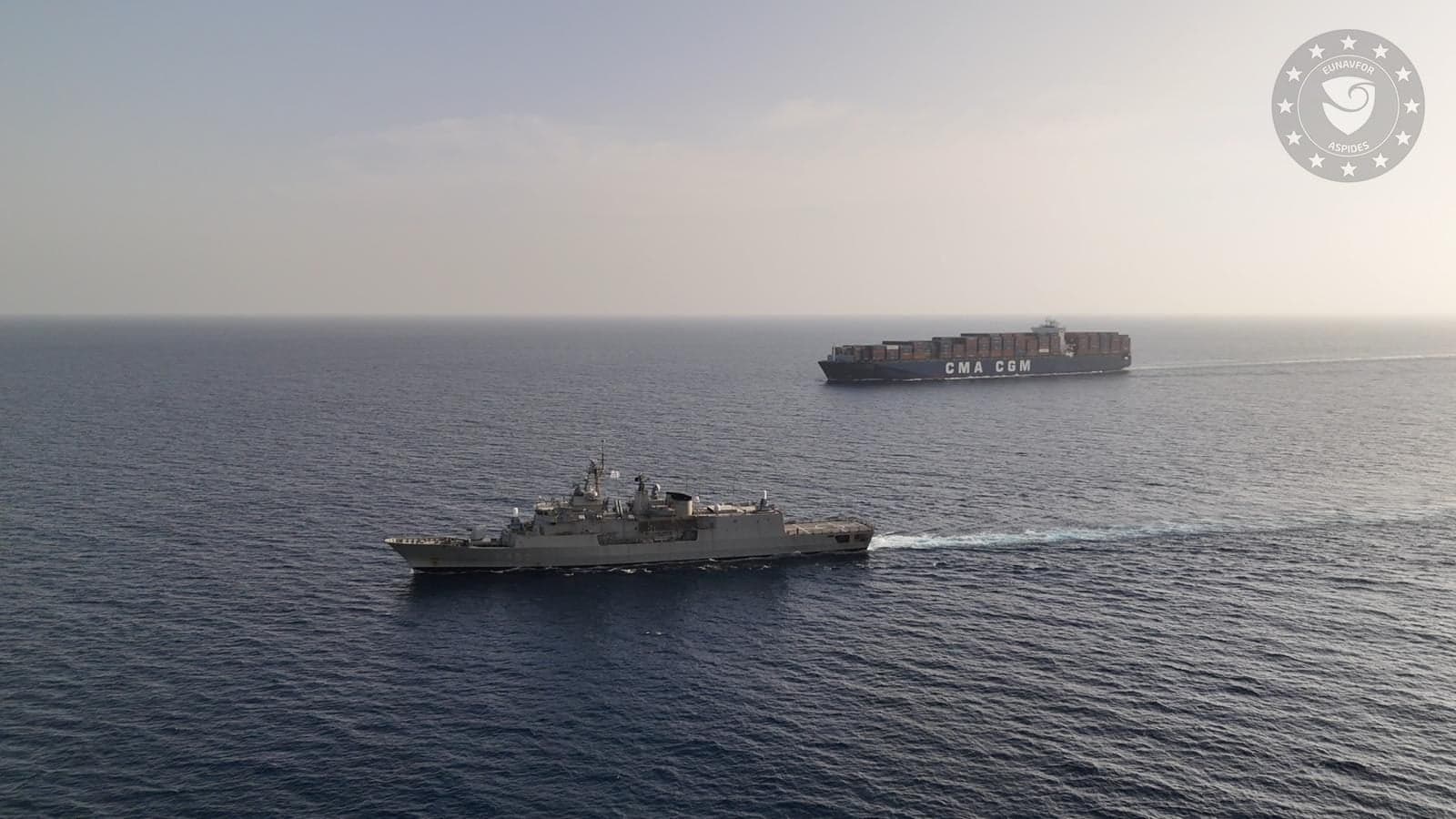
The global shipping industry is awaiting definitive clarification on the specifics of any potential agreement between the United States and Iran before vessels can confidently resume regular transits through the Strait of Hormuz. Industry representatives have indicated that recent statements from involved parties lack the necessary detail concerning critical operational aspects, such as precise transit timings and designated safe passage routes.
This situation creates significant uncertainty for maritime operations, as carriers and their customers require unambiguous guidelines to manage risks and ensure the safety of crews and cargo. Without such clarity, the industry remains hesitant to fully normalize voyages through this vital chokepoint, which is crucial for global oil and gas shipments.
For freight forwarders and operations managers, this ongoing ambiguity translates into continued elevated risk assessments and potentially higher insurance premiums for shipments traversing the region. It necessitates careful route planning, possibly involving longer diversions, and constant monitoring of geopolitical developments. The lack of predictable transit conditions can also impact schedule reliability and lead to increased operational costs.
Future developments will depend on more explicit communication from the US and Iranian authorities, outlining the practical implications of any agreement for maritime traffic in the Strait of Hormuz.