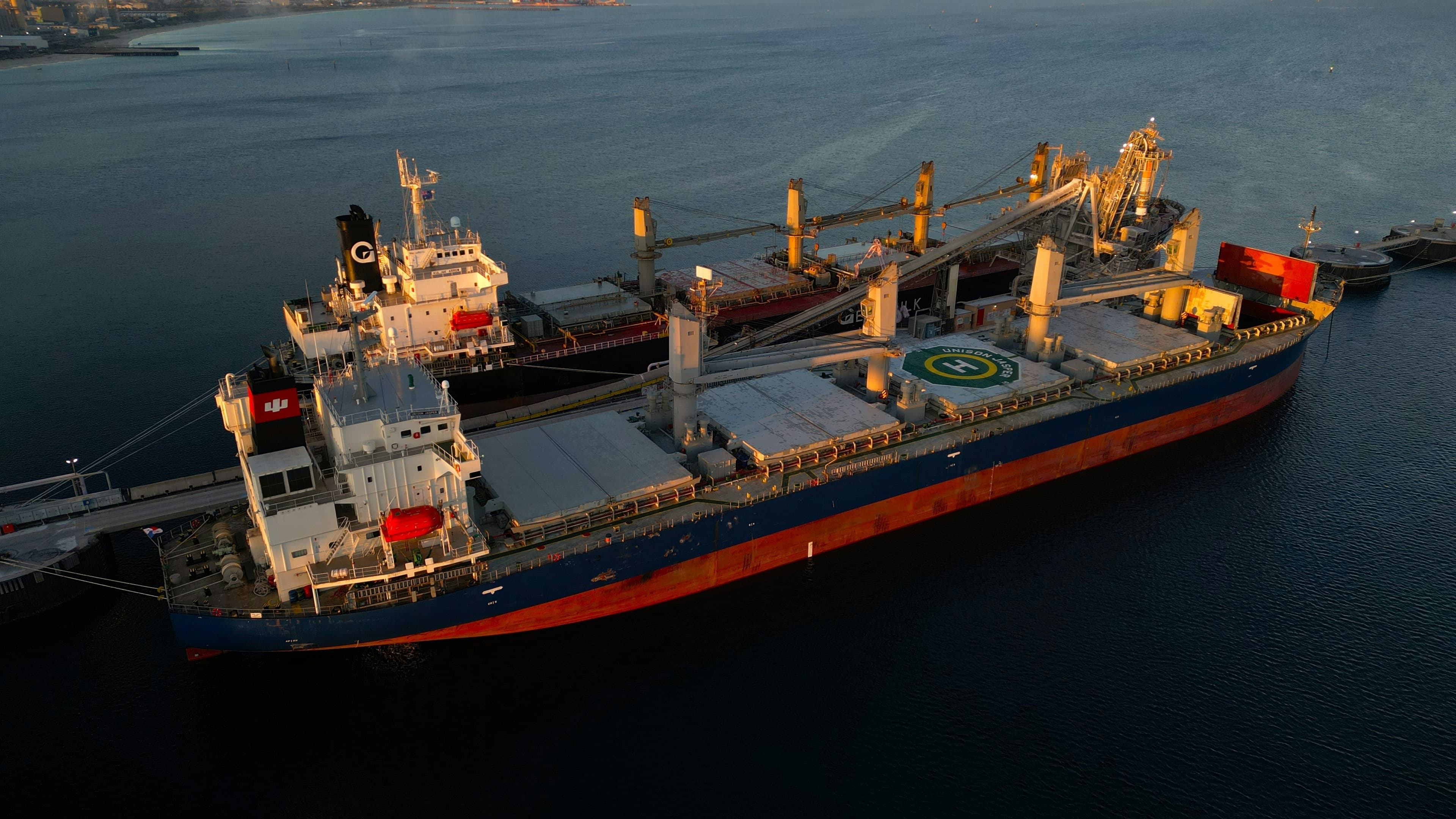
WinGD has announced the successful completion of Factory Acceptance Testing (FAT) for its pioneering X72DF-A ammonia-fueled engine. This achievement represents a crucial milestone in the development of sustainable marine propulsion technologies aimed at reducing carbon emissions within the shipping industry. The engine is slated for installation on a 210,000 DWT dry bulk carrier, currently under construction for CMB.TECH. The testing procedures were carried out by CSSC Engine Co. (CSE) in China, with representatives from Lloyd’s Register providing oversight and certification.
This development underscores the industry's accelerating shift towards alternative fuels to meet increasingly stringent environmental regulations and decarbonization targets. Ammonia, as a zero-carbon fuel, offers a promising pathway for maritime shipping to reduce its greenhouse gas footprint, although challenges related to its handling, storage, and safety still need to be addressed.
For freight forwarders and shippers, the introduction of commercially viable ammonia-fueled engines signals a future where cleaner shipping options will become more prevalent. While direct impacts on immediate freight rates or capacity are not expected, this advancement contributes to the long-term sustainability of supply chains. As more vessels adopt such technologies, it could influence carrier selection for environmentally conscious shippers and potentially lead to new surcharges or incentives related to green fuel usage in the coming years. This also supports the broader industry goal of achieving net-zero emissions.
Further deployments of these engines are anticipated as the maritime sector continues its transition away from traditional fossil fuels, with more vessels likely to be ordered or retrofitted with ammonia-capable propulsion systems.