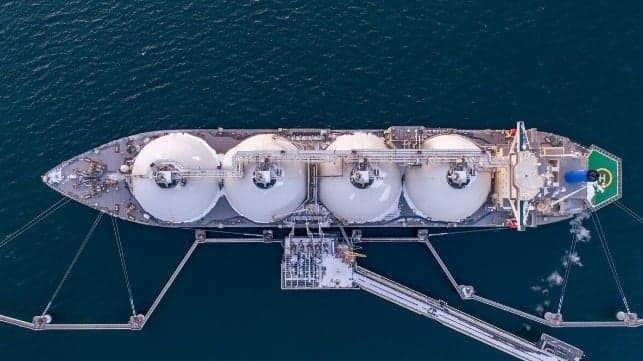
Diesel-electric LNG carriers are reportedly facing significant challenges in adhering to the European Union's Emissions Trading System (EU ETS) regulations. The primary issue stems from the methane slip associated with these vessels, which refers to the unburnt methane released into the atmosphere. Current EU ETS rules do not fully account for this methane slip, placing these carriers at a disadvantage compared to other vessel types or propulsion systems.
For freight forwarders and operations managers, this development could translate into higher shipping costs for LNG cargo destined for or transiting through EU ports. Carriers operating diesel-electric LNG vessels may pass on the increased compliance expenses, impacting overall supply chain budgets. It also highlights a potential need for shippers to consider the propulsion type of vessels used for their LNG shipments when evaluating total landed costs and environmental footprints.
Moving forward, there may be pressure on EU regulators to refine the ETS framework to better address methane slip from LNG carriers. Vessel operators might also explore technological upgrades or operational adjustments to mitigate methane emissions and improve compliance.