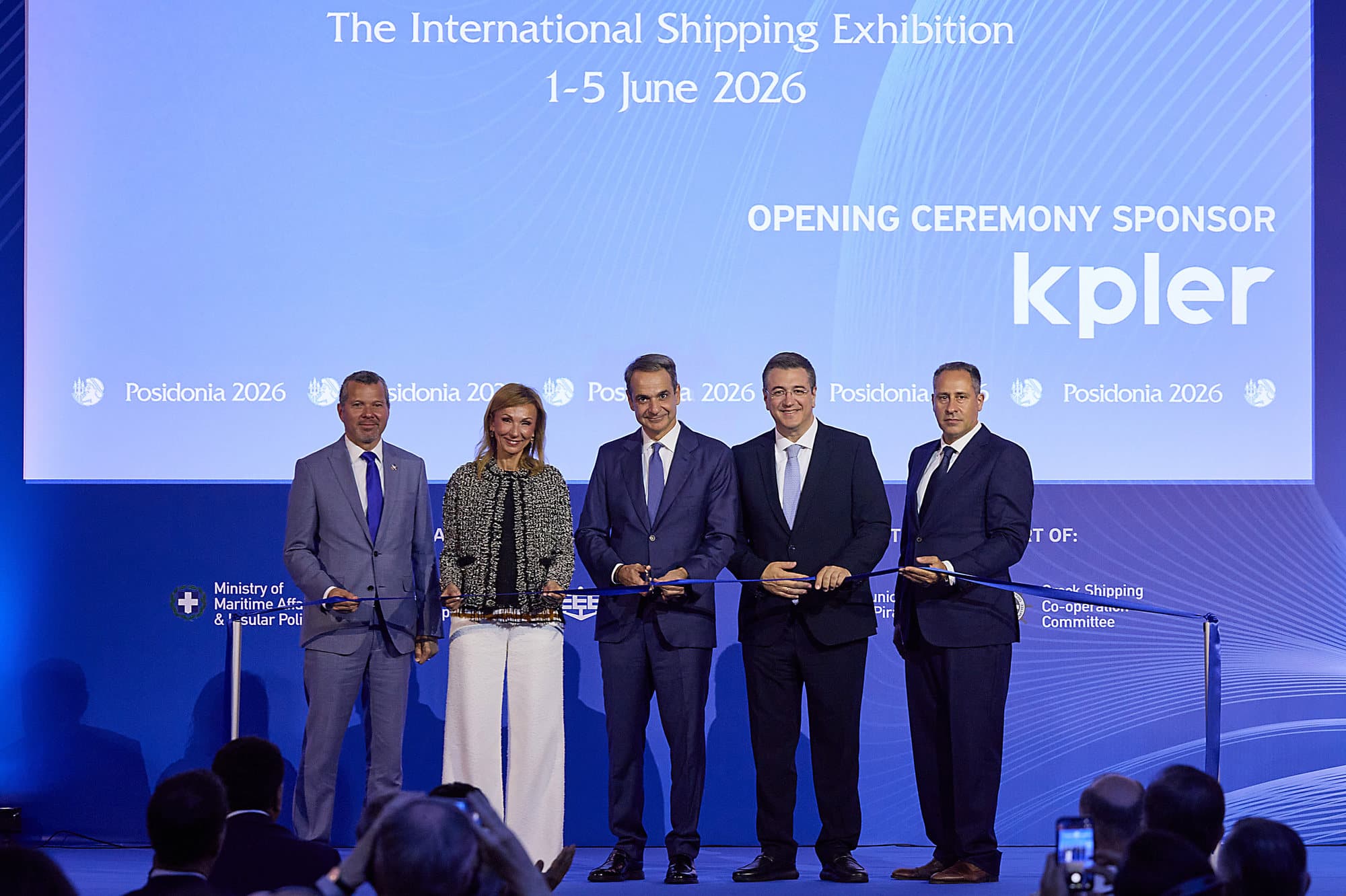
Posidonia 2026, a major maritime event, has officially commenced in Athens, Greece. The opening ceremony brought together over 800 industry figures, who collectively acknowledged the current geopolitical landscape as one of the most complex in recent maritime history. Discussions focused heavily on the prolonged disruptions affecting key waterways, specifically the Strait of Hormuz and the Red Sea.
These ongoing tensions, particularly in the Strait of Hormuz and the Red Sea, are creating significant challenges for global shipping and supply chains. The rerouting of vessels to avoid conflict zones leads to longer transit times and increased operational costs. This situation is compelling the industry to reassess its resilience and adapt to a volatile environment.
For freight forwarders and operations managers, these disruptions translate directly into higher freight rates, extended lead times, and increased uncertainty in scheduling. Capacity management becomes more complex due to vessels taking longer routes, potentially impacting equipment availability. Forwarders must actively communicate with shippers about potential delays and surcharges, and explore alternative routing options where feasible. The instability also necessitates a closer watch on war risk premiums and insurance costs.
While the article does not explicitly state what's next, the discussions at Posidonia likely aim to foster collaboration and innovation within the maritime sector to navigate these persistent challenges. Continued monitoring of geopolitical developments and their impact on critical maritime chokepoints will remain paramount for all stakeholders.