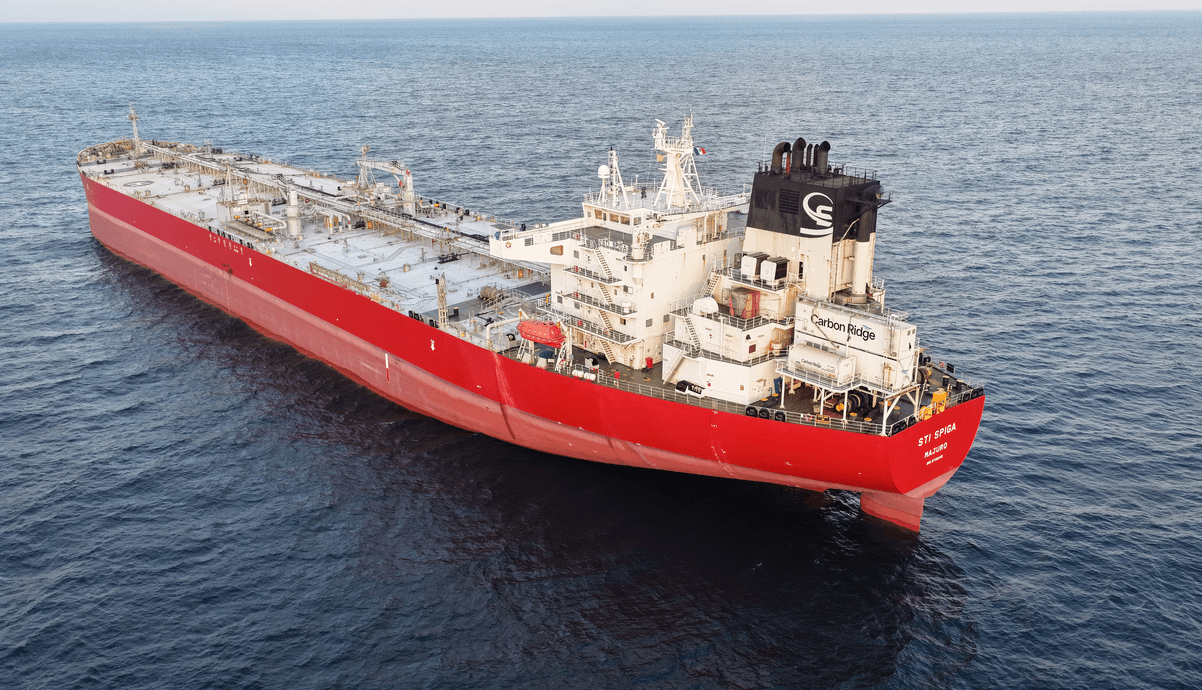
Carbon Ridge has successfully completed a DNV-reviewed trial of its onboard carbon capture system (OCCS) on the Scorpio Tankers vessel, STISpiga. The system achieved a 98% carbon dioxide capture rate, marking a significant milestone in the development of maritime decarbonization technologies. This trial offers crucial data on the effectiveness of centrifugal carbon capture, a technology designed to reduce emissions directly from ship exhaust.
This development comes as the global shipping industry is under growing pressure to reduce its carbon footprint. Regulatory bodies are implementing stricter environmental standards and carbon pricing mechanisms, such as the EU ETS, which will increase operational costs for non-compliant vessels. The ability to capture CO2 onboard could offer a viable pathway for existing fleets to meet these new requirements without extensive vessel modifications or reliance on alternative fuels that are not yet widely available.
For freight forwarders and operations managers, the widespread adoption of such technologies could lead to more compliant and potentially more cost-effective shipping options in the long term. Vessels equipped with OCCS might incur lower carbon taxes or penalties, which could translate into more stable or even reduced freight rates on certain routes. However, initial implementation costs and operational complexities of these systems could also influence pricing and vessel availability. Forwarders should monitor the commercial rollout and scalability of these solutions to understand their future impact on carrier selection and supply chain planning.
While the article does not specify next steps, successful trials like this typically precede further commercialization efforts, including scaling up the technology for broader fleet integration and securing more regulatory approvals.