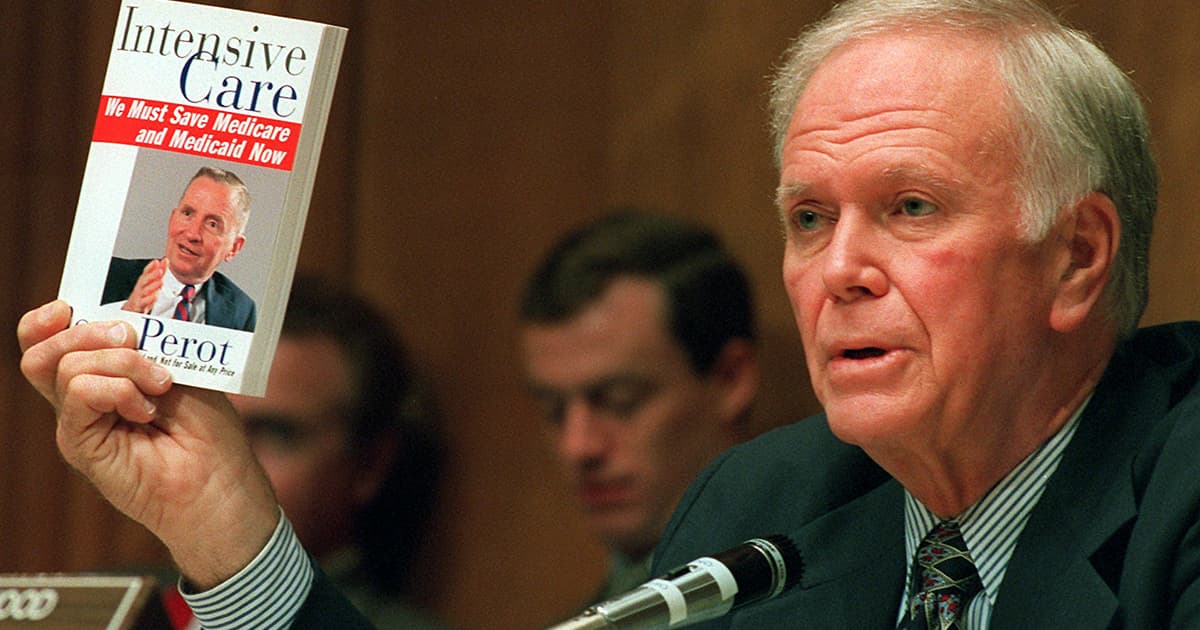
Former U.S. Senator Bob Packwood, a prominent Republican, has passed away. He was a principal proponent of the Motor Carrier Act of 1980, a landmark piece of legislation that fundamentally reshaped the American trucking industry. This act significantly reduced federal government control over interstate trucking, moving away from a highly regulated system.
Prior to the 1980 Act, the trucking industry operated under strict regulations regarding routes, rates, and market entry, often leading to inefficiencies and limited competition. Packwood's efforts aimed to dismantle these barriers, believing that deregulation would spur innovation and lower costs for consumers and businesses.
For freight forwarders and logistics professionals, the Motor Carrier Act of 1980 had a profound and lasting impact. It led to a more competitive market, increased capacity, and greater flexibility in pricing and service offerings. This shift allowed forwarders to negotiate better rates, access a wider array of carriers, and design more efficient supply chain solutions. The deregulation fostered the growth of third-party logistics (3PL) providers and enabled more dynamic routing and scheduling, directly benefiting shippers through improved service and cost efficiencies. The legacy of this act continues to influence the operational landscape of road freight in the U.S. today.