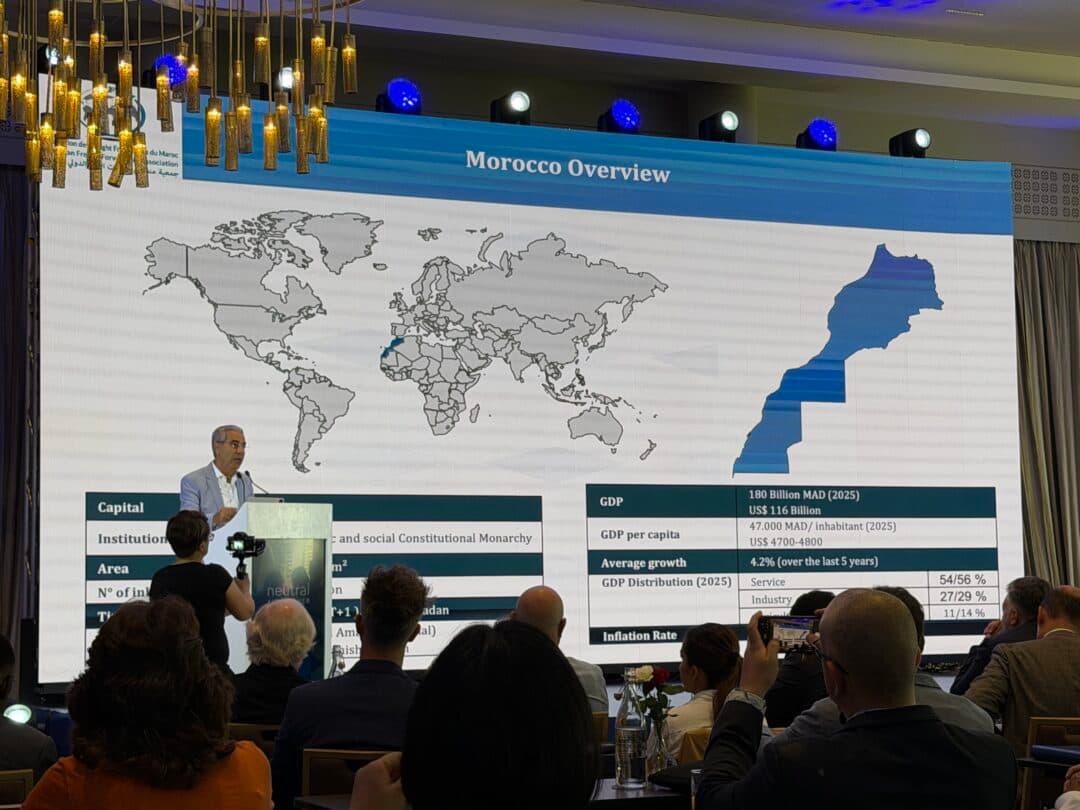
Morocco is emerging as a significant player in the global logistics landscape, primarily due to its strategic geographical location. The country acts as a critical cross-continental node, effectively connecting Europe, West Africa, and major Atlantic shipping lanes. This positioning allows Morocco to facilitate efficient hub-and-spoke freight models and enhance multimodal routing capabilities.
Its value proposition is rooted in functioning as a proximity-based gateway to Southern Europe while simultaneously bolstering trade corridors directed towards Africa. This dual role makes Morocco an attractive option for supply chains seeking to optimize transit times and reduce costs for shipments moving between these key regions.
For freight forwarders and operations managers, Morocco's growing prominence means potential new routing options and improved transit times for cargo moving between Europe, West Africa, and the Americas. The development of its logistics infrastructure could lead to increased capacity and more competitive rates on these specific trade lanes. Forwarders should consider Morocco as a transhipment or distribution hub, especially for goods destined for landlocked African nations or those requiring efficient sea-air or sea-road connections to Southern Europe.