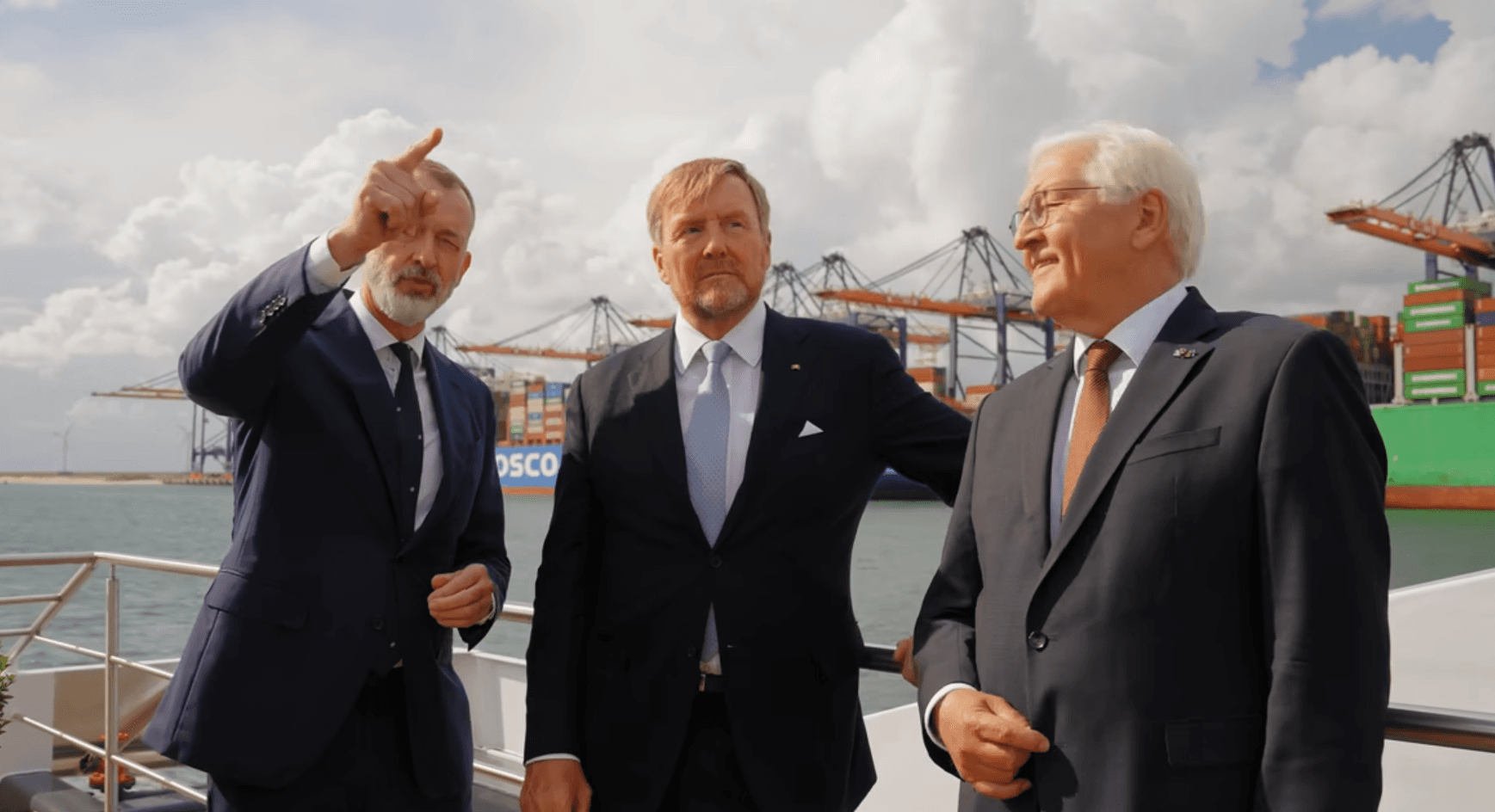
On June 10, the Port of Rotterdam served as a focal point for Dutch-German collaboration during German Federal President Frank-Walter Steinmeier's state visit to the Netherlands, accompanied by King Willem-Alexander. The visit to Maasvlakte underscored the significance of port infrastructure, carbon transport, and strategic logistics in bilateral relations. A key highlight was the discussion surrounding a planned cross-border CO2 corridor, which aims to transport captured carbon dioxide from industrial emitters in Germany to storage facilities in the Netherlands.
This initiative is part of broader efforts to decarbonize heavy industries in both countries. The Port of Rotterdam is actively developing infrastructure for carbon capture, utilization, and storage (CCUS) projects, positioning itself as a hub for sustainable industrial transitions. The collaboration signifies a shared commitment to environmental goals and economic integration between Germany and the Netherlands.
For freight forwarders and logistics professionals, this development signals a growing focus on green logistics and the potential for new infrastructure-dependent supply chains. While not directly impacting immediate freight rates or capacity, it highlights long-term strategic shifts in industrial logistics, particularly for sectors involved in energy transition and heavy industry. Forwarders may need to consider future requirements for handling specialized cargo related to CCUS projects and potentially new intermodal connections supporting these corridors.
The ongoing cooperation is expected to strengthen the economic ties between the two nations, potentially leading to further joint ventures in sustainable logistics and energy infrastructure. The development of such corridors could also influence future port investment and operational priorities in the region.