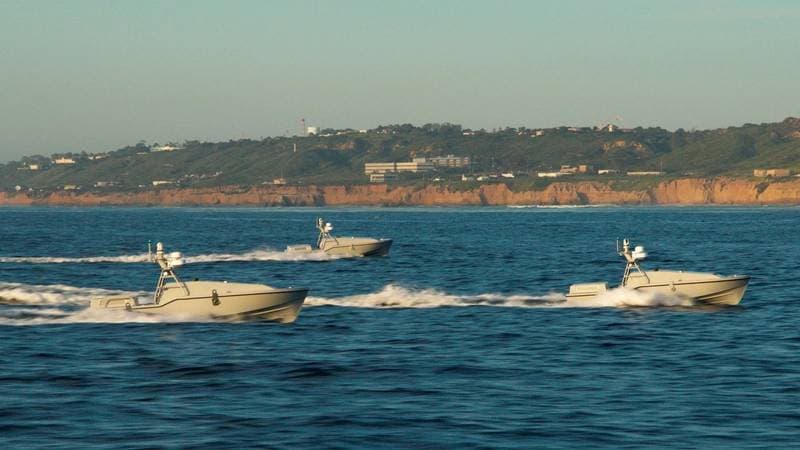
Ports are increasingly adopting autonomous vehicles to bolster their security measures against a range of maritime threats. These advanced systems provide sophisticated defensive capabilities, particularly in safeguarding critical infrastructure from potential attacks, including those originating from other autonomous or uncrewed vehicles. This technological shift, however, introduces a dual challenge: while solving existing security vulnerabilities, it simultaneously creates new operational and security complexities that port authorities and operators must navigate.
For freight forwarders and operations managers, the deployment of autonomous security vehicles at ports could lead to more secure port environments, potentially reducing risks associated with cargo theft or unauthorized access. However, it also implies an evolving security landscape where new protocols and potential restrictions on vessel movements or access might emerge. Understanding these changes will be crucial for maintaining efficient cargo flow and ensuring compliance with updated port security regulations.