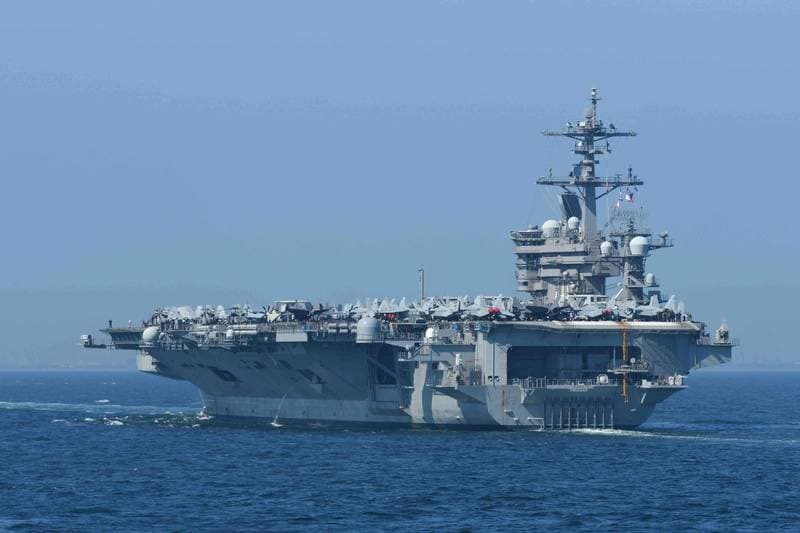
The United States is reportedly planning to substantially cut its military support for European allies, particularly resources designated for crisis response. According to German media, these reductions would encompass critical assets like fighter jets, naval vessels, and aerial refueling capabilities. This move signals a potential shift in US defense posture towards Europe and could lead to increased pressure on European NATO members to bolster their own military readiness.
For freight forwarders and supply chain professionals, while not directly impacting commercial shipping rates or capacity, such geopolitical shifts can have indirect consequences. A perceived weakening of collective security could lead to increased instability in certain regions, potentially affecting trade routes or requiring heightened security considerations for cargo movements. Changes in military logistics and deployments might also free up or reallocate certain transport assets, though this is unlikely to directly affect commercial freight. Forwarders should monitor the broader geopolitical landscape for any ripple effects on trade policies, customs procedures, or regional stability that could influence supply chain resilience.