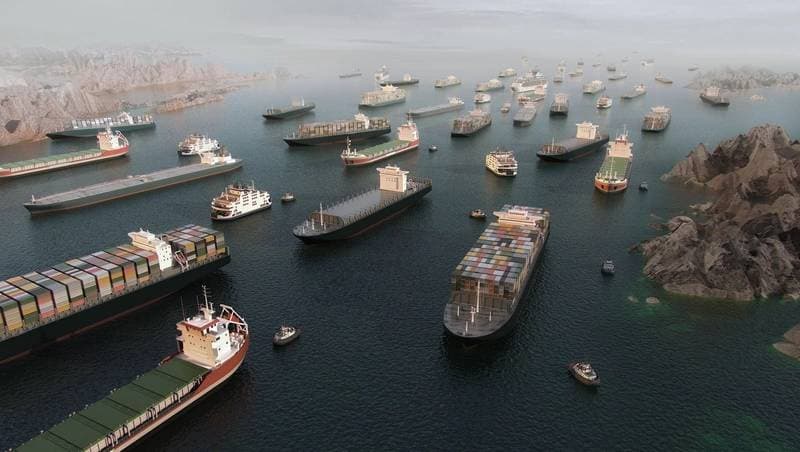
The Strait of Hormuz has been effectively closed for three months, leading to a significant reduction in global seaborne tanker volumes and trapping hundreds of ships within the Persian Gulf. This prolonged disruption has created substantial challenges for the oil shipping industry, impacting supply chains and potentially driving up costs.
For freight forwarders and operations managers, this situation means immediate routing challenges for oil shipments, potential delays, and increased insurance premiums for any vessels operating near the affected area. The reduced availability of tankers due to vessels being trapped could also lead to higher charter rates once the strait reopens and demand for oil replenishment surges. Shippers should anticipate longer lead times and higher transportation costs for crude oil and refined products.
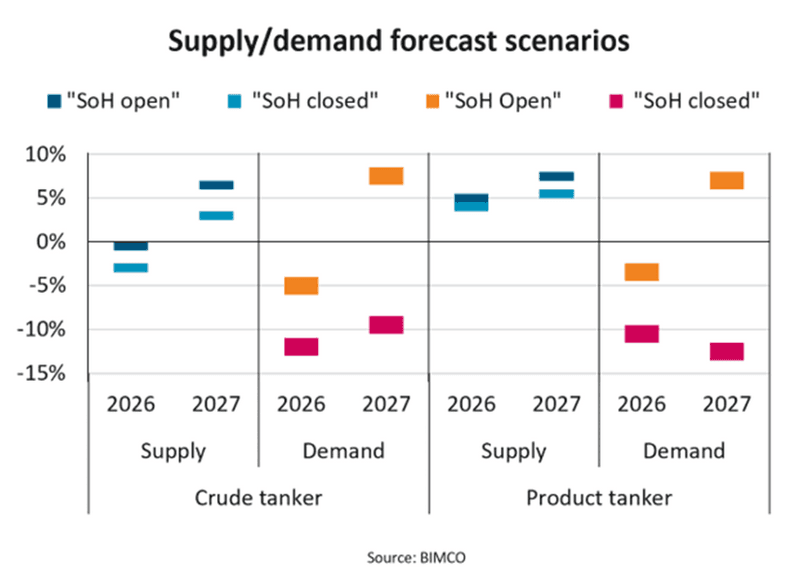
Looking ahead, BIMCO suggests that once the conflict subsides and the Strait of Hormuz reopens, there will likely be a strong demand for tankers to rebuild depleted oil stocks. This post-conflict recovery could provide a significant boost to the tanker market, potentially leading to a period of elevated freight rates as supply chains normalize and inventories are replenished.