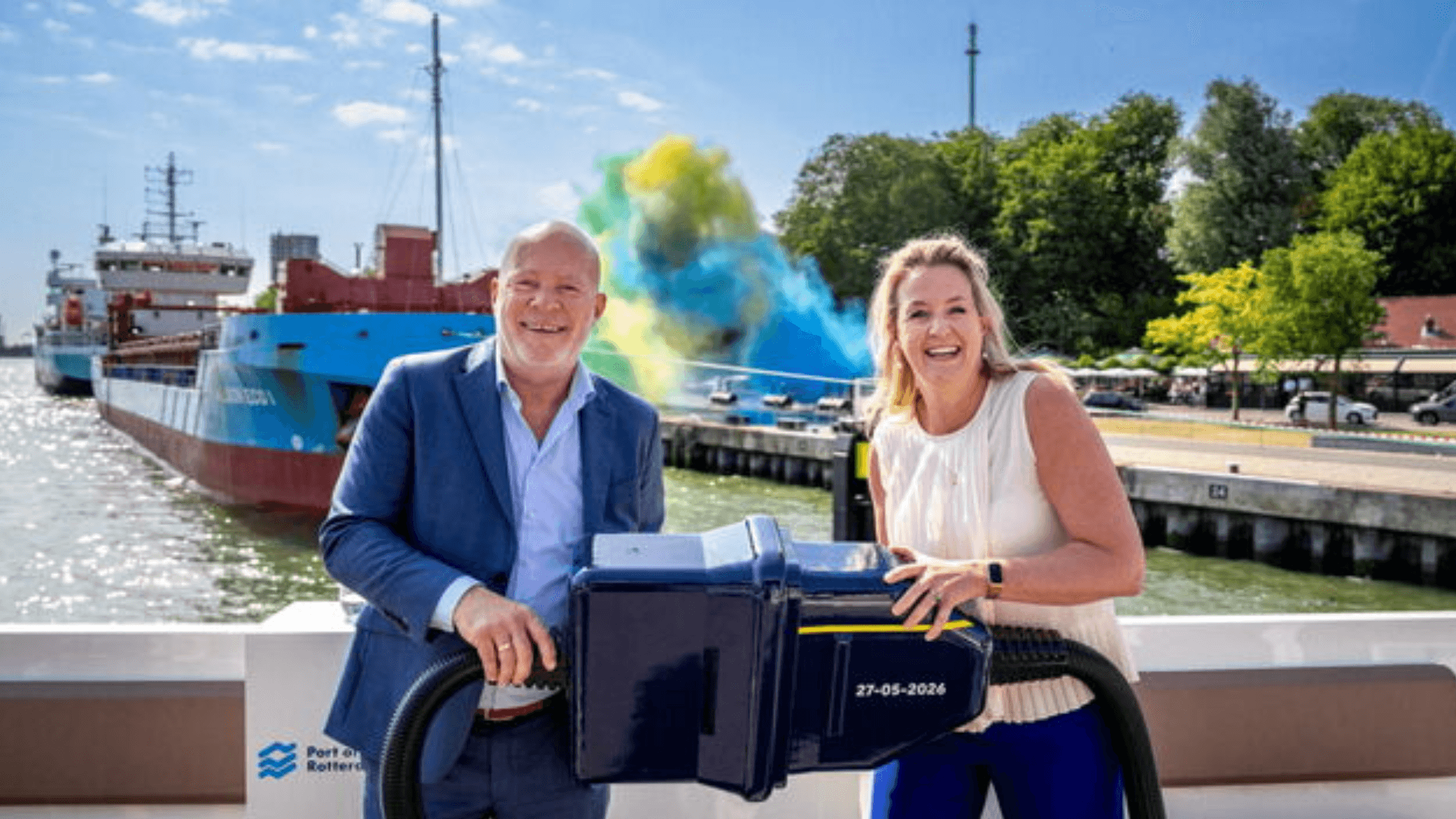
The Port of Rotterdam has announced an expansion of its shore power facilities at the Parkkade terminal. This upgrade will allow more vessels to connect to the land-based electricity grid while docked, thereby reducing their reliance on onboard diesel generators. The primary benefits include a significant decrease in harmful emissions, such as nitrogen oxides, sulfur oxides, and particulate matter, as well as a reduction in noise pollution.
This development is part of a broader strategy by the Port of Rotterdam and local authorities, including Robert Simons, to enhance sustainability and decarbonize port operations. The project ingeniously reuses existing infrastructure, specifically the Maastunnel, to facilitate the necessary electrical connections. This approach helps mitigate challenges posed by current grid congestion in the Netherlands, ensuring that the expanded shore power capacity can be effectively integrated without overburdening the national electricity network.
For freight forwarders and shippers, the expansion of shore power at Rotterdam's Parkkade signifies a commitment to greener logistics. While it may not directly impact freight rates or capacity in the short term, it contributes to the overall sustainability profile of supply chains utilizing the port. Forwarders can highlight this as an environmental benefit to clients, especially those with stringent ESG requirements. It also indicates a trend towards more environmentally friendly port calls, which could become a factor in carrier selection and route planning as decarbonization efforts intensify across the maritime industry.