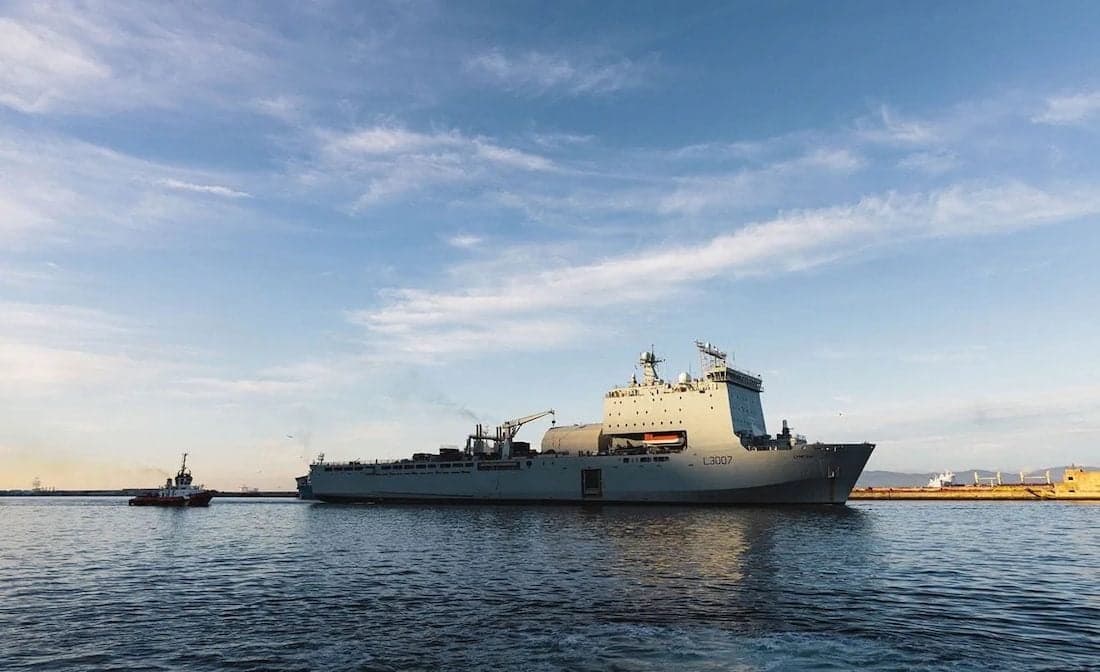
The United Kingdom's Royal Fleet Auxiliary (RFA) vessel Lyme Bay, a mine-hunting mothership, has departed Gibraltar. This movement indicates a potential deployment to the Strait of Hormuz, a critical chokepoint for global oil and gas shipments. The vessel's mission would likely involve supporting a multinational effort to enhance maritime security in the region.
This deployment comes amid ongoing geopolitical tensions in the Middle East, particularly concerning the safety of commercial shipping in key maritime corridors. The Strait of Hormuz has historically been a flashpoint, with past incidents involving vessel seizures and attacks raising concerns about freedom of navigation.
For freight forwarders and shippers, increased naval presence in the Strait of Hormuz could be a double-edged sword. While it aims to deter threats and ensure safe passage, the heightened military activity itself can contribute to elevated war risk premiums for cargo insurance. Forwarders should monitor the situation closely for any changes in regional security assessments, which could influence routing decisions or necessitate specific insurance coverage for shipments transiting the area. The stability of this waterway is paramount for global energy and trade flows.
No specific timeline or confirmed operational details for the RFA Lyme Bay's mission in the Strait of Hormuz were provided in the source.