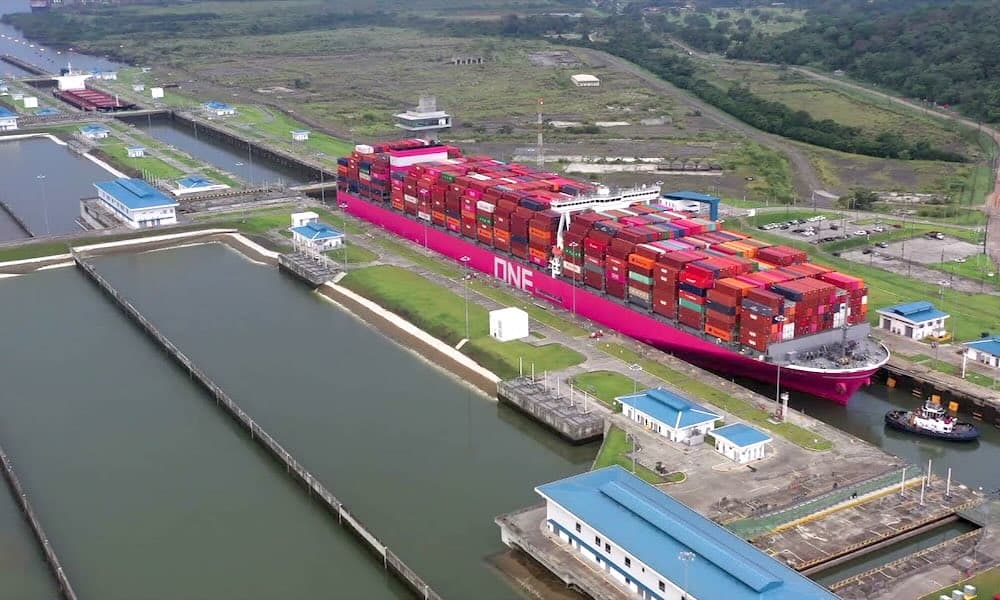
Disruptions occurring in the Strait of Hormuz are contributing to a notable increase in vessel transits through the Panama Canal. This surge in traffic has brought the canal close to its maximum operational capacity. The primary driver for this heightened activity is a substantial rise in energy exports from the United States, which are predominantly destined for Asian markets.
Analysis from BIMCO indicates that the average daily number of vessel transits through the Panama Canal has increased by 8% year-on-year during 2026. This sustained growth highlights a shift in global shipping patterns as carriers seek alternative routes to avoid the volatile Strait of Hormuz.
For freight forwarders and operations managers, this development suggests potential for increased transit times and higher booking competition for Panama Canal slots. While the canal is currently managing the increased volume, continued pressure could lead to congestion or further restrictions, impacting schedule reliability and potentially driving up costs for shipments utilizing this critical waterway. Forwarders should monitor canal advisories closely and consider alternative routing options or booking well in advance for time-sensitive cargo.