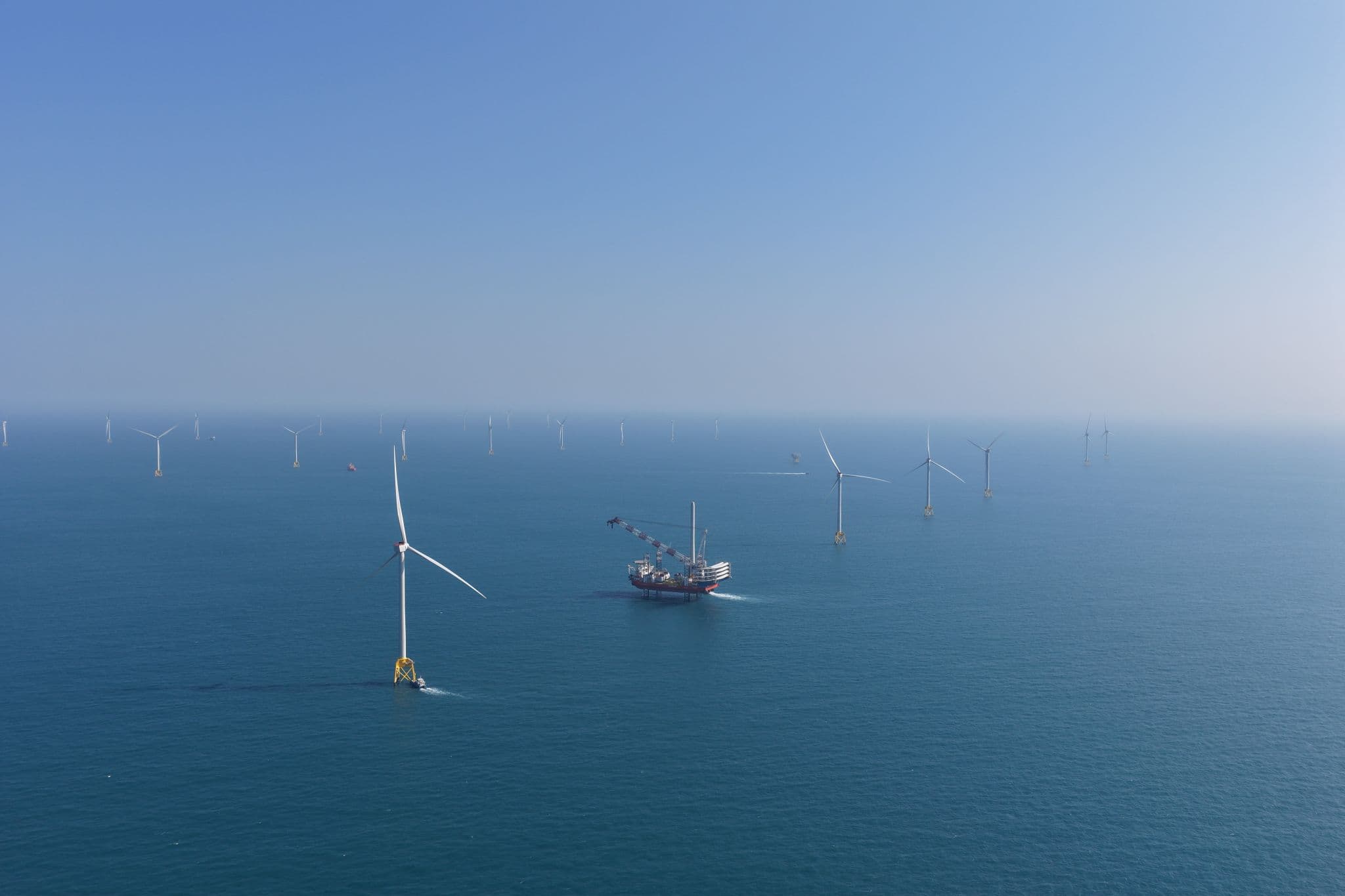
A new market analysis highlights significant challenges within the offshore wind supply chain, primarily stemming from a shortage of specialized installation vessels and escalating costs associated with subsea cables. While current vessel availability in Europe is deemed manageable, the industry's move towards deploying larger, next-generation wind turbines is anticipated to create substantial bottlenecks.
This shift requires more advanced and larger vessels for transportation and installation, which are currently in limited supply globally. The report underscores that the existing fleet of vessels may not be adequate to handle the scale and weight of these new, massive turbines, leading to potential delays in project execution.
For freight forwarders and project cargo specialists, this scenario implies several critical impacts. The scarcity of suitable vessels could lead to increased charter rates and longer lead times for securing necessary transport. Forwarders will need to plan well in advance and potentially explore alternative solutions or routes, although options for oversized components are inherently limited. Furthermore, the rising cost of subsea cables will directly affect project budgets, which could translate into higher overall project costs for developers, potentially influencing future investment decisions and the pace of new project awards. Managing these inflationary pressures and logistical constraints will be crucial for maintaining project viability and delivery schedules.
Looking ahead, the industry may see increased investment in new vessel construction to meet future demand, but such developments typically have long lead times. In the interim, optimizing existing vessel utilization and exploring innovative installation methods will be key to mitigating these supply chain pressures.