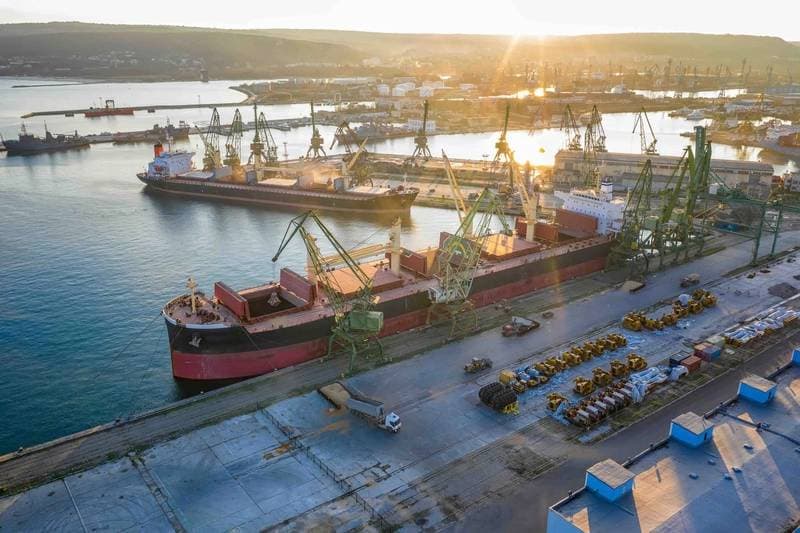
The Freight Forward Agreement (FFA) market is currently undergoing a significant transformation, moving into a more mature phase characterized by enhanced liquidity and increasingly sophisticated financial instruments. This evolution was a key topic at a recent Baltic Exchange panel, where industry experts, including shipowners, brokers, and fund managers, discussed the sector's development.
Despite these advancements, the adoption of FFAs across the shipping industry remains uneven. A core challenge identified is the inherent conservatism within the sector, which often hinders the broader embrace of new financial tools. This reluctance persists even as the market demonstrates greater depth and accessibility for hedging and risk management.
For freight forwarders and operations managers, the increased maturity and liquidity in the FFA market could offer more robust options for hedging against volatile freight rates. This means potentially better tools for managing financial risks associated with future shipping costs, allowing for more predictable budgeting and pricing for clients. However, the uneven adoption suggests that while some carriers and larger players might be actively using FFAs, many smaller or more traditional operators may not, which could lead to disparities in market exposure and competitive advantage. Forwarders should assess their own risk management strategies and consider how FFAs could be integrated to mitigate exposure to market fluctuations.