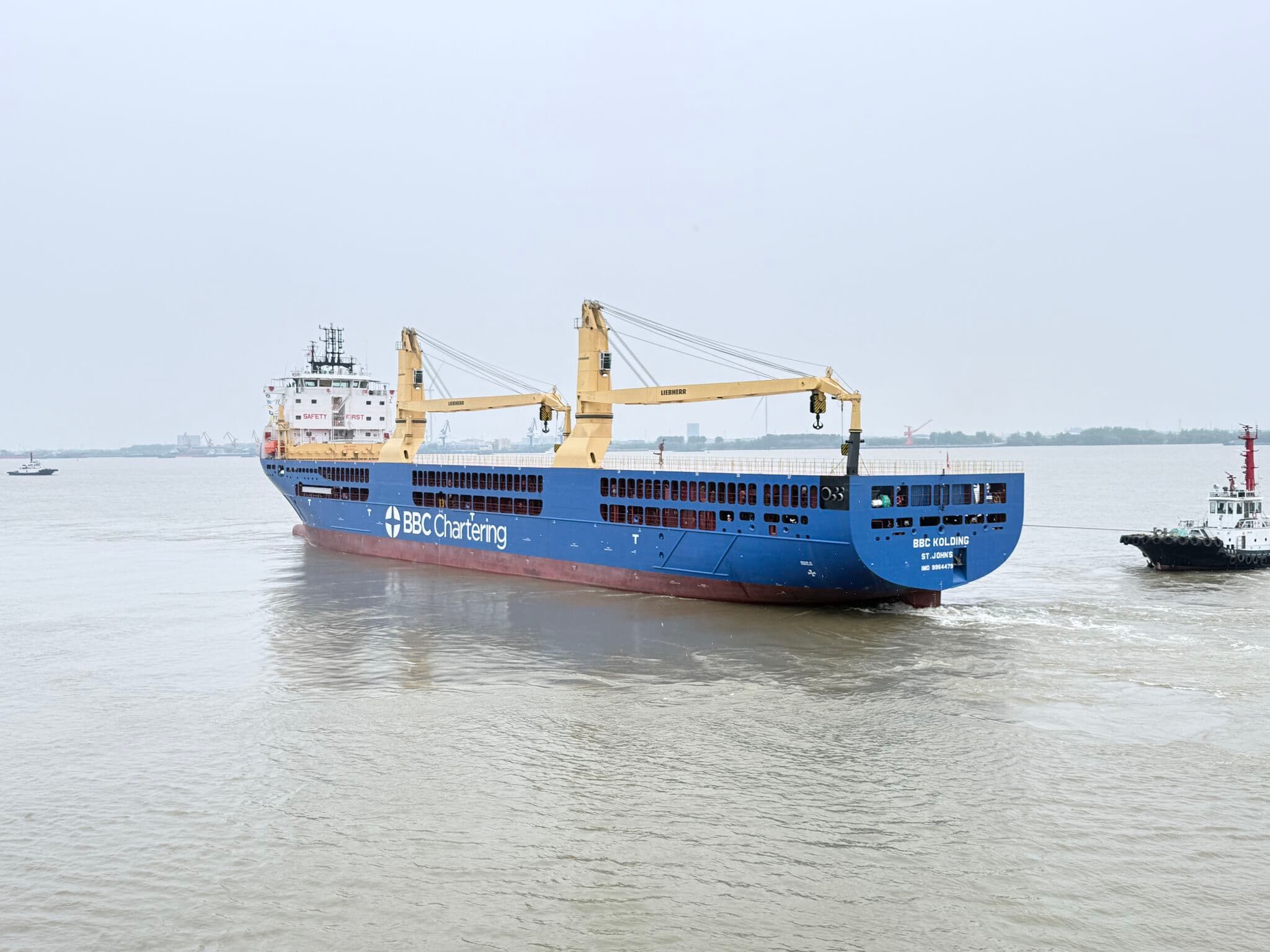
The multipurpose (MPP) shipping market is currently experiencing stable charter rates, even in the face of considerable geopolitical instability, notably the effective closure of the Strait of Hormuz. This critical maritime choke point's disruption would typically lead to significant rate volatility; however, the MPP sector has maintained equilibrium.
This unexpected stability can be attributed to a balanced interplay between vessel supply and cargo demand. Unlike other shipping segments that might see immediate spikes or drops, the specialized nature of MPP vessels and their project cargo focus means that demand often remains consistent for specific, long-term projects. The current geopolitical landscape, while impactful, has not yet fundamentally altered the underlying project pipelines that drive MPP demand.
For freight forwarders and operations managers, this situation means that while general cargo and container shipping might face rerouting challenges and potential rate increases due to the Hormuz situation, the breakbulk and project cargo segment served by MPPs is less affected in terms of immediate pricing. Shippers with project cargo requiring MPP vessels can expect continued rate predictability, reducing the immediate need to factor in significant geopolitical surcharges related to this specific disruption. However, it is crucial to monitor the long-term implications of sustained regional tension, as prolonged closures or escalating conflicts could eventually impact project timelines and, subsequently, vessel demand and rates.