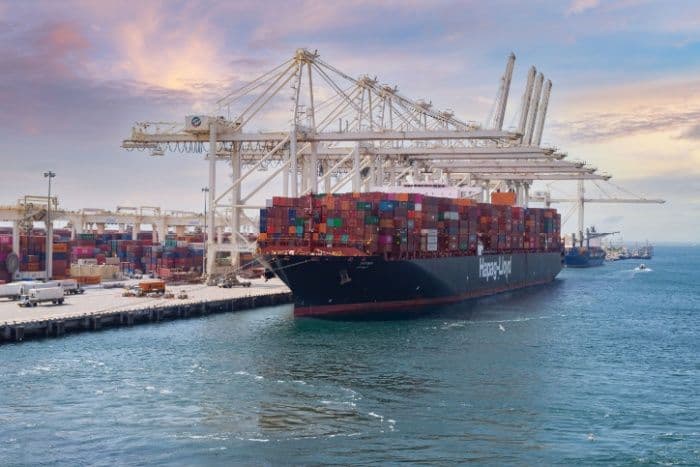
The conflict in the Middle East has resulted in a substantial $5.5 billion rise in bunker fuel costs for ocean shipping lines, as reported by Sea-Intelligence. This financial burden is largely attributed to the rerouting of vessels away from the Red Sea and Suez Canal, forcing them to take longer journeys around the Cape of Good Hope. These extended voyages naturally require greater fuel consumption, directly impacting operational expenditures.
Following the outbreak of hostilities, carriers swiftly implemented emergency fuel surcharges for spot market shipments. However, cargo moving under existing contracts, which typically incorporate quarterly Bunker Adjustment Factors (BAFs), experienced a lag in reflecting these increased costs. This delay meant that carriers absorbed higher fuel expenses for a period before they could be passed on to shippers through contractual adjustments.
For freight forwarders and shippers, this situation translates into higher overall shipping costs, particularly for routes affected by the Red Sea diversions. While spot market rates immediately reflected the surcharges, forwarders managing long-term contracts likely saw their margins squeezed initially due to the delayed BAF adjustments. This emphasizes the importance of understanding the mechanisms of fuel surcharges and their impact on different types of freight agreements. The sustained higher bunker costs could also lead to continued upward pressure on freight rates across various trade lanes, especially those connecting Asia and Europe.