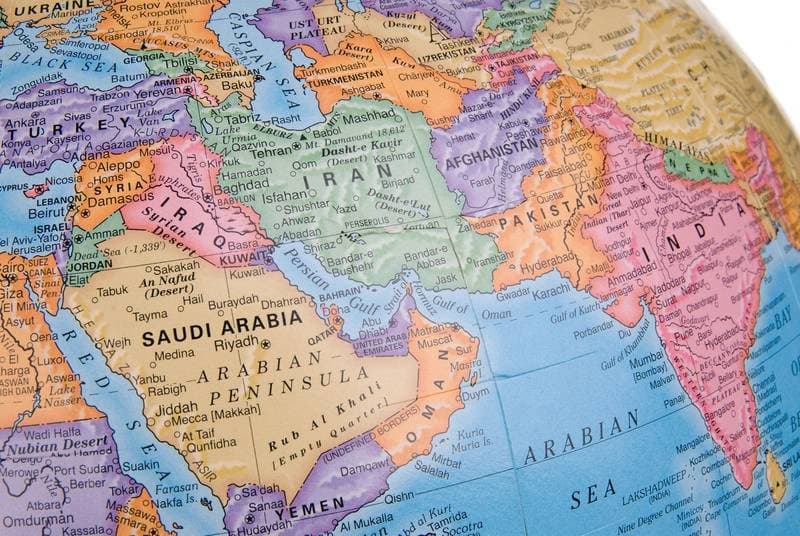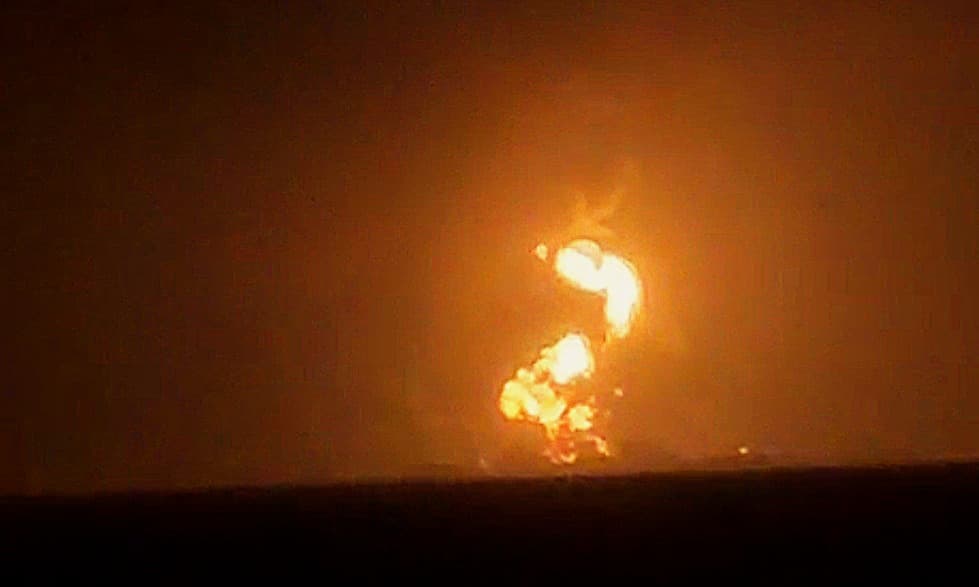
Captain Mohit Kohli has shared his experience commanding a merchant vessel through the Strait of Hormuz during a period of intense conflict, where the ship encountered missile and drone attacks. He emphasized that standard maritime training, which covers storms, operational incidents, piracy, and machinery failures, does not adequately prepare mariners for navigating an active war zone.
This situation underscores a significant gap in current maritime safety protocols and training, as commercial shipping routes can unexpectedly become battlefields. The crew faced not only direct threats from weaponry but also the psychological toll of misinformation and constant fear, operating in an environment where the rules of engagement for civilian vessels were unclear.
For freight forwarders and operations managers, such incidents in critical chokepoints like the Strait of Hormuz signal potential for severe disruptions. These include increased insurance premiums, re-routing requirements, significant delays, and heightened security costs. The safety of crew and cargo becomes paramount, necessitating careful risk assessment for any shipments transiting or destined for the region. Forwarders must stay informed on geopolitical developments and carrier advisories to mitigate risks and ensure continuity of supply chains.
The account suggests a need for the maritime industry and international bodies to re-evaluate security measures and training for commercial vessels operating in or near conflict areas, potentially leading to new guidelines or designated safe corridors.