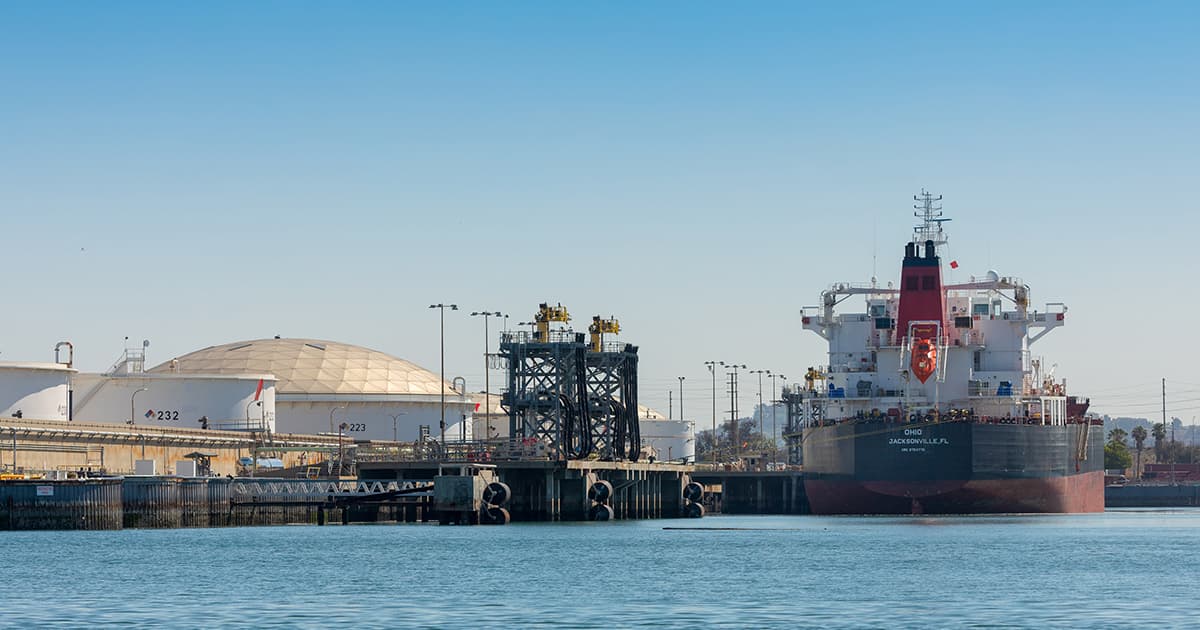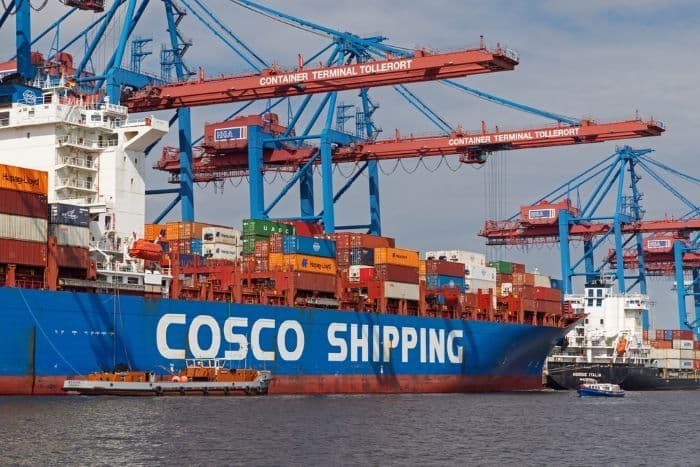
Iranian oil terminals are currently showing very little activity, with a noticeable reduction in tanker movements and overall cargo handling. This subdued operational status coincides with ongoing international negotiations, which appear to be influencing the country's oil export capabilities and broader maritime commerce.
For freight forwarders and logistics professionals, this situation implies continued uncertainty regarding the availability and routing of Iranian oil shipments. The lack of activity suggests that sanctions or political considerations are still heavily impacting trade flows, leading to potential disruptions in supply chains that rely on Iranian crude or refined products. Capacity for tankers serving the region may remain underutilized, and any future changes in diplomatic relations could swiftly alter market dynamics.
Should the ongoing talks lead to a resolution, there could be a rapid increase in demand for tanker capacity and associated logistics services. Conversely, a breakdown in negotiations might prolong the current stagnation, maintaining the limited trade environment.