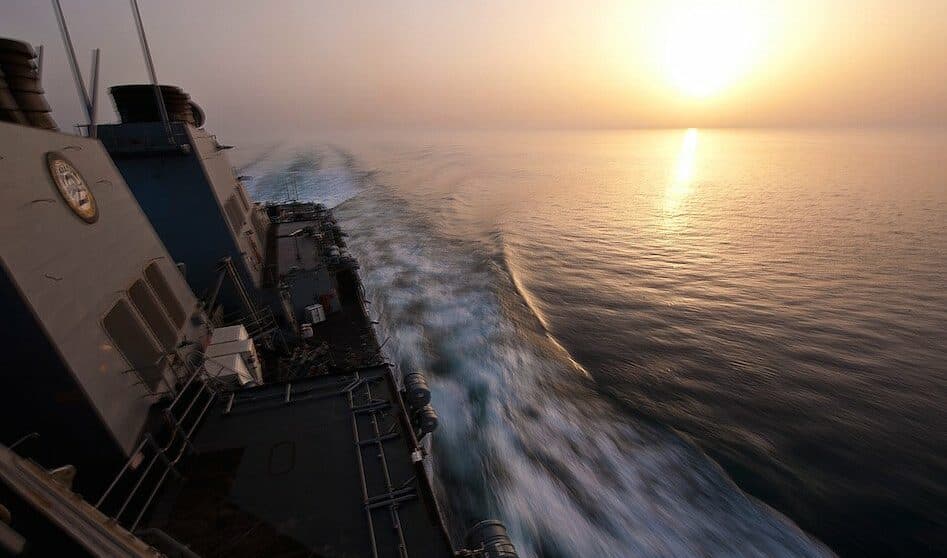
The International Maritime Organization (IMO), alongside maritime security states in the region, has expressed significant concern over the reappearance of Somali piracy. This alarm comes after a series of vessel hijackings that have occurred in the Gulf of Aden and the broader western Indian Ocean. These incidents have led to dozens of seafarers being taken hostage, highlighting a deteriorating security situation in these critical shipping lanes.
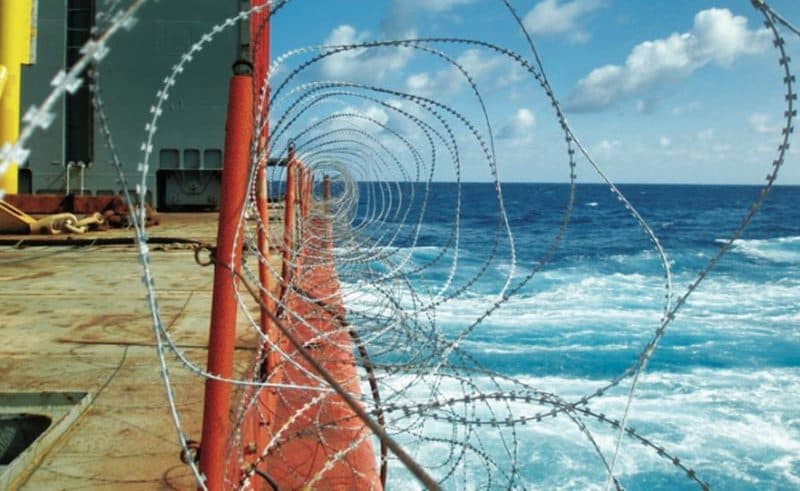
This resurgence marks a troubling development after years of concerted international efforts had largely suppressed Somali piracy. The previous peak of pirate activity, which saw numerous attacks and hostage situations, prompted the deployment of international naval forces and the implementation of best management practices (BMP) for vessels transiting the high-risk area. The current incidents suggest that the underlying factors contributing to piracy, potentially including instability on land or reduced maritime patrols, may be re-emerging.
For freight forwarders and shippers, this development signals a potential increase in operational risks and costs. Vessels transiting the affected areas may face higher war risk insurance premiums, which will likely be passed on to cargo owners. Furthermore, carriers might consider re-routing vessels to avoid the perceived high-risk zones, leading to longer transit times and potentially higher fuel costs. Forwarders should monitor carrier advisories closely and communicate potential surcharges or schedule changes to their clients. The safety of seafarers and the security of cargo are paramount, necessitating a re-evaluation of risk management strategies for shipments through the region.
While the statement from the Djibouti Code of Conduct/Jeddah Amendments chair indicates a coordinated response, the immediate next steps for enhanced maritime security measures or specific naval deployments were not detailed in the source.