Global Air Freight Rates Soften Following Middle East Surge
Global air freight rates have begun to ease in early May, attributed to a decrease in jet fuel prices. Key export regions like India, Hong Kong, and Korea experienced week-on-week rate declines, though prices remain higher compared to the previous year's levels. This offers…
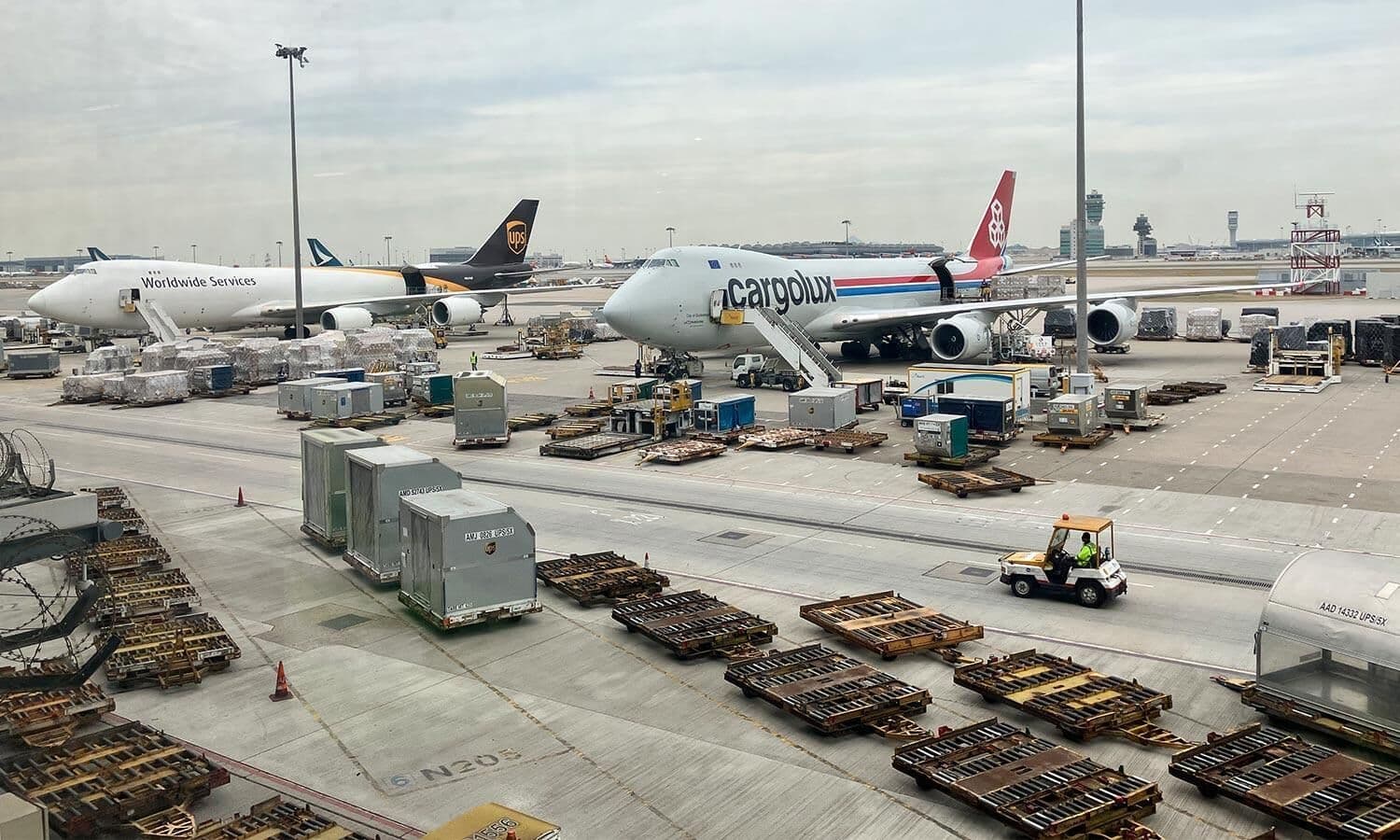
Global air freight rates have started to decline in early May, primarily driven by a reduction in jet fuel prices. Data from TAC Index indicates that rates from major export markets such as India, Hong Kong, and Korea saw week-on-week decreases. Despite this recent softening, the current air freight rates from these regions are still elevated when compared to the same period last year.
This development follows a period of increased rates, particularly influenced by disruptions and heightened demand related to the Middle East. The previous surge had put upward pressure on air cargo costs globally.
For freight forwarders and shippers, this easing of rates provides a welcome respite from recent cost increases. While rates are still higher year-on-year, the week-on-week decline suggests a potential stabilization or downward trend in air cargo pricing. This could lead to more favorable spot rates and improved budgeting for airfreight movements, especially for goods originating from key Asian manufacturing hubs. Forwarders should monitor these trends closely for opportunities to optimize routing and pricing strategies.