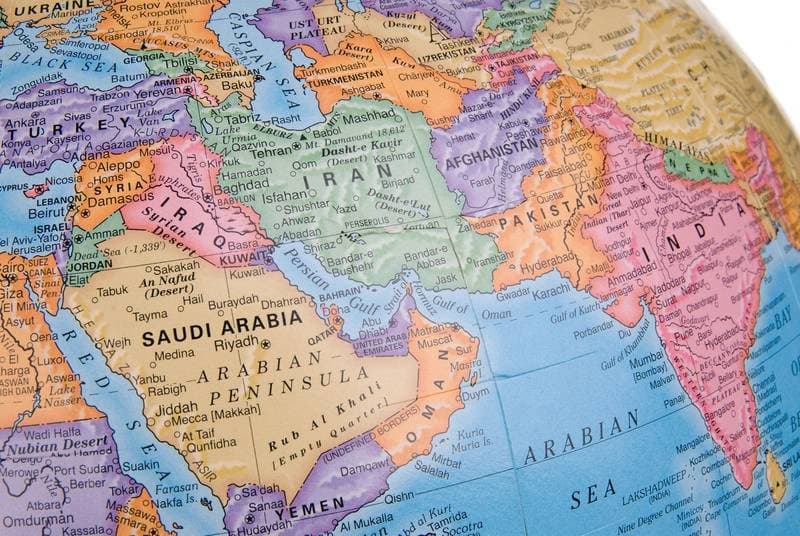
Iran's self-declared Persian Gulf Strait Authority (PGSA) has issued what appears to be the most explicit geographical outline to date of the maritime area it claims jurisdiction over in the Strait of Hormuz. This development signifies a potential shift in how international shipping might navigate this crucial chokepoint.
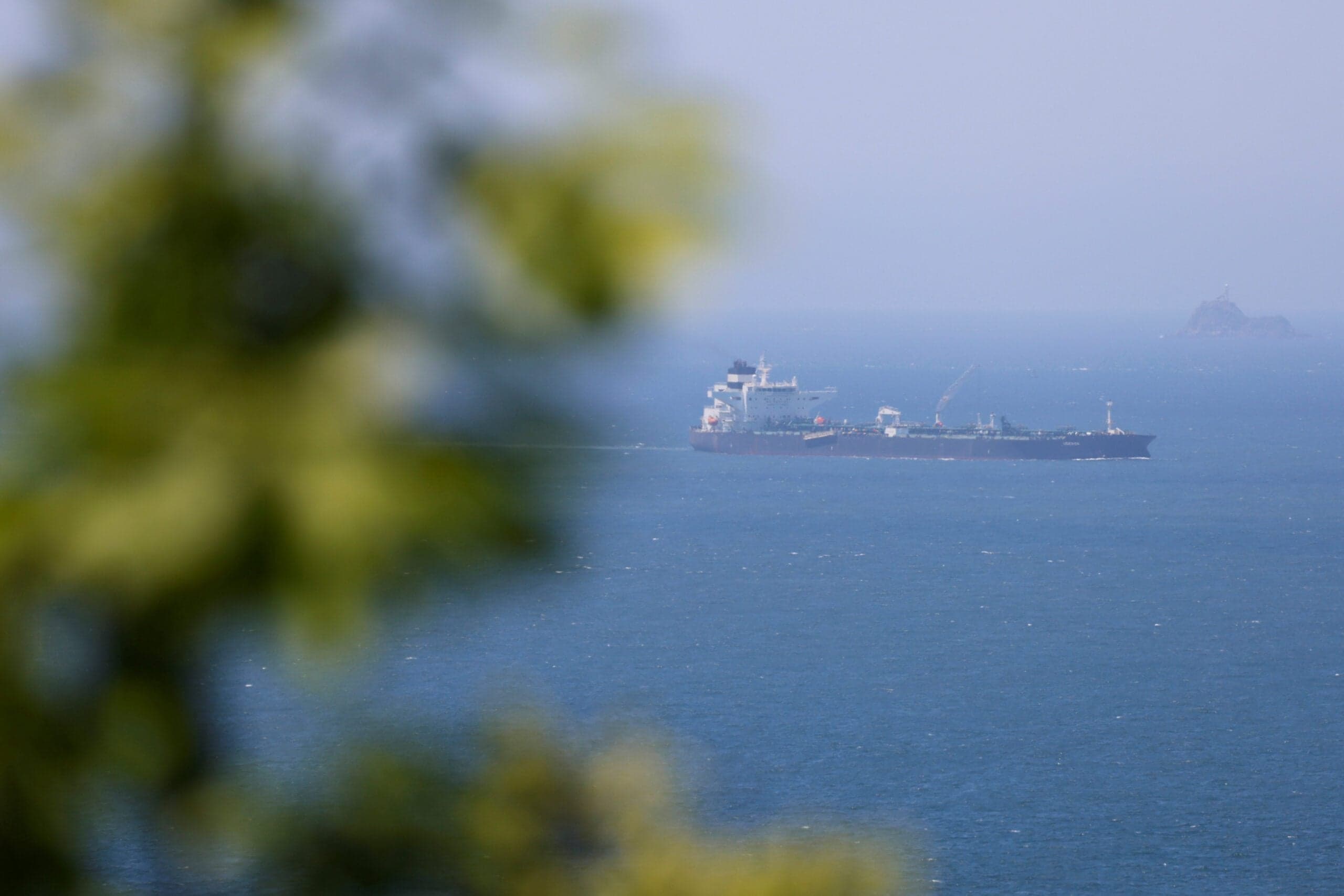
The Strait of Hormuz is a globally vital waterway, connecting the Persian Gulf to the open ocean and serving as a transit point for a significant portion of the world's oil supply and other cargo. Any unilateral declaration of an oversight zone by Iran in this international strait could be viewed as a challenge to established maritime law and freedom of navigation.
For freight forwarders and shippers, this could introduce new layers of complexity and risk. Vessels transiting the Strait of Hormuz might face increased scrutiny, potential delays, or new operational requirements imposed by Iranian authorities. This could impact transit times, fuel consumption, and potentially lead to higher insurance premiums or security costs for shipments. Forwarders should monitor the situation closely and advise clients on potential disruptions or changes to routing and scheduling.
The immediate next steps are unclear, but the international community, particularly maritime organizations and major shipping nations, will likely assess this declaration and its implications for freedom of navigation and international trade.