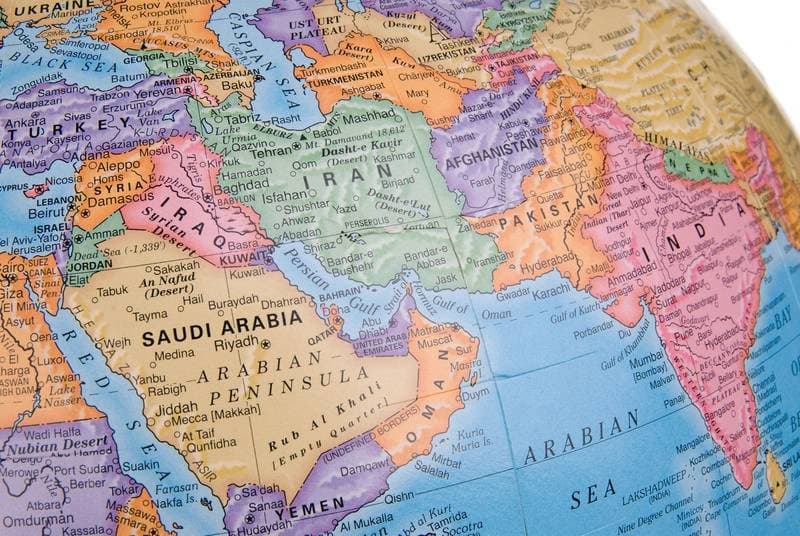
Iran has reportedly introduced a new transit system for vessels navigating the Strait of Hormuz. This system mandates that ships adhere to specific routes, passing through designated island checkpoints. The implementation also involves diplomatic arrangements and the collection of passage fees from transiting vessels.
This development signifies a potential shift in maritime governance within the Strait of Hormuz, a critical chokepoint for global oil shipments. The exact scope and enforcement mechanisms of this system are still emerging, but it suggests a more formalized Iranian oversight of maritime traffic.
For freight forwarders and shippers, this new system could introduce additional costs and administrative complexities. The imposition of passage fees will directly impact shipping expenses, while adherence to specific routes and checkpoints may affect transit times and operational flexibility. Forwarders will need to monitor these developments closely to understand the full implications for vessel scheduling, budgeting, and risk assessment when planning routes through the Strait of Hormuz. Compliance with these new regulations will be crucial to avoid potential delays or complications.
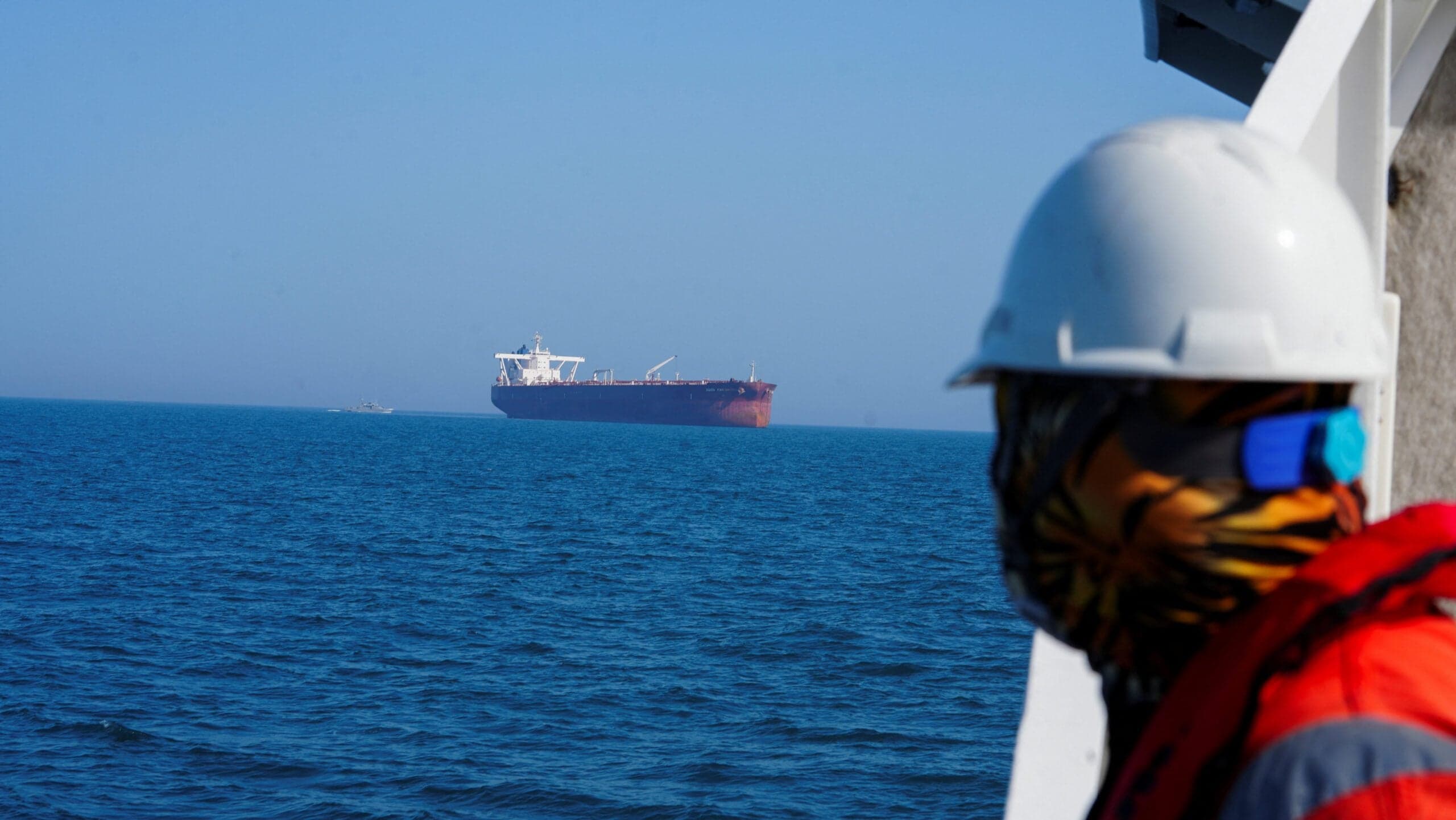
The source indicates that tanker crews are already navigating according to these new Iranian directives, suggesting the system is actively being enforced.