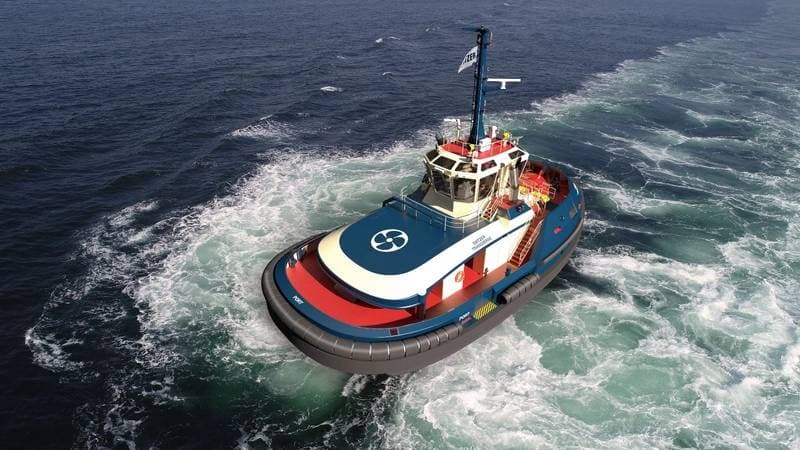
Osnabrück University of Applied Sciences and the shipping company Norden-Frisia have initiated a joint project, Bi-directional Integration of Electric Vehicles (BIDI-EL), to explore using electric vehicle (EV) batteries to help power the *Frisia EI*, a battery-powered passenger ferry. This vessel commenced operations in March 2025, serving the route between Norddeich Mole and the island of Norderney in the German North Sea. The project, supported by the German Federal Environmental Foundation (DBU), seeks to progressively eliminate fossil fuel consumption from ferry services to the East Frisian Islands. Concurrently, it aims to significantly ease the load on the local electricity infrastructure by leveraging the stored energy in EVs.
For freight forwarders and logistics professionals, this development highlights a broader trend towards electrification and grid integration in maritime transport, particularly for short-sea shipping and ferry services. While directly impacting passenger transport, successful implementation could inform future strategies for electric tugs, port vessels, or even smaller cargo feeders, potentially influencing port energy demands and infrastructure development. It also underscores the growing emphasis on sustainable logistics solutions and the innovative use of existing technologies (EV batteries) to achieve decarbonization goals.