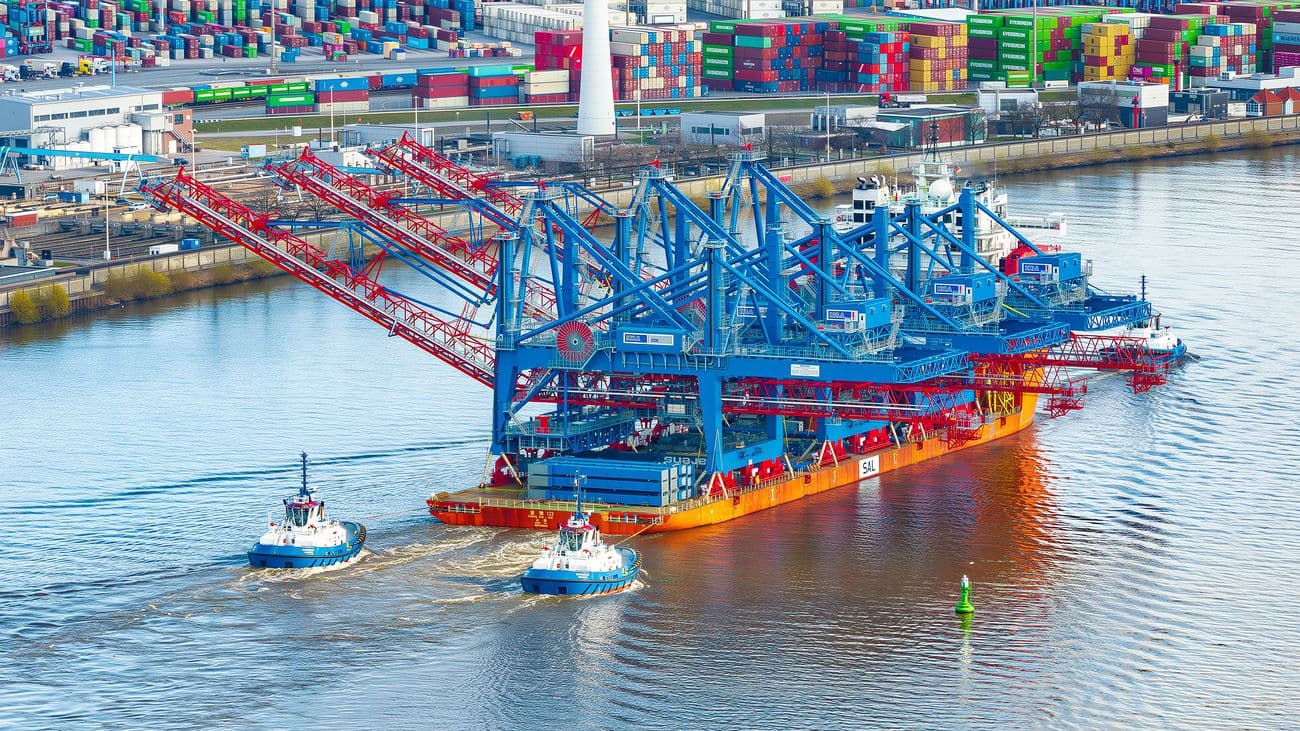
After a period of stagnation, Germany's primary ports witnessed a notable increase in cargo throughput during 2025. The total volume of cargo handled across these ports rose by 3.8%, reaching 284.4 million tons. This growth represents a significant turning point, following several years where cargo volumes remained relatively flat.
This resurgence is largely attributed to ongoing strategic initiatives focused on modernizing port infrastructure and implementing advanced automation technologies. These investments are crucial for enhancing operational efficiency, reducing turnaround times, and improving the overall competitiveness of German ports within the European logistics landscape.
For freight forwarders and supply chain managers, this positive development suggests potential improvements in port performance. Increased efficiency and capacity could translate into more predictable schedules, reduced dwell times for cargo, and potentially more competitive service offerings. Forwarders might experience smoother operations when routing shipments through German gateways, benefiting from the enhanced capabilities and streamlined processes.
Looking ahead, the continued focus on automation and infrastructure upgrades is expected to further solidify the position of German ports as key hubs in international trade. These efforts are part of a broader strategy to ensure sustained growth and resilience in the face of evolving global supply chain demands.