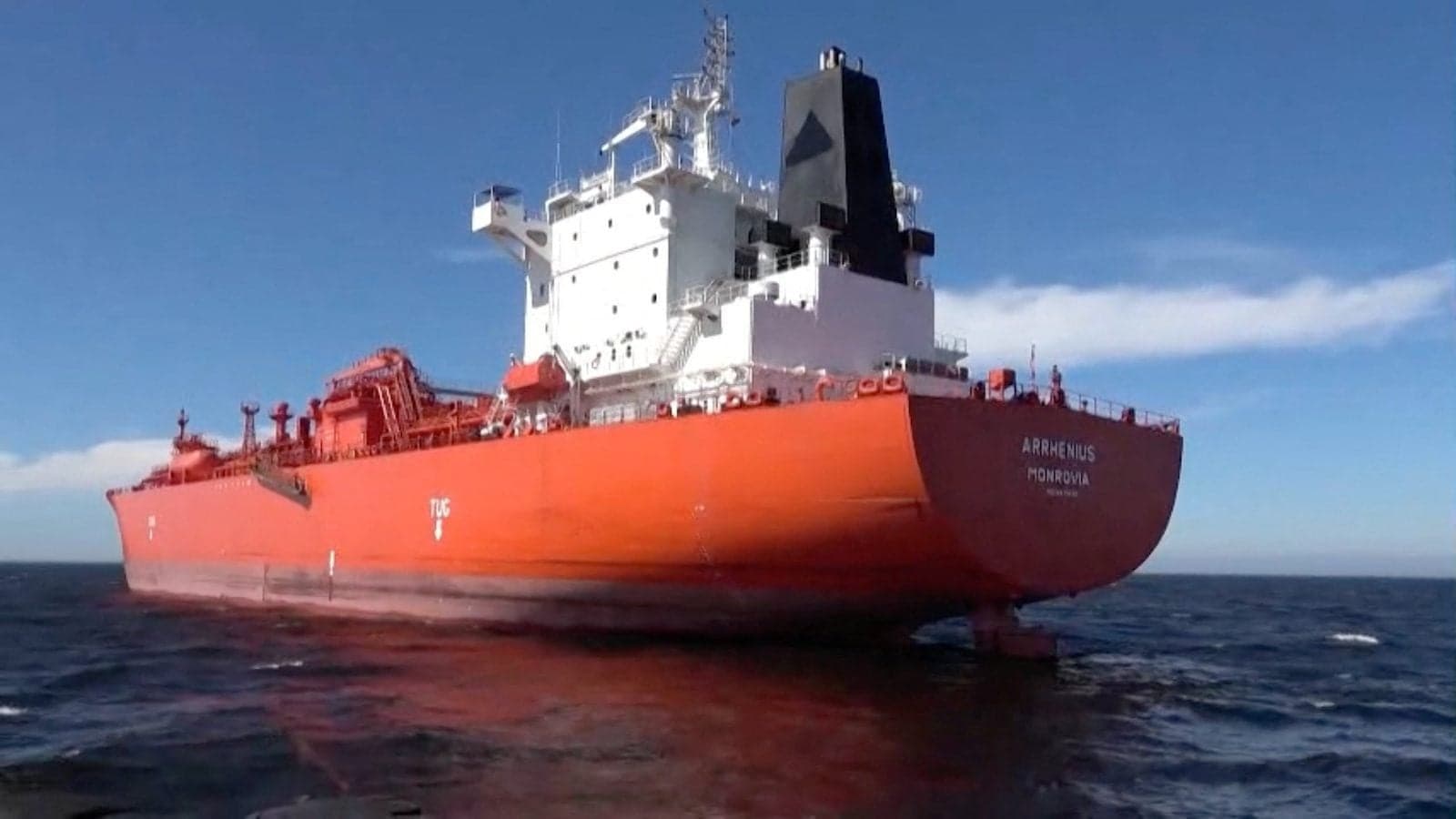
Russia's Federal Security Service (FSB) announced on Monday that divers located magnetic explosive devices attached to the hull of a Liberia-flagged liquefied petroleum gas (LPG) tanker. The vessel was docked at the Baltic Sea port of Ust-Luga when the discovery was made. The Kremlin has characterized this event as a foiled terrorist attack.
This incident underscores a dangerous escalation in maritime security threats within the Baltic Sea, a region already experiencing heightened tensions due to geopolitical conflicts. The presence of explosive devices on a commercial vessel suggests a new front in potential hostilities, moving beyond traditional military targets to commercial shipping.
For freight forwarders and shippers, this development could lead to increased scrutiny and security measures for vessels operating in the Baltic Sea. Operators might face delays due to enhanced inspections, and there is a strong possibility of rising war risk insurance premiums for voyages through the region. Forwarders should closely monitor advisories from maritime security organizations and consider potential routing adjustments or additional security protocols for sensitive cargo.
While the source does not specify immediate next steps, the incident is likely to prompt further investigations by Russian authorities and potentially lead to calls for increased international cooperation on maritime security in the Baltic Sea.