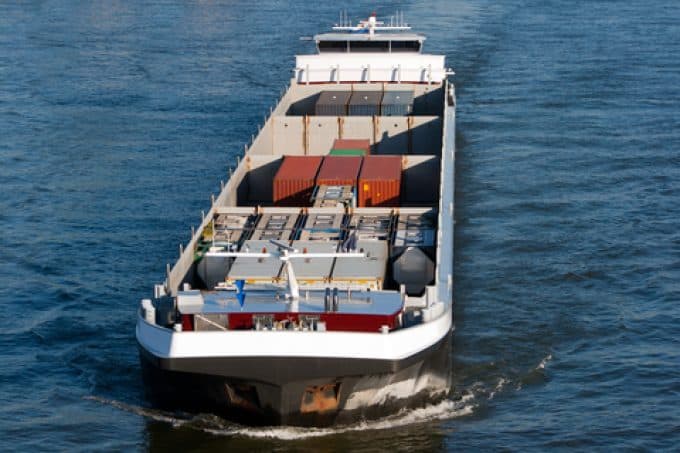
Inland barge services across Europe are currently facing considerable operational challenges. The primary issue stems from unusually low water levels in key rivers, a direct consequence of rising temperatures. This environmental factor significantly restricts the capacity and navigability of barges, leading to reduced cargo loads and slower transit times.
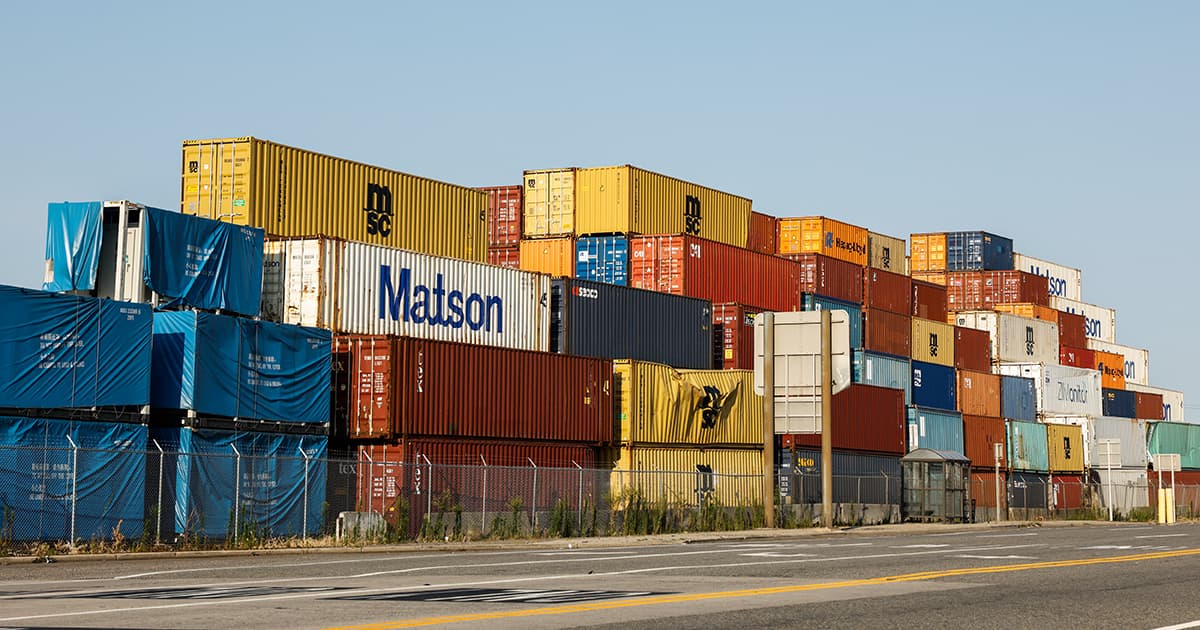
This situation is further complicated by the ongoing influx of ultra-large container vessels (ULCVs) at major European ports. These massive ships often strain port infrastructure and lead to increased dwell times for containers, which then creates a bottleneck for onward movement via inland waterways. The combination of port congestion and restricted river navigation creates a compounding effect on supply chain efficiency.
For freight forwarders and operations managers, these conditions translate into longer lead times and potential disruptions for shipments relying on European inland waterways. Capacity on barges may be reduced, necessitating alternative transport arrangements or incurring higher costs for expedited services. Shippers should anticipate delays and factor in additional buffer time for cargo moving through these regions. Monitoring water levels and port congestion updates will be crucial for effective planning.