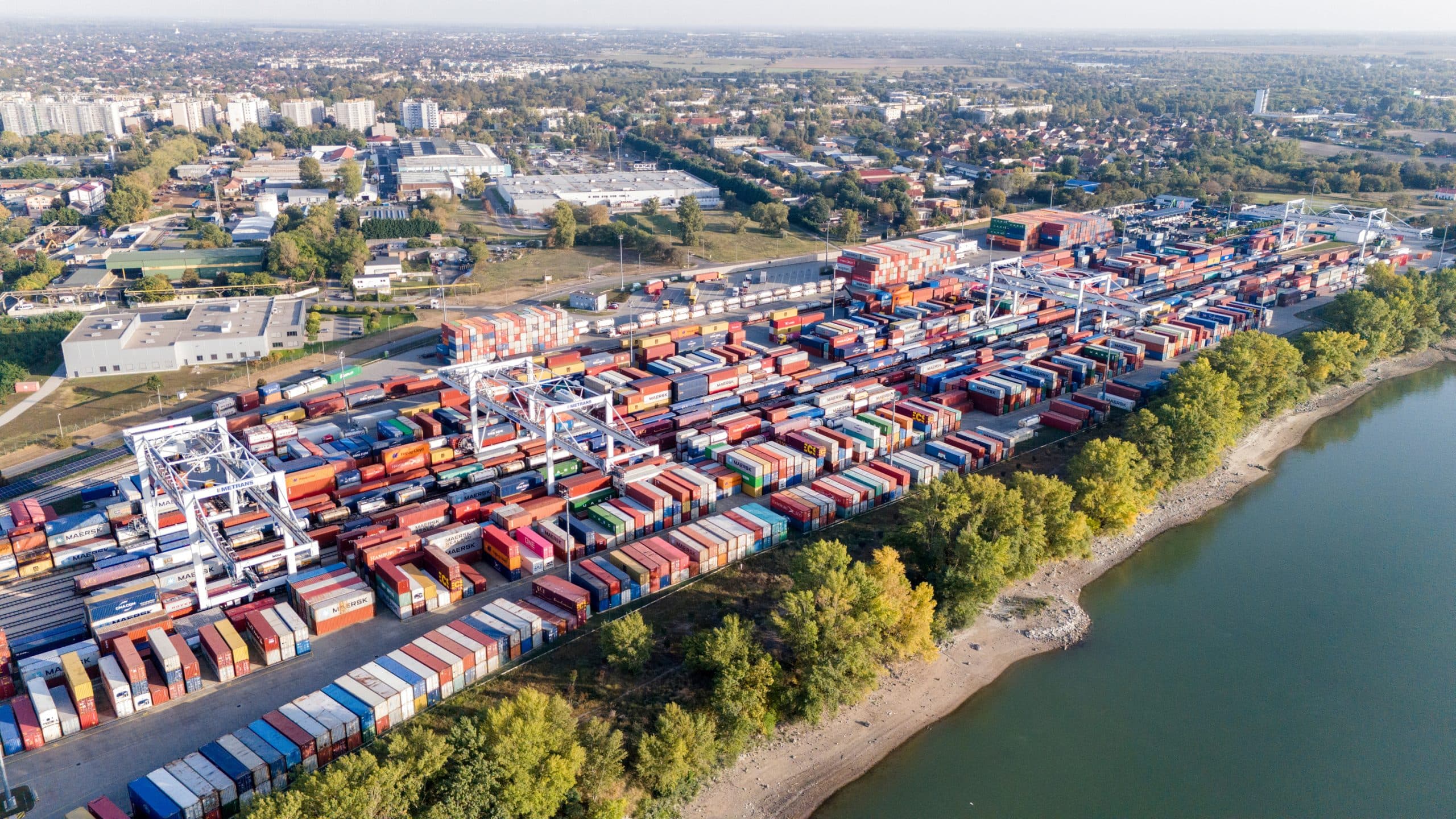
Despite clear market demand for rail freight services across Europe, the sector is currently experiencing a noticeable decline. This trend suggests a potential long-term reduction in rail's share of the continent's freight transport landscape, contrary to sustainability goals and shipper preferences. The apparent contradiction between high demand and dwindling service provision points to underlying structural or operational challenges within the European rail freight network.
For freight forwarders and operations managers, this situation implies increasing difficulty in securing rail capacity and potentially higher costs for available services. The observed decline, if it continues, could force a greater reliance on road transport, impacting lead times, carbon footprints, and overall supply chain efficiency. Forwarders may need to explore alternative intermodal solutions or adjust their routing strategies to mitigate the effects of reduced rail availability.