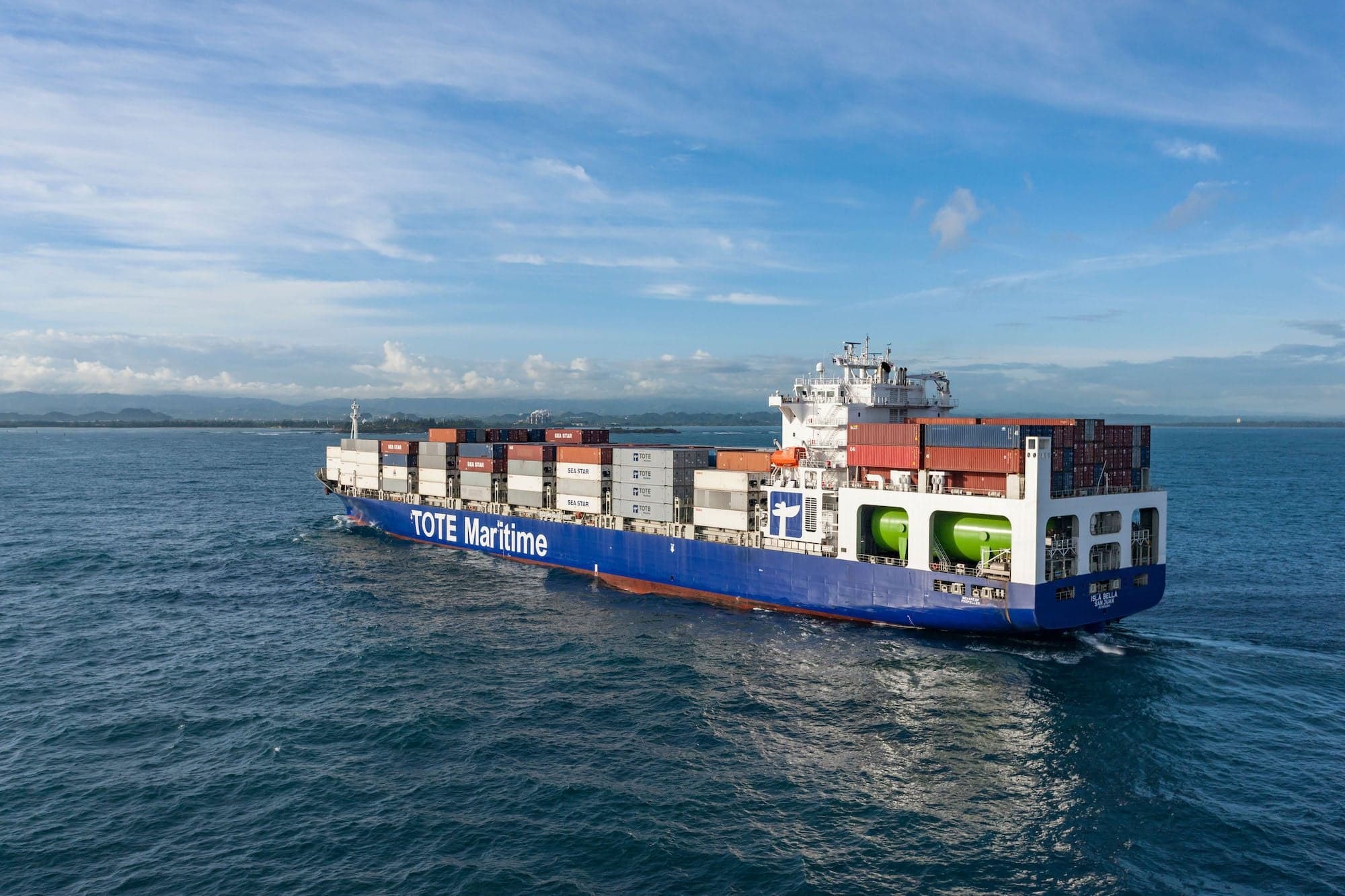
The global shipping industry is making substantial investments in vessels capable of running on alternative fuels. The combined total of dual-fuel containerships and vehicle carriers that have been delivered or are currently on order has now surpassed 1,200 units. This trend highlights a strong and sustained commitment within the maritime sector to transition towards more environmentally friendly propulsion systems.
This ongoing investment in dual-fuel technology is a direct response to increasing environmental regulations and growing pressure to decarbonize shipping operations. Carriers are proactively ordering these vessels to meet future emissions targets, such as those set by the IMO, and to future-proof their fleets against potential carbon pricing mechanisms.
For freight forwarders and shippers, the growing fleet of dual-fuel vessels indicates a gradual shift in available capacity. While the immediate impact on rates or routing may be minimal, in the long term, these ships could offer more sustainable shipping options. Forwarders may eventually see a differentiation in services based on the environmental footprint of the vessels used, potentially influencing carrier selection for eco-conscious clients. It also suggests a future where fuel surcharges might be linked to the type of fuel consumed, rather than solely to traditional bunker prices.
This trend is expected to continue, with more orders anticipated as alternative fuel infrastructure develops and regulatory frameworks become clearer. The industry is positioning itself for a future where sustainability is a core operational requirement.