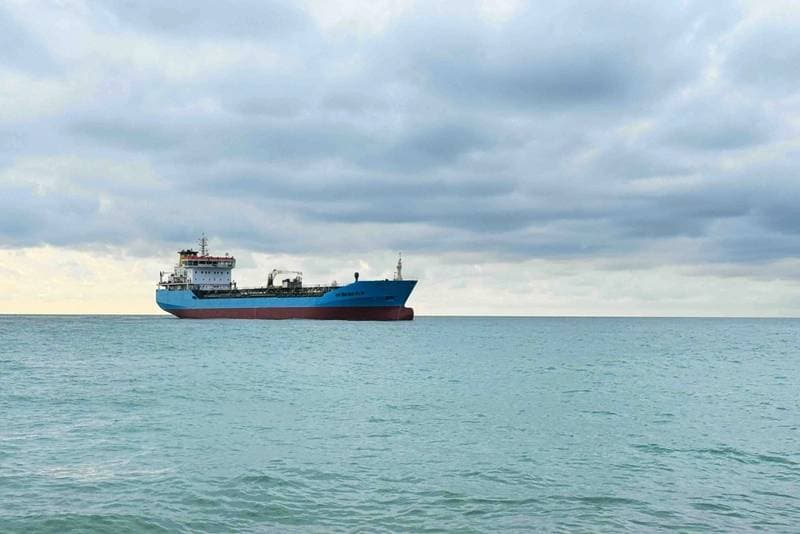
A commercial tanker recently sustained a projectile strike while transiting waters just east of the Strait of Hormuz. The UK Maritime Trade Operations (UKMTO) confirmed receiving a report from the vessel's master regarding the incident. This event serves as a stark reminder that while the Strait of Hormuz remains open for commercial shipping, it continues to be a volatile area with inherent security risks.
This incident follows a period of heightened tensions and attacks on shipping in the broader Middle East region, particularly in the Red Sea and Gulf of Aden. The Strait of Hormuz, a narrow chokepoint between the Persian Gulf and the Gulf of Oman, is crucial for global oil and gas shipments, making any disruption a significant concern for international trade.
For freight forwarders and shippers, this incident means that the operational environment in and around the Strait of Hormuz remains unpredictable. Carriers may adjust their risk assessments, potentially leading to increased war risk insurance premiums for vessels transiting the area. This could translate into higher freight costs for cargo moving through the region. Forwarders should advise clients on potential delays and ensure robust cargo insurance coverage. It also reinforces the need for vigilance and adherence to security protocols for vessels operating in these waters.
The immediate aftermath of the strike suggests a fragile recovery in regional maritime security. Further incidents could prompt more significant operational changes, such as re-routing or enhanced security measures, impacting transit times and supply chain reliability.