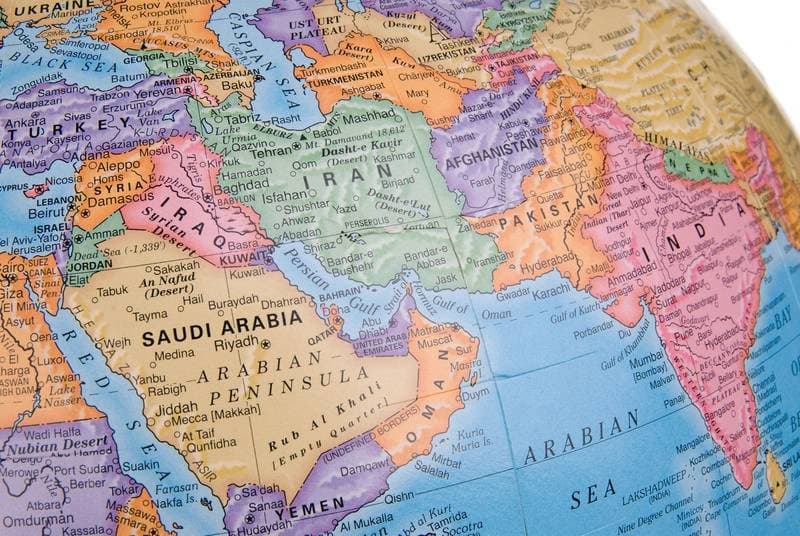
Two Very Large Crude Carriers (VLCCs) belonging to Chinese operators, Cosco Shipping and Sinochem, have recently completed their transit out of the Arabian Gulf, passing through the Strait of Hormuz. These vessels were laden, suggesting they were carrying crude oil shipments from the region.
Concurrently, a VLCC operated by the South Korean carrier HMM is reported to be entering the Strait of Hormuz, heading into the Arabian Gulf. This continuous movement of large oil tankers underscores the Strait's vital role as a global energy chokepoint.
For freight forwarders and operations managers involved in oil and gas logistics, these transits highlight the ongoing flow of crude oil from the Middle East to international markets. While this specific event does not indicate a disruption, the Strait of Hormuz remains a geopolitically sensitive area. Any future incidents or increased tensions in this region could significantly impact tanker schedules, insurance premiums, and ultimately, the cost and reliability of crude oil shipments. Forwarders should continuously monitor geopolitical developments affecting this critical waterway.