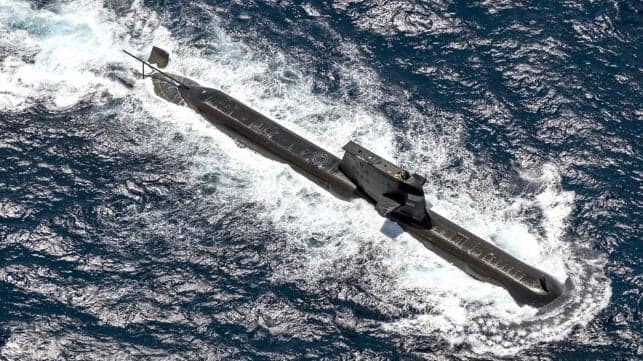
Australia is reportedly considering the procurement of Japanese submarines to bolster its naval defense capabilities. This strategic assessment is driven by two primary factors: the perceived risks and complexities associated with the AUKUS security agreement, which involves the acquisition of nuclear-powered submarines from the United States and United Kingdom, and the advanced age of Australia's existing submarine fleet.
The AUKUS pact, while promising advanced capabilities, presents significant challenges, including long delivery timelines, technological integration hurdles, and substantial financial commitments. These factors may be prompting Australia to seek alternative or supplementary solutions to ensure its immediate and long-term maritime security needs are met.
For freight forwarders and supply chain stakeholders, this development primarily impacts the defense sector and heavy-lift logistics. While not directly affecting commercial shipping rates or capacity in the short term, it signals potential future large-scale defense procurement and associated specialized logistics requirements. Any major defense acquisition could indirectly influence port usage for specialized cargo or create demand for specific transport services.
Should Australia proceed with acquiring Japanese submarines, it would likely involve complex logistical operations for transport, maintenance, and training, potentially engaging specialized maritime and air cargo services for components or personnel. This move could also signify a broader shift in regional defense alliances and supply chains.