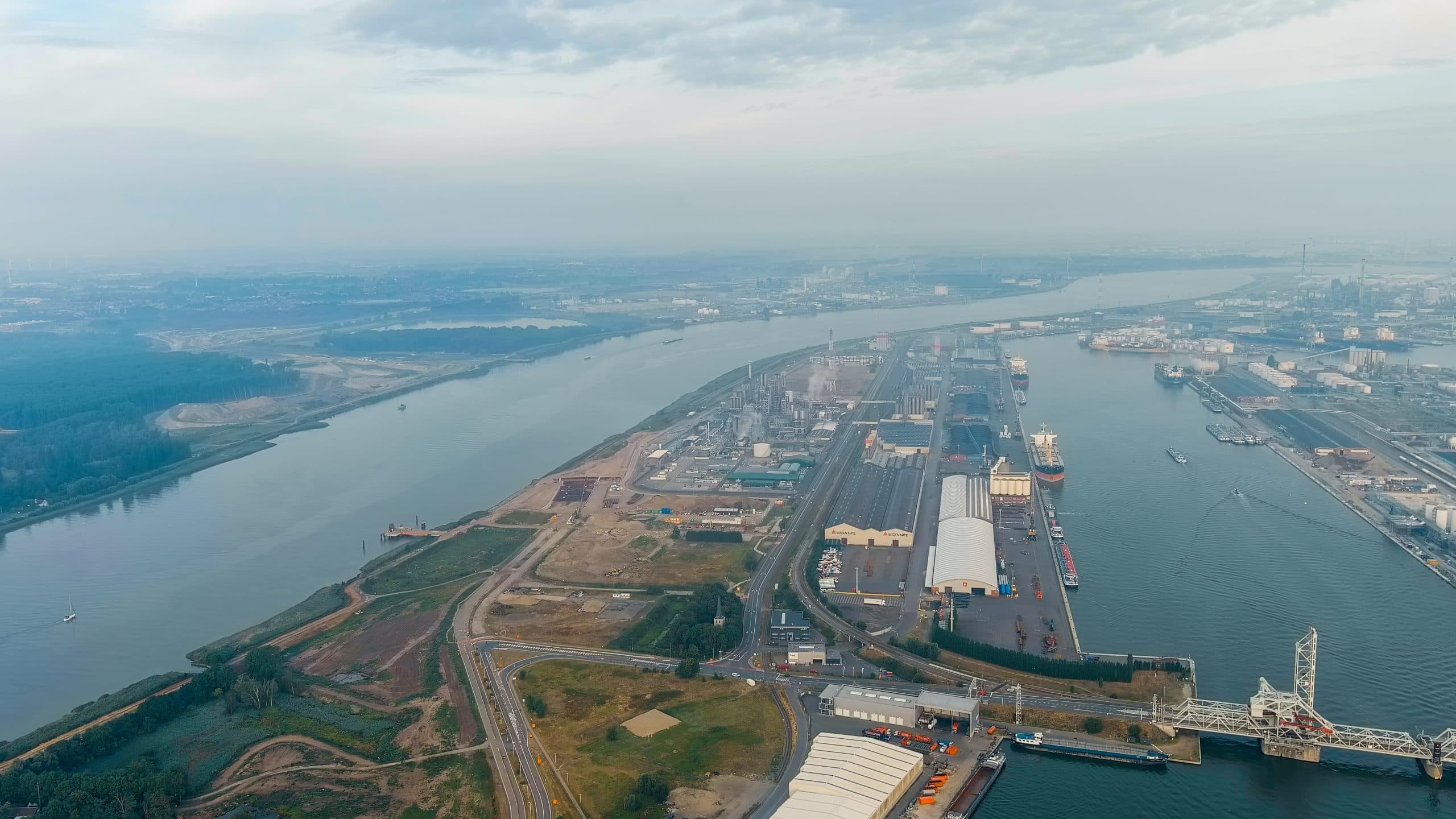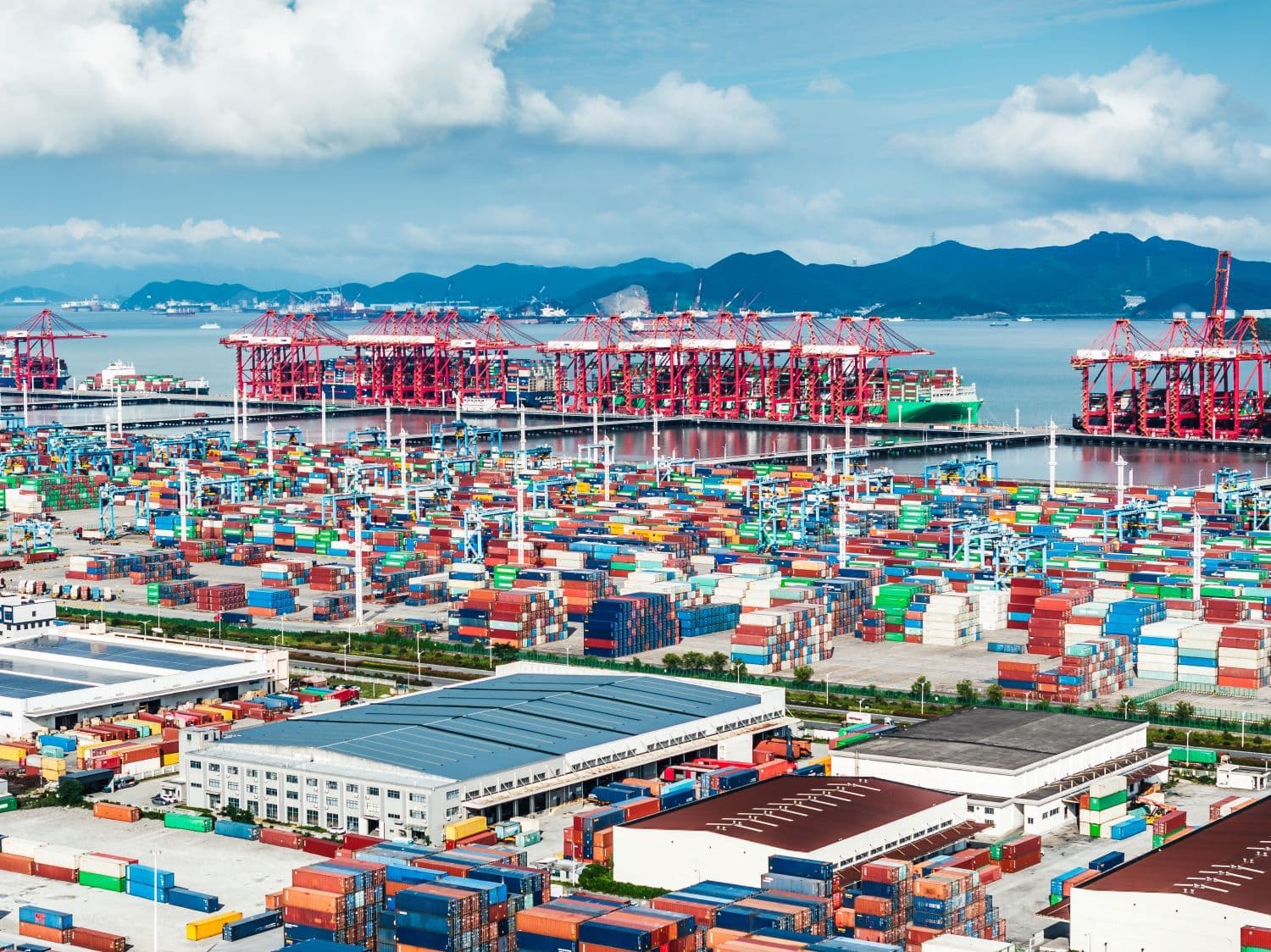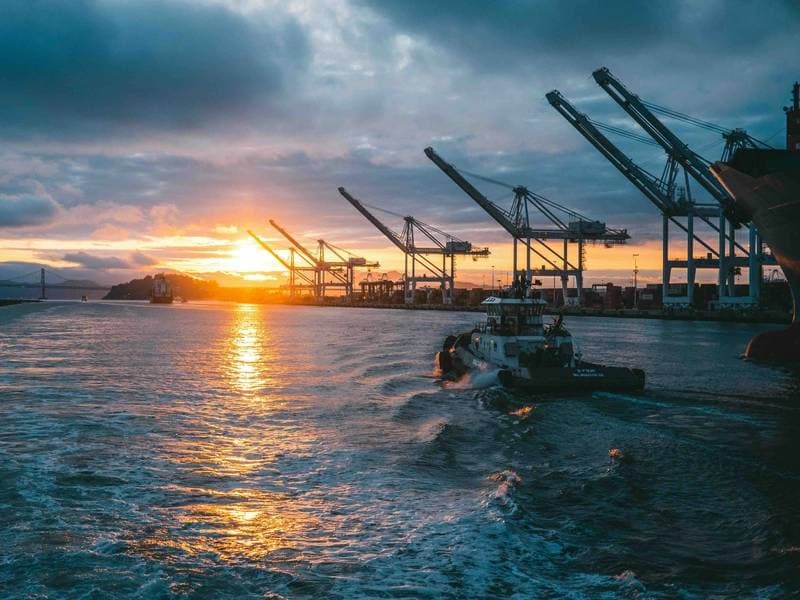
Modern ports are increasingly integrating Artificial Intelligence (AI) into their security and operational frameworks. This involves deploying remotely tracked and operated sensors and advanced camera systems to enhance various aspects of port management. The primary goals are to achieve greater operational efficiency, strengthen security measures, and improve overall safety within the extensive areas of contemporary port facilities.
For freight forwarders and operations managers, this trend signifies a move towards more secure and potentially faster port operations. Enhanced security measures, driven by AI, could reduce incidents of theft or unauthorized access, leading to fewer delays and claims. Improved operational efficiency might translate into quicker vessel turnarounds and cargo processing, which could positively impact transit times and schedule reliability. While direct rate impacts are not immediately clear, the long-term benefits of streamlined operations could contribute to more stable and predictable logistics costs.