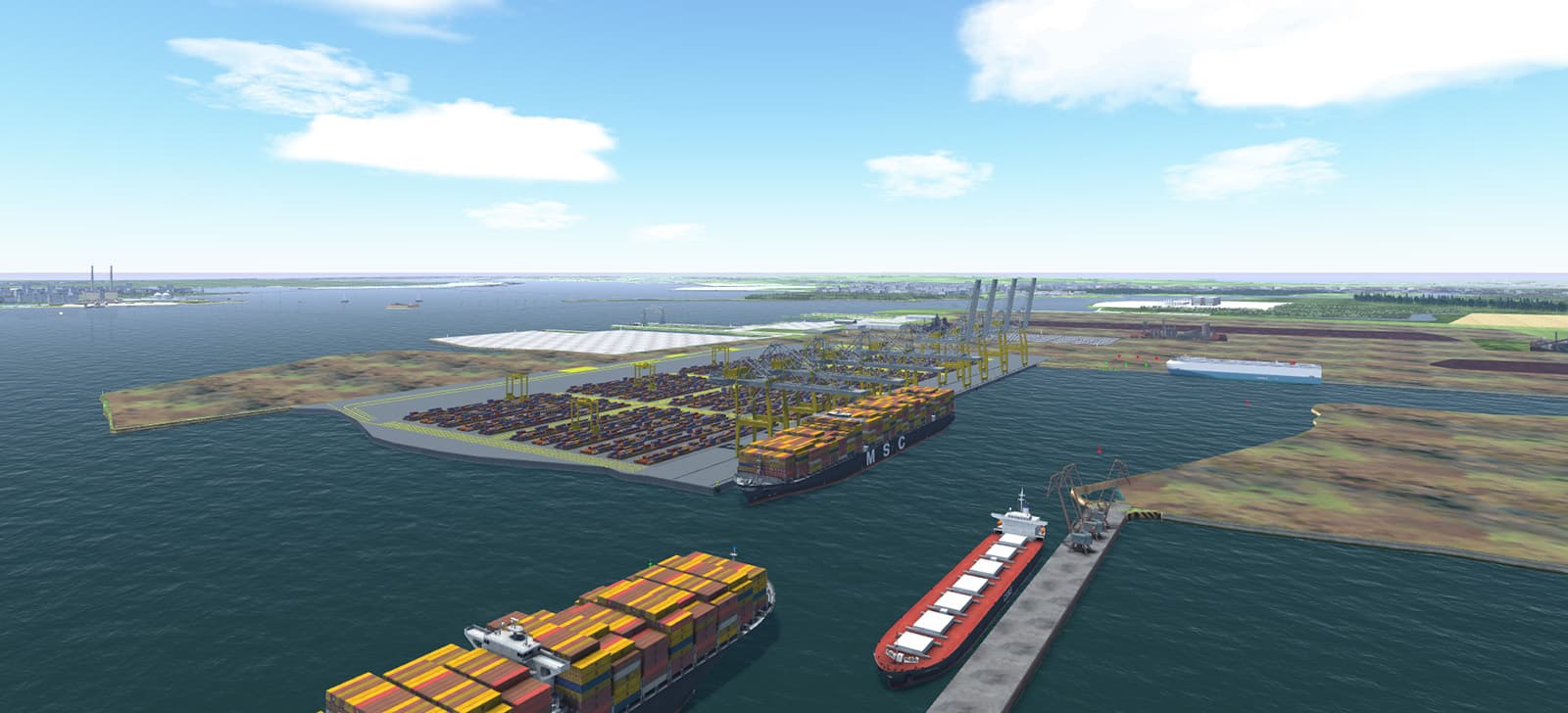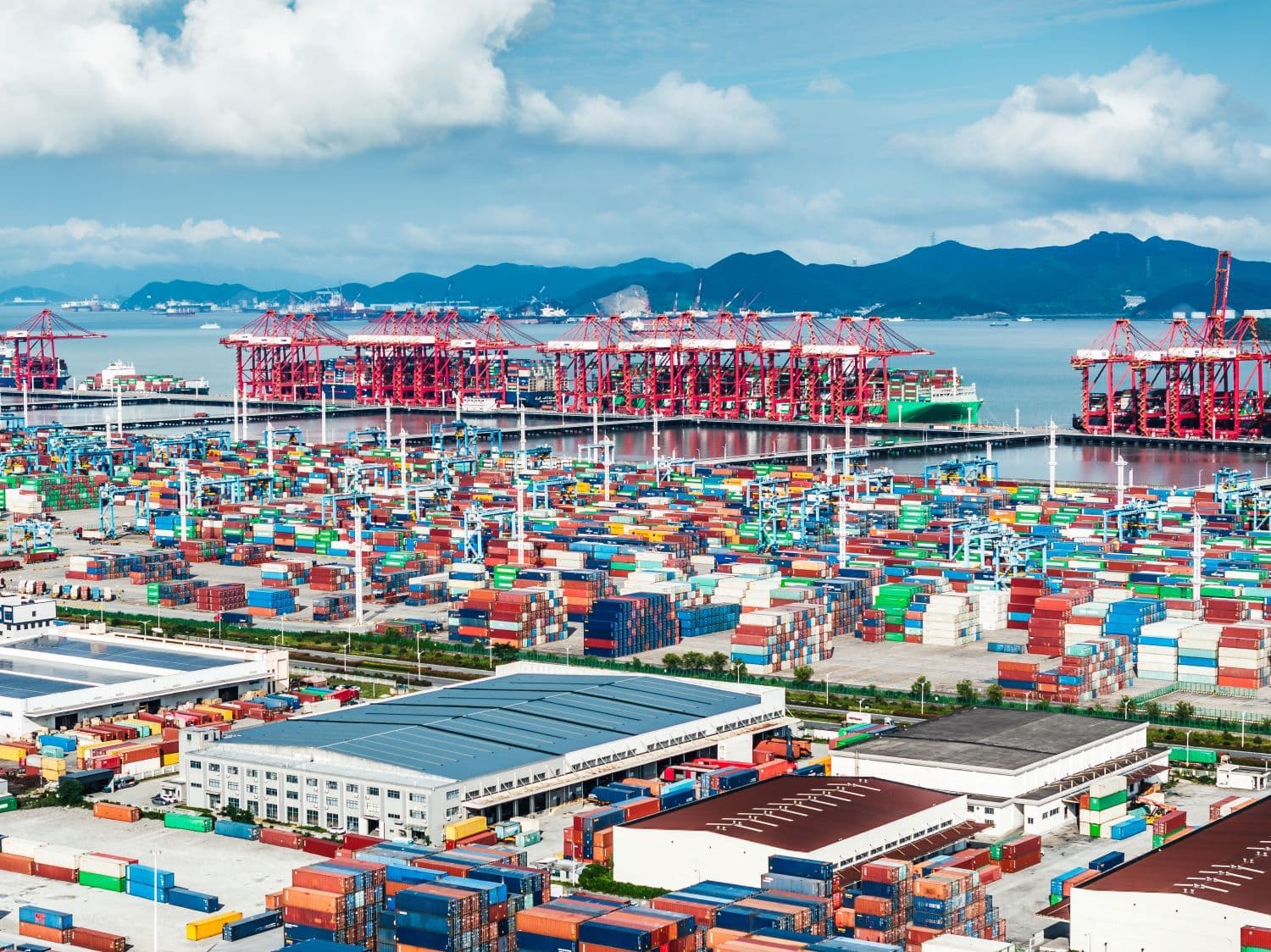
Congestion at several prominent Asian ports has reportedly eased, primarily attributed to a temporary reduction in cargo volumes linked to recent holiday periods. This development has contributed to improved operational fluidity and reduced waiting times for vessels in the region.
However, despite the overall improvement, some specific terminal hotspots within individual ports, notably Shanghai, continue to experience berthing delays. This indicates that while the broader situation is better, localized bottlenecks persist, requiring ongoing attention from carriers and port operators.
For freight forwarders and operations managers, this easing of congestion generally translates to better schedule reliability and potentially shorter transit times on affected routes. Reduced port waiting times can lead to lower demurrage and detention costs, and improved vessel turnaround. However, the continued existence of specific congested terminals means that careful planning and communication with local partners are still essential to avoid unexpected delays, particularly for shipments routed through these identified hotspots. Forwarders should verify real-time conditions for specific terminals rather than relying solely on general port status updates.
It is anticipated that as holiday periods conclude and cargo volumes potentially rebound, port congestion could increase again. Stakeholders will be monitoring these trends to assess the sustainability of the current improvements.