26d ago·Hellenic Shipping News
Baltic Dry Index Records Second Consecutive Daily Increase
The Baltic Exchange's dry bulk freight index increased for the second day, rising about 1% to 3,620 points.
Articles tagged with the Freight Rates topic across every transport mode.
The Baltic Exchange's dry bulk freight index increased for the second day, rising about 1% to 3,620 points.
Imported iron ore margins have rebounded to profit, supported by rising spot prices that track futures gains.
Aluminum futures in the UK hit a four-week high due to tight supply and reduced inventories, exacerbated by the US-Iran conflict
Wheat futures dropped as traders weighed diplomatic efforts against ongoing Black Sea export disruptions from the Ukraine conflict
Ocean freight rates have slightly decreased but remain elevated, aligning with 2024 peak season levels driven by Red Sea and labor issues
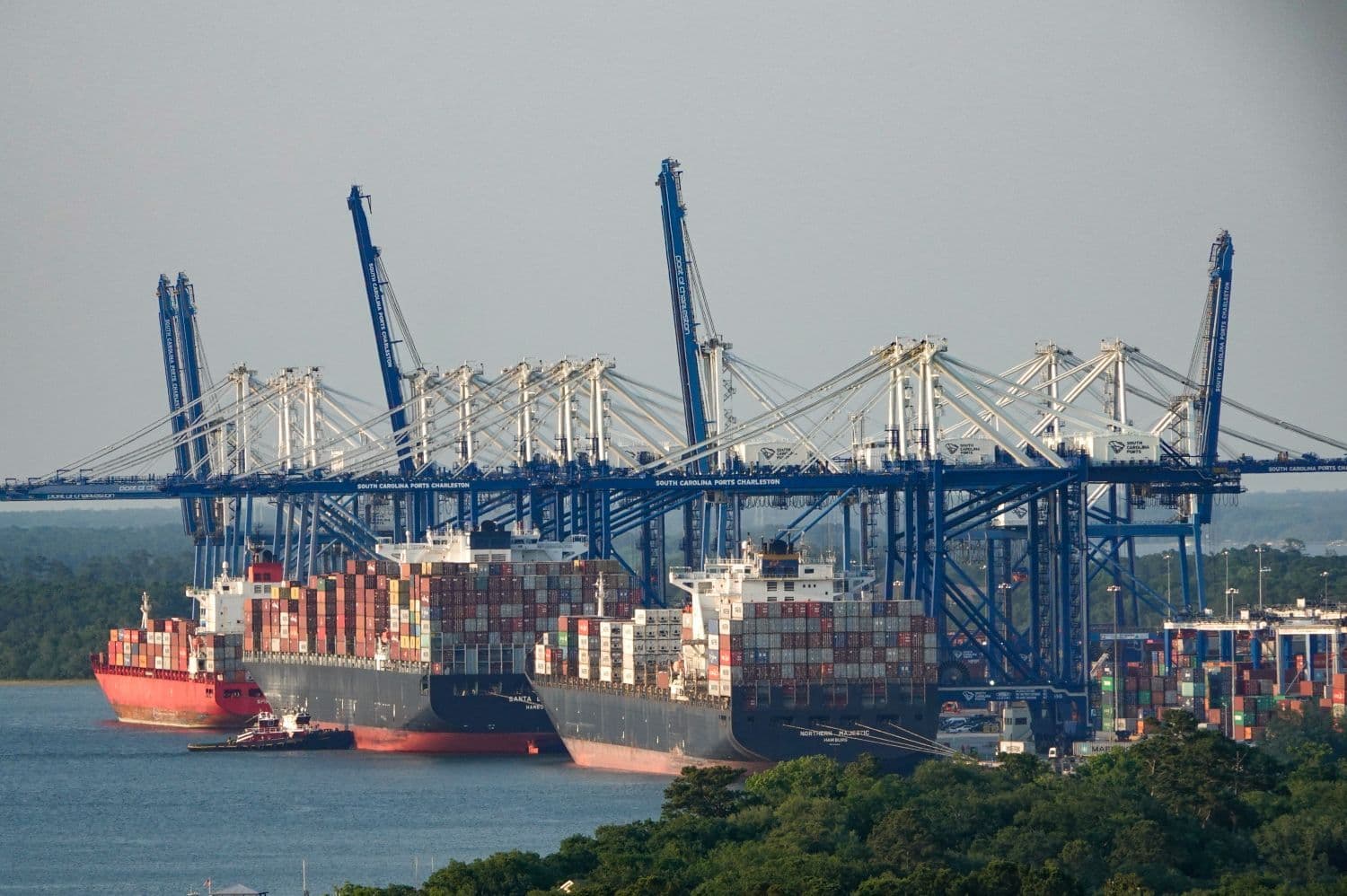
US retailers anticipate September will be the year's busiest import month due to China delays and Panama Canal restrictions
Greece's annual inflation rate reached 3.8% in August 2026, mainly due to higher housing, utility, and transport prices
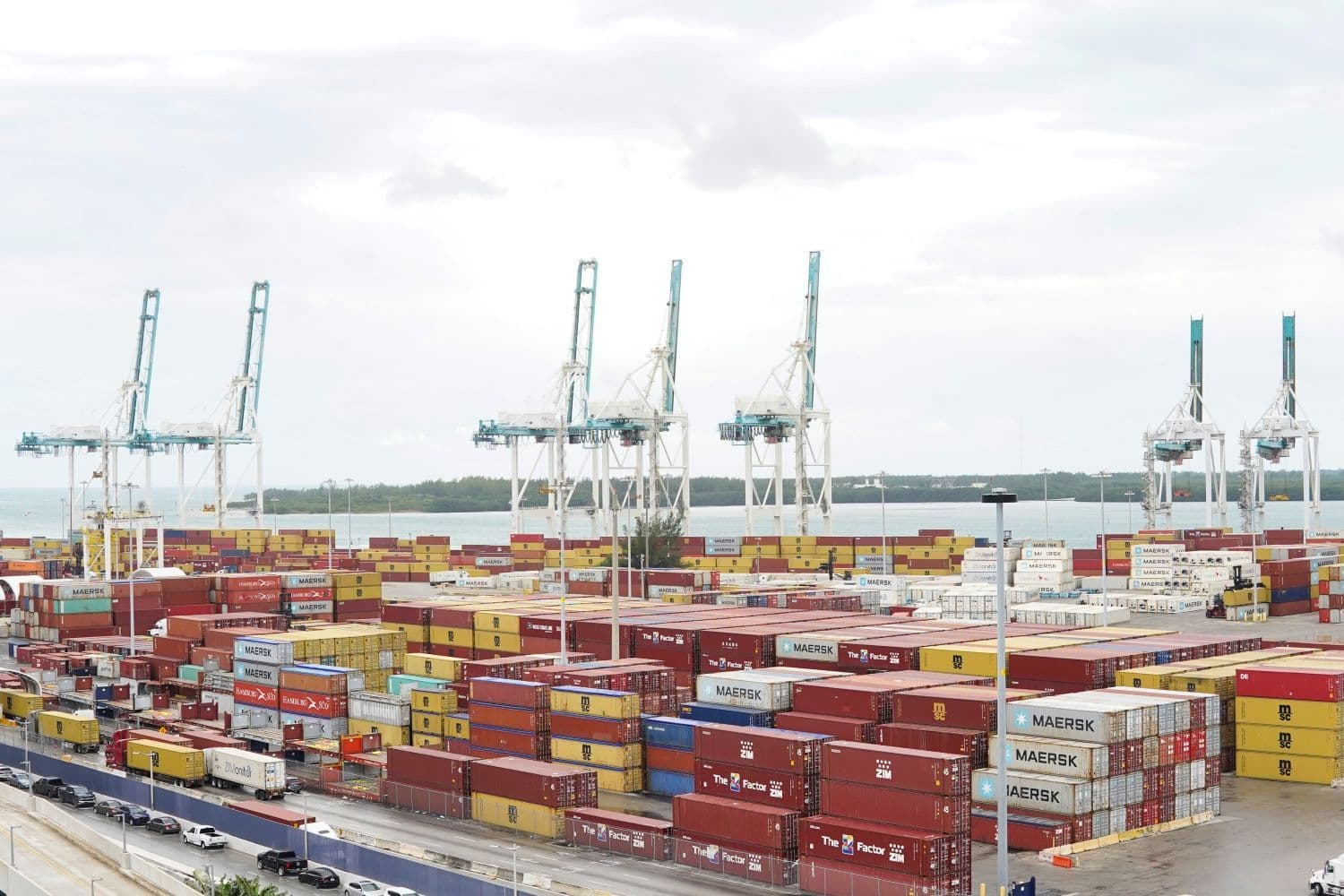
Freightos founder Zvi Schreiber criticizes the company's pivot to software, advocating for a renewed focus on its freight marketplace.
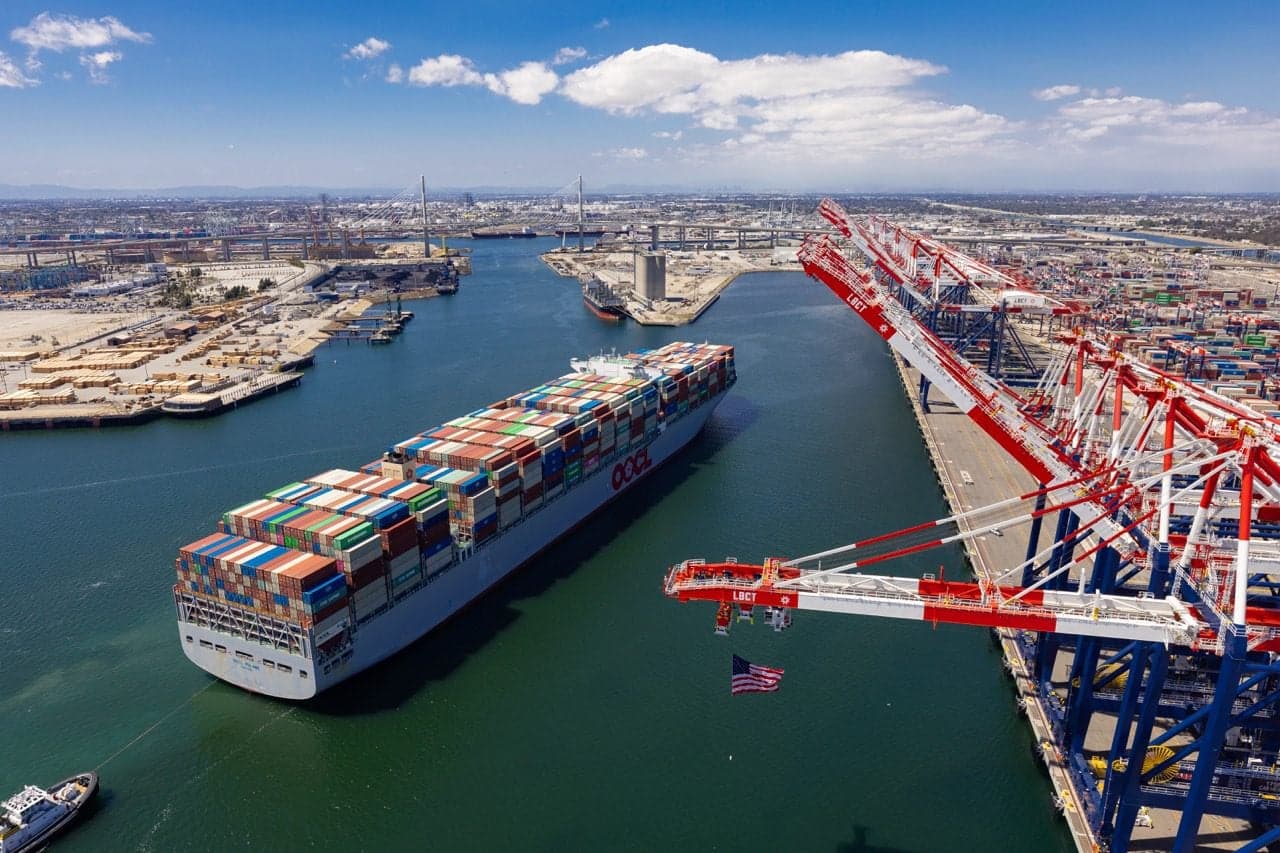
US container imports are set to hit a yearly high in September, extending the peak shipping season beyond initial forecasts
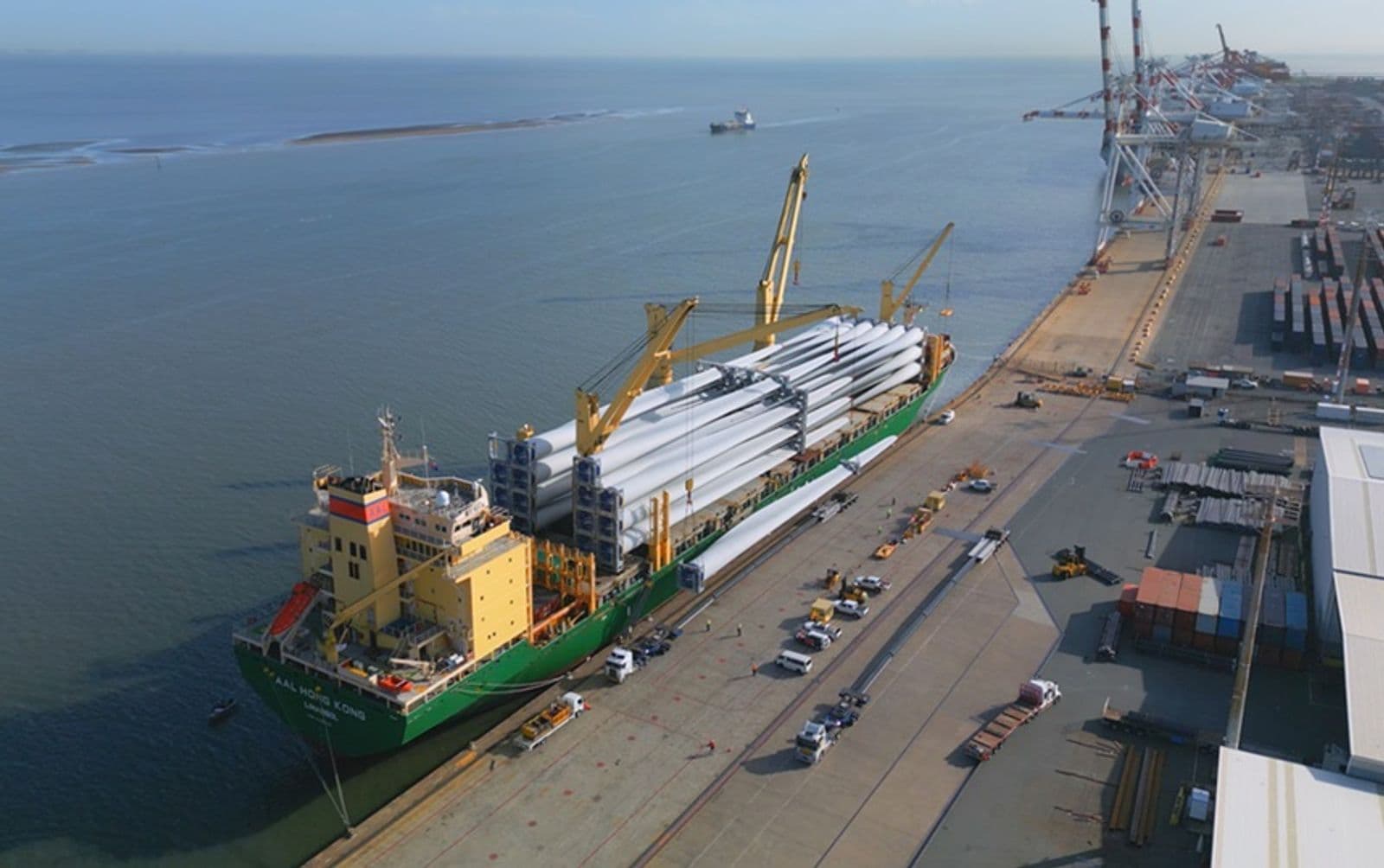
MPV owners are retaining older vessels due to strong time charter rates and consistent cargo demand, avoiding scrapping.
Three trucking companies filed for bankruptcy in California, New Jersey, and Texas due to a soft freight market
China's iron ore imports saw a modest increase in August and are projected to strengthen further in September.
Global bond market volatility, driven by economic and political shifts, may impact shipping finance and investment.
China's producer inflation accelerated to 3.8% in August 2026, exceeding forecasts due to rising material costs
Global container trade volumes reached an all-time high in July, showing strong resilience amidst geopolitical and weather challenges

Major LTL carriers report a deceleration in freight demand growth, even as some shippers expedite cargo for inventory.
Bunker price volatility was the main factor behind higher LNG-fueled dirty tanker freight rates compared to conventional vessels
The Baltic Dry Index (BDI) saw a slight increase on Tuesday, recovering some ground after a previous decline.
Global crude oil loadings saw a rebound in 2025 after a marginal decline the previous year
Germany's imports fell 5.7% in July 2026, reversing a previous increase, with declines from both EU and third countries.
US small business sentiment deteriorated in August 2026, with optimism falling due to lower sales and inflation concerns.
Increased demand from the US Gulf, Brazil, and West Africa is tightening Atlantic tanker capacity, boosting VLCC premiums.
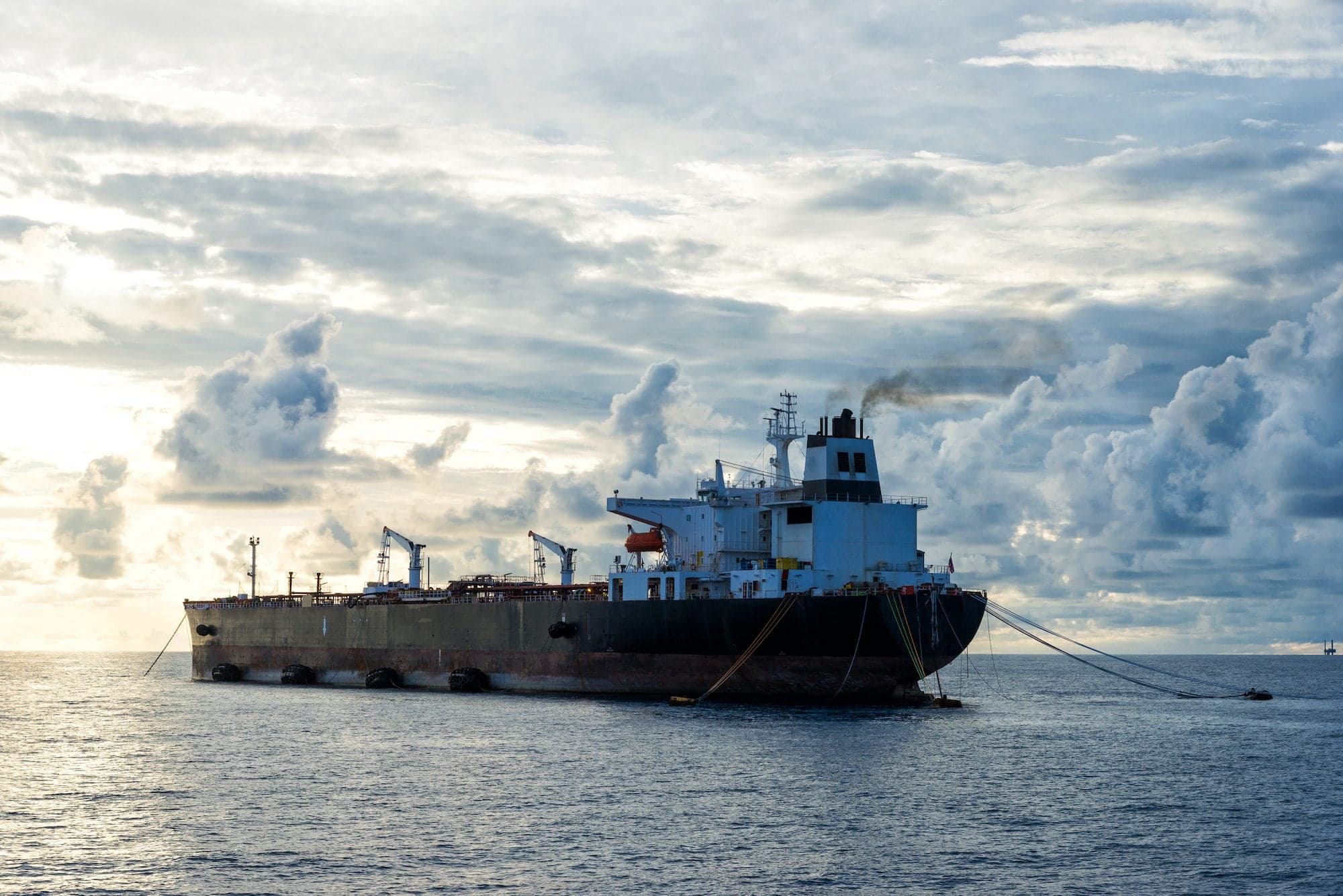
Oil tanker company Hunter Group ASA is seeking $55 million from a counterparty over a freight rate dispute.
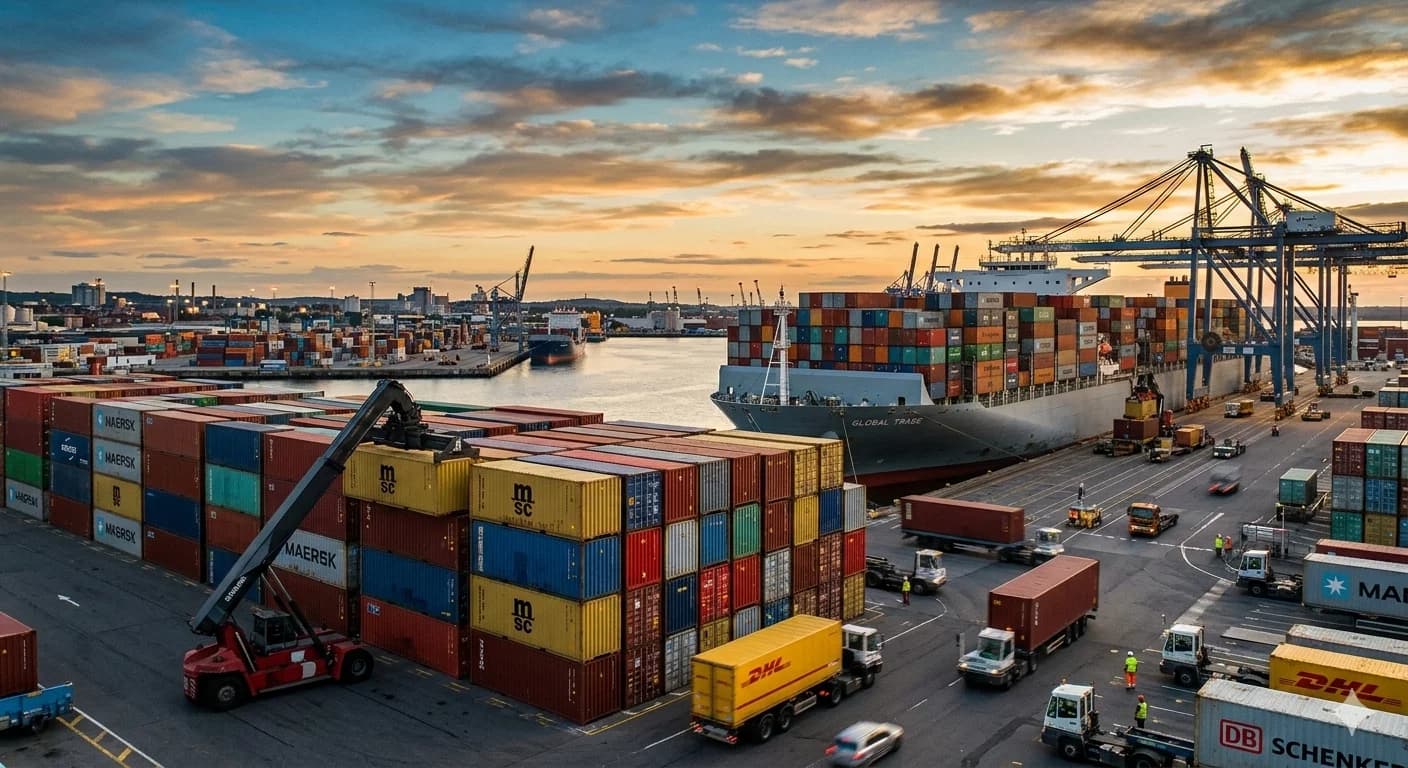
Asian port congestion is pushing container ships towards the Suez Canal, increasing capacity and lowering Europe rates
Low water levels on key European waterways are becoming a structural logistics risk, forcing cargo shifts and increasing supply chain…
Hapag-Lloyd reportedly sent a vessel through the Suez Canal, indicating a policy shift amid rising global freight demand.
Iron ore futures and Qingdao port spot prices rose modestly, though overall trading activity remained subdued.
Droughts are impacting key shipping arteries, notably the Panama Canal, leading to operational restrictions and increased costs.
Drewry introduces a new monthly dashboard offering key container shipping market indicators to help stakeholders manage volatility
Middle Eastern producers are increasing spot cargo availability, but strong Asian demand is driving up award prices.
Browse by mode or open the Intelligence Suite for cross-cutting briefs.