4h ago·Hellenic Shipping News
Asia-US Container Rates Climb Amid Capacity Management; Chemical Tanker Rates Rise
Container shipping rates from East Asia to the US rose this week as carriers managed capacity through blank sailings.
Articles tagged with the Freight Rates topic across every transport mode.
Container shipping rates from East Asia to the US rose this week as carriers managed capacity through blank sailings.
The Capesize dry bulk market saw a significant early-week decline, though it recovered slightly by Friday's close
Drewry's Intra-Asia Container Index (IACI) rose 2% last week to $1,518 per 40ft container, setting a new record.
EU steel exports to third countries saw a 20% reduction in the first half of 2026, with production at historic lows
US diesel export curbs could severely disrupt Atlantic Basin clean tanker demand, impacting medium-range tanker earnings.
The Baltic Exchange's dry bulk freight index increased on Friday, driven by stronger capesize rates, despite a weekly decline
Spot rates for ocean containers from the Far East to the US have reached a post-Hormuz crisis peak, with no collapse in sight
The Drewry World Container Index (WCI) saw a 1% decline last week, a crucial metric for global shipping contracts
Hinode Kaiun has chartered the 2021-built Kamsarmax vessel "New Wavelet" at a high rate.
US crude oil exports are rising, increasing global tanker demand and straining VLCC availability.
The ConTex index for Week 40 reflects a stable container ship charter market with steady demand and limited vessel availability
South Korea's September petrochemical export value grew 5.1% to $3.9 billion on higher prices, while volumes fell 19%.
Chicago wheat futures rose, supported by a Saudi Arabian import tender, despite the limiting effect of a strong dollar
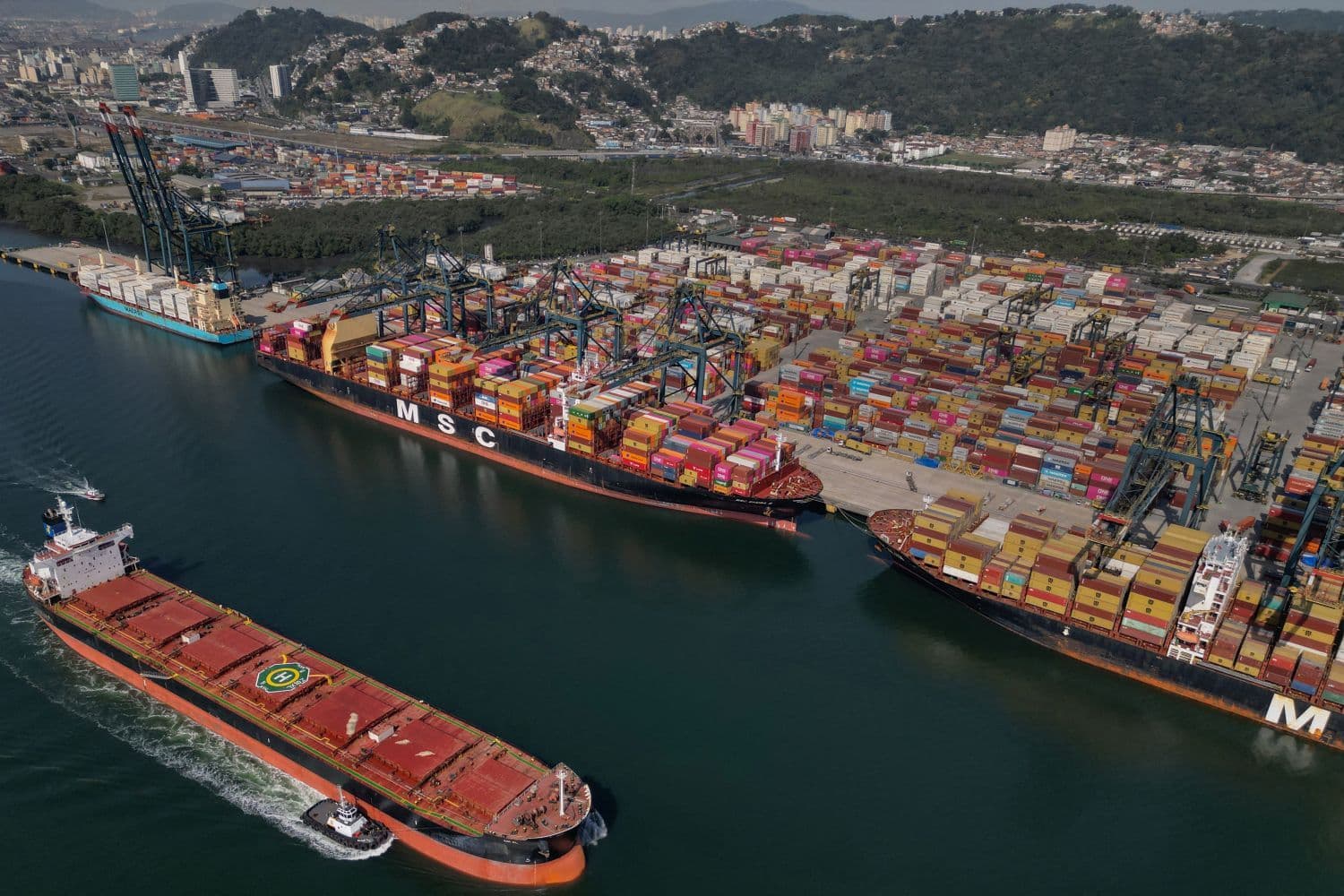
Ocean carriers plan rate increases on the Asia-ECSA trade lane, though market observers doubt their sustainability.
The bulker market saw reduced activity as China observed its National Day Golden Week holiday from October 1st to 7th
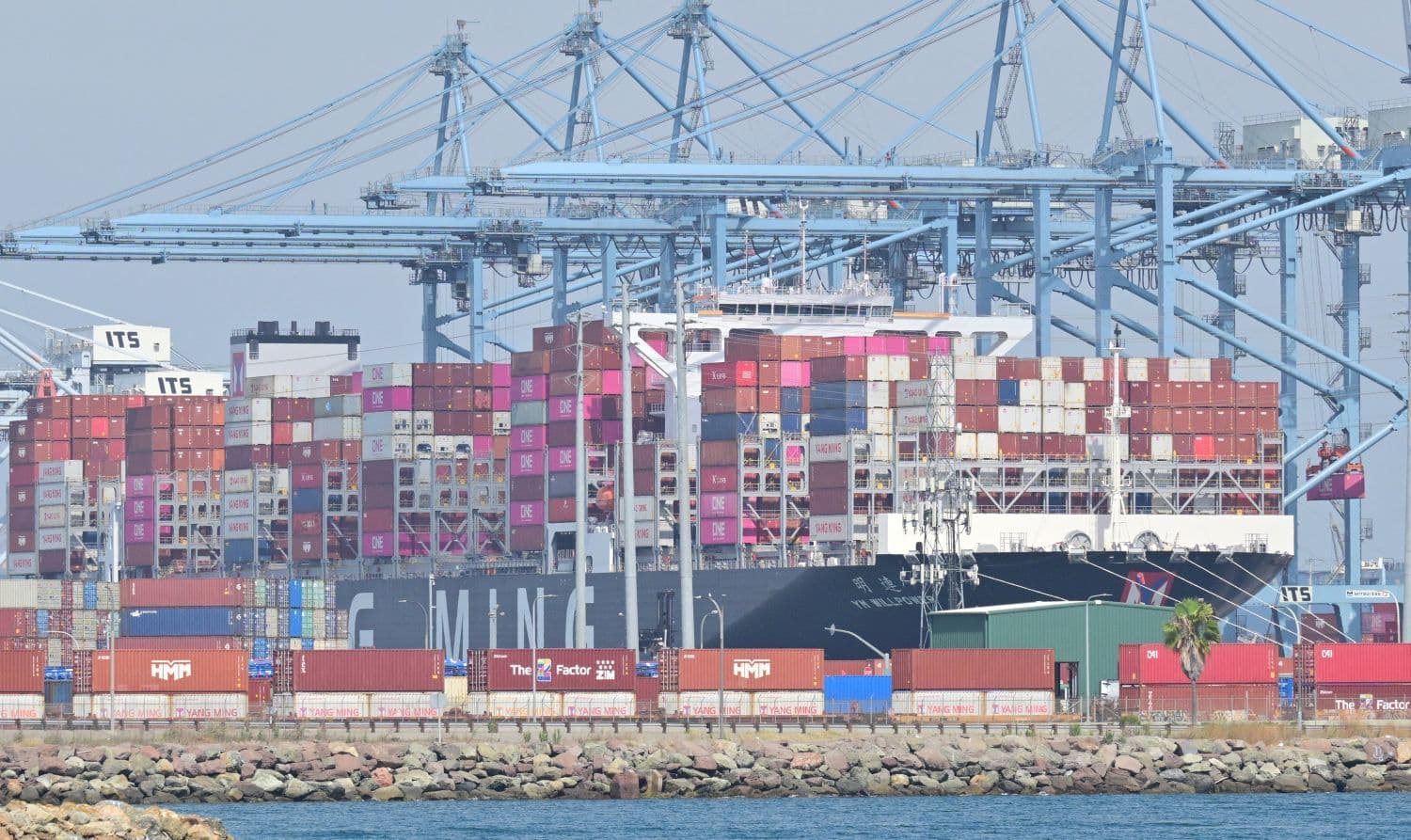
Asia port congestion in September has tightened trans-Pacific capacity, prolonging the peak shipping season.
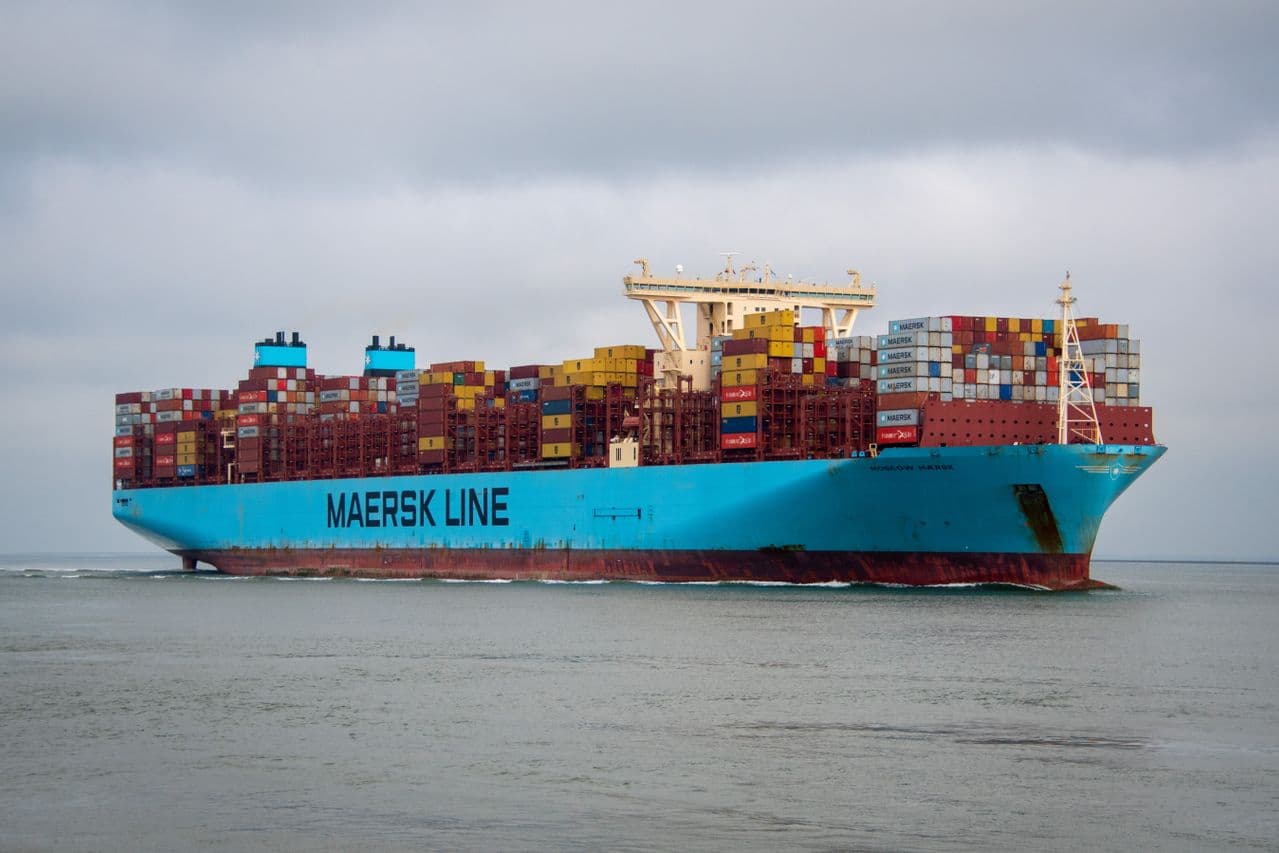
Maersk loses second Asia-ECSA partner, leading to reduced capacity and fewer fallback options for shippers
CMA CGM refutes Samsung's $186 million FMC claim, arguing the electronics firm profited during the pandemic.

Singaporean logistics leaders gathered to discuss budgeting for 2027 container shipping amidst market volatility
The Capesize sector has emerged as a strong performer in the dry bulk market due to robust cargo demand and tighter vessel availability
Suez Canal containership transits increased by 59% from March to September, suggesting a return to shorter routes and potential rate drops
US corn prices fell sharply after the USDA Grains Stocks report indicated higher corn stocks than expected.
Shippers are re-evaluating carrier relationships as truck capacity tightens after a period of falling contract rates
Bank of America has raised its long-term copper price forecast to $12,000 per ton due to ongoing supply issues

French road transport companies will initiate protests on October 21st in Paris due to escalating fuel prices.
The Baltic Dry Index climbed 27 points to 3140 on October 1, reflecting movements in global dry bulk shipping rates
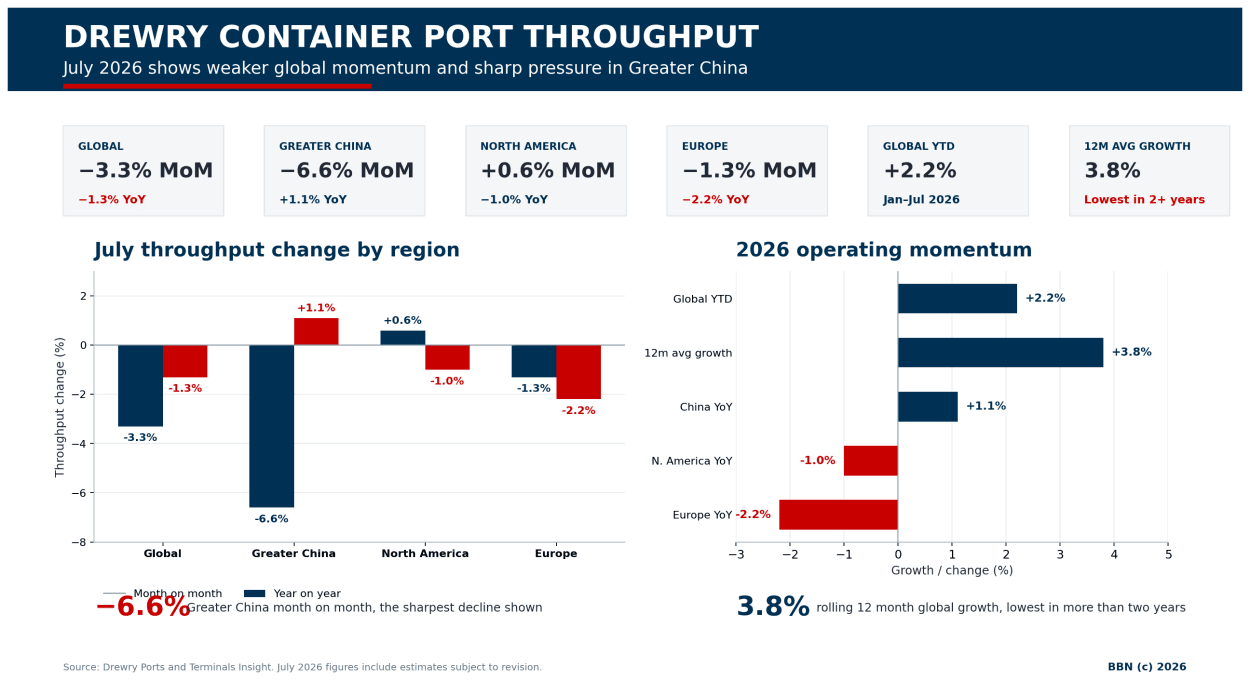
Global container port throughput fell 3.3% in July due to weaker growth, typhoon disruption, and declining volumes

Ocean congestion and tariff uncertainties could lead to increased air cargo volumes, particularly in peak season
This report details the latest time charter rates for tanker and dry bulk shipping sectors.
German import prices rose 8.3% year-on-year in August 2026, reaching a near four-year high due to surging energy costs
Browse by mode or open the Intelligence Suite for cross-cutting briefs.