2d ago·Hellenic Shipping NewsHIGH
BIMCO Committees Address Strait of Hormuz Security and Decarbonization
BIMCO committees met to discuss security in key maritime passages and environmental topics, including regional conflicts.
Latest coverage tied to this risk region from our curated freight publishers, across the topics that define it.
BIMCO committees met to discuss security in key maritime passages and environmental topics, including regional conflicts.
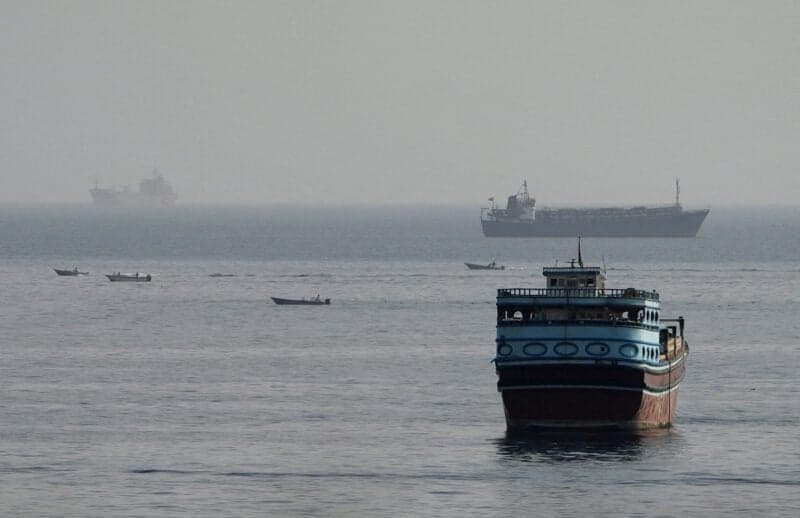
Saudi Arabia is reportedly planning a military offensive against Houthi militants in Yemen to secure Red Sea shipping.
Alleged arms sales and military training between Houthis and Al-Shabab are increasing concerns for Red Sea shipping security
Suez Canal containership transits increased by 59% from March to September, suggesting a return to shorter routes and potential rate drops
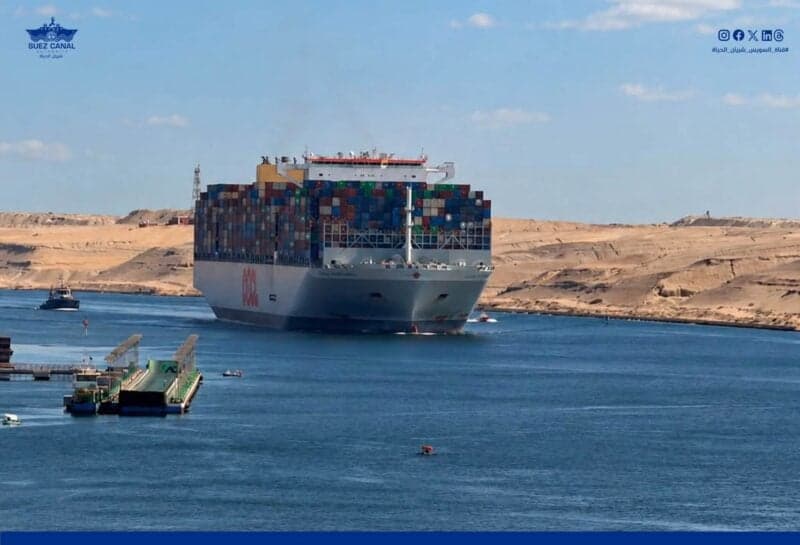
The Premier Alliance will resume Suez Canal transits for Asia-Europe services, indicating a broader return by ocean carriers.
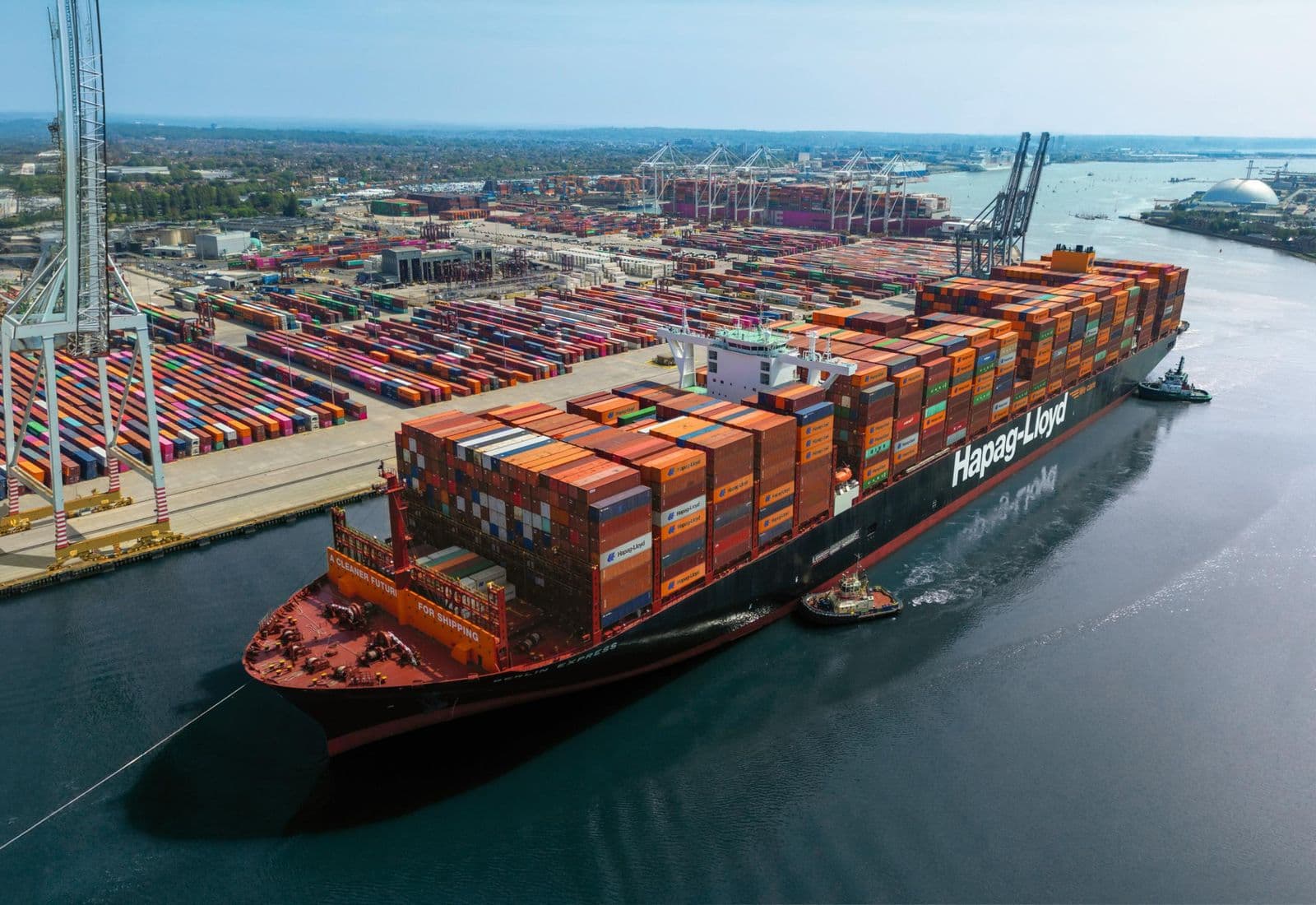
Hapag-Lloyd is reportedly evaluating a return to the Suez Canal for its India-US East Coast service.
Hapag-Lloyd is reportedly restoring its TPI service through the Suez Canal for India-US East Coast routes.
Tanker loadings have resumed at Saudi Arabia's Yanbu port, with a VLCC chartered for a Red Sea to Asia route.
Bunker fuel availability in Singapore and Malaysia remains tight, with VLSFO lead times at 10-15 days due to supply disruptions.
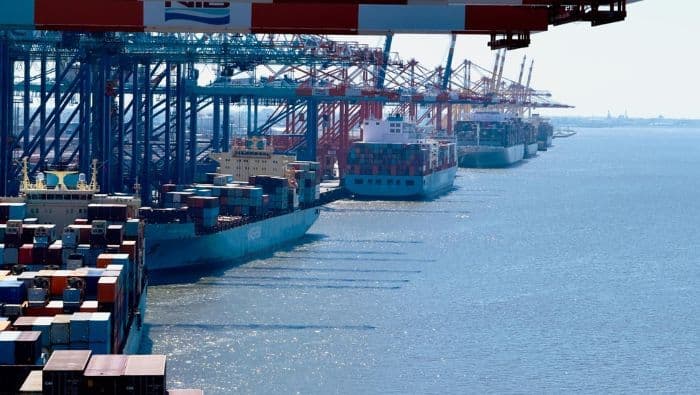
Carriers are pushing for rate increases on the Asia-Europe trade lane despite a seasonal export slowdown and increased capacity
Container spot rates to US East and West Coasts have fallen, influenced by the upcoming Golden Week holiday.

Air cargo leaders must transition from dialogue to decisive action to address industry shifts like AI, e-commerce, and geopolitics
Maersk and Hapag-Lloyd are rerouting AE19 and AE15 services via the Suez Canal after a Red Sea security assessment
Maersk has resumed Suez Canal routing for its India-Savannah service, significantly cutting transit times and improving supply chain…

Insurance costs for oil tankers loading from Saudi Arabia's main Red Sea port have tripled recently due to heightened regional tensions
Global container shipping rates saw a minor dip this week, influenced by lower Asia-Europe prices and upcoming blank sailings.
BIMCO predicts a 10% container shipping overcapacity by 2027 if Suez Canal transits normalize, impacting freight rates.
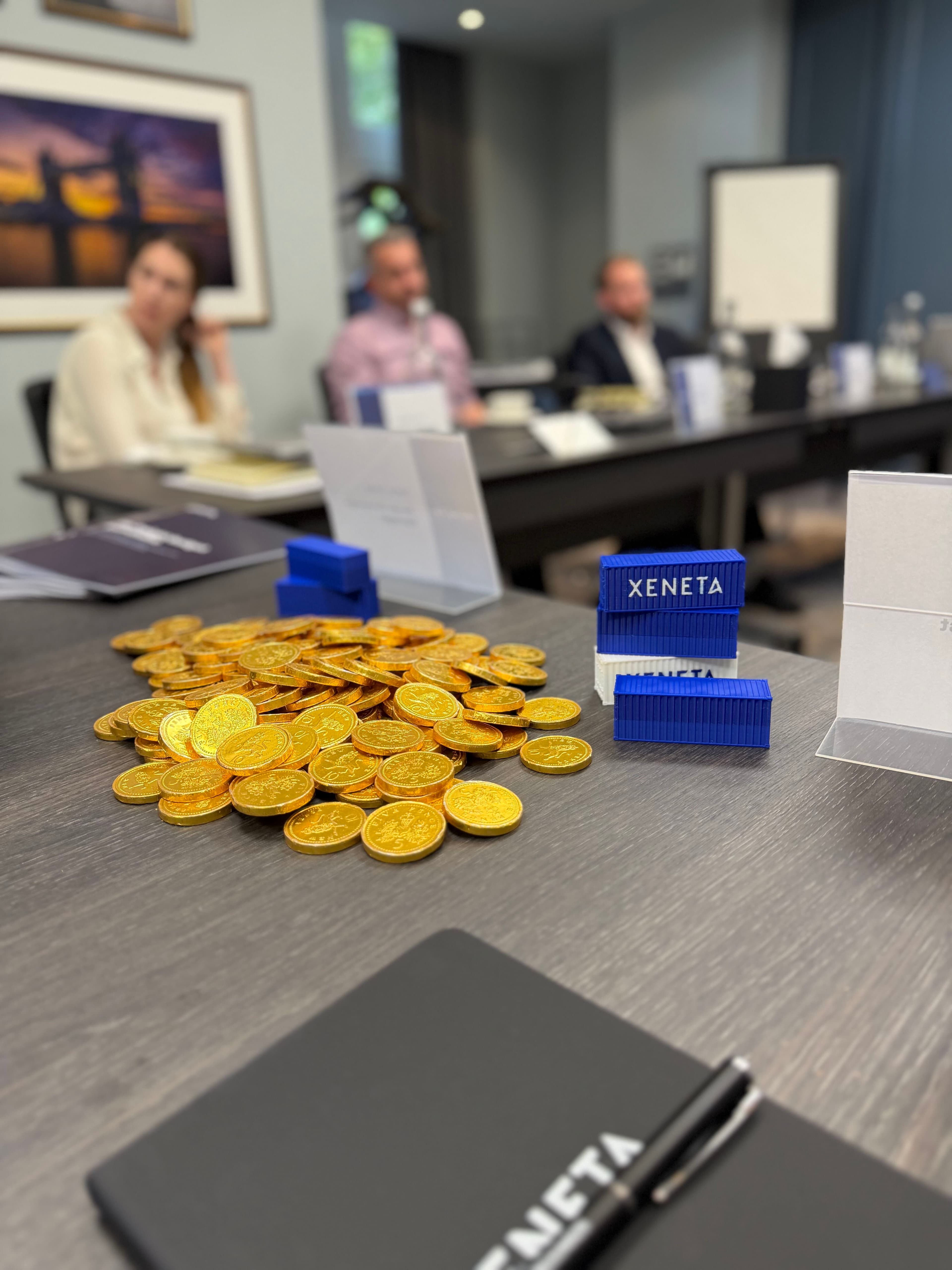
Procurement teams struggle to align traditional budgeting cycles with rapid market changes and geopolitical freight risks.
Maersk is increasing its use of the Suez Canal for Asia-Europe routes due to a tight global shipping market and port congestion
Bunker fuel availability in Singapore and Malaysia remains tight, with extended lead times for VLSFO due to low stocks and cargo delays.
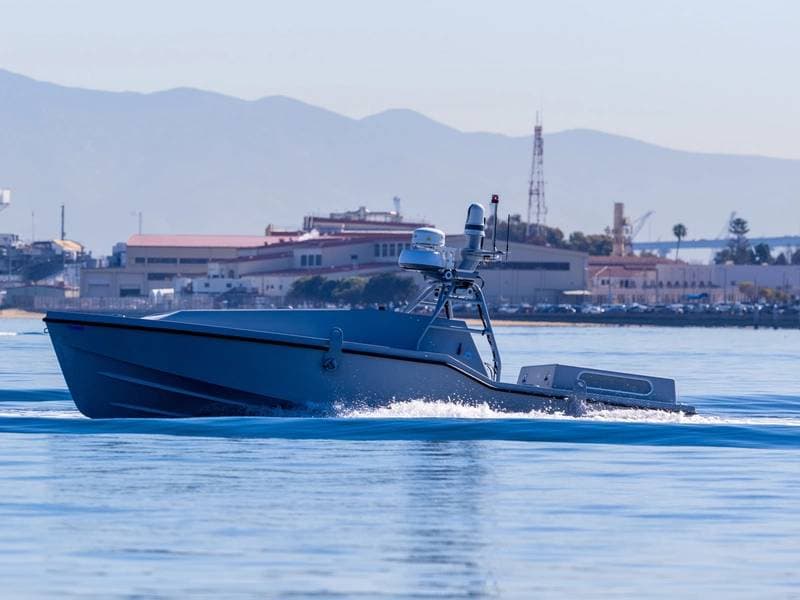
Saudi Arabia's MASNA Ventures is boosting maritime defense investments to counter regional military vulnerabilities.
The Suez Canal saw a 27% increase in August 2026 traffic, with 1,358 vessels transiting and generating $567.1 million.

Kaja Kallas, the EU's top diplomat, is urging member states to send more naval vessels to protect Red Sea shipping
Intense fighting in Yemen's highlands between Houthi and Saudi-backed forces threatens a critical shipping chokepoint.
A secret agreement between the US and Houthis reportedly allows American ships free Red Sea passage if the US avoids Yemen war intervention
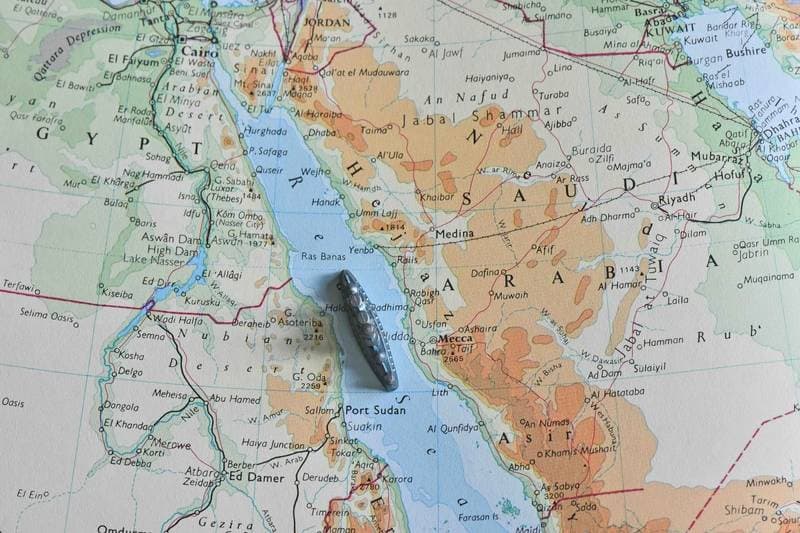
Houthi forces are pushing to control key Yemeni areas, potentially impacting Red Sea shipping, after a reported US strike cancellation.
Large crude oil tankers are avoiding the Bab al-Mandab Strait due to Houthi military activity, driving up oil shipping rates
Iran has specified its conditions for restarting US talks as Houthi attacks intensify against Saudi Arabian targets
Maritime security risks have escalated in the Red Sea and Strait of Hormuz due to recent military actions and vessel detentions.
Houthi forces attacked a Saudi oil pipeline and reportedly seized Perim Island, escalating Red Sea tensions and increasing freight rates
Browse by mode or open the Intelligence Suite for cross-cutting briefs.