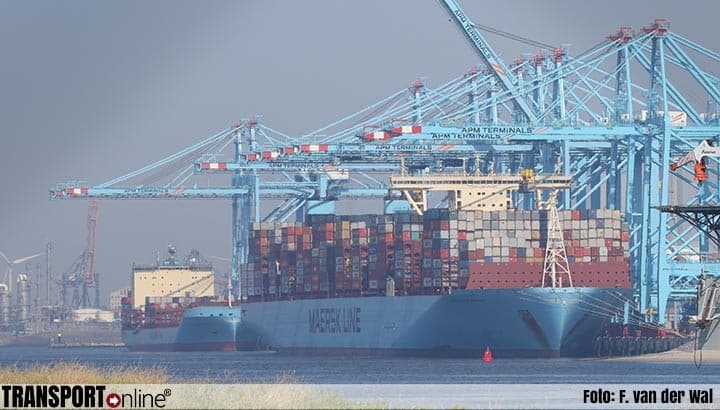
A.P. Møller-Maersk, the prominent Danish container shipping company, has once again revised its full-year profit expectations upwards. This improved outlook is attributed to strong performance during the second quarter, characterized by significant demand for shipping services and a consequent rise in freight rates.
The company noted that ongoing disruptions in Middle Eastern shipping, particularly the Red Sea crisis, played a role in tightening vessel capacity and pushing transportation costs higher. This geopolitical instability has forced many carriers to re-route vessels, leading to longer transit times and increased operational expenses, which are then passed on to shippers.
For freight forwarders and operations managers, this announcement from Maersk signals a continued volatile market with sustained high rates. The Red Sea diversions are a key factor, extending lead times and increasing bunker consumption, ultimately affecting overall supply chain costs and schedule reliability. Forwarders should anticipate that these elevated rates will persist as long as the geopolitical situation remains unstable, requiring proactive communication with clients regarding potential delays and pricing adjustments. Capacity might remain tight on certain trade lanes, particularly those impacted by the longer voyages around Africa.
Maersk's positive financial adjustment suggests that the market conditions supporting higher rates and demand are expected to continue for the foreseeable future, influencing contract negotiations and spot market pricing.