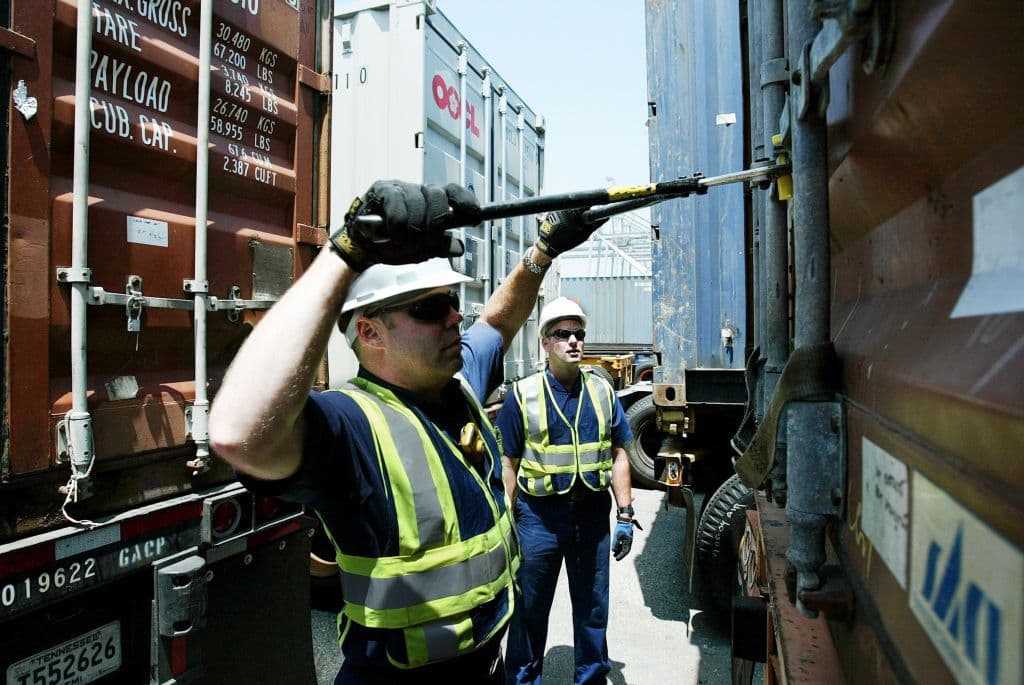
US importers are currently navigating a complex environment in the eastbound trans-Pacific, characterized by two primary pressures: stricter regulatory enforcement by US Customs and Border Protection (CBP) and a weakening position in rate negotiations with ocean carriers. This situation is leading to increased operational difficulties and higher costs for businesses moving goods into the United States.
For freight forwarders and operations managers, this means anticipating potential delays and increased scrutiny at US ports due to enhanced CBP regulations. It also suggests that securing favorable ocean freight rates on the trans-Pacific will become more challenging, especially during the upcoming peak season. Forwarders should advise shippers to book well in advance and prepare for potentially higher costs and less flexibility in carrier selection. Proactive compliance checks and robust documentation will be crucial to mitigate customs-related issues.