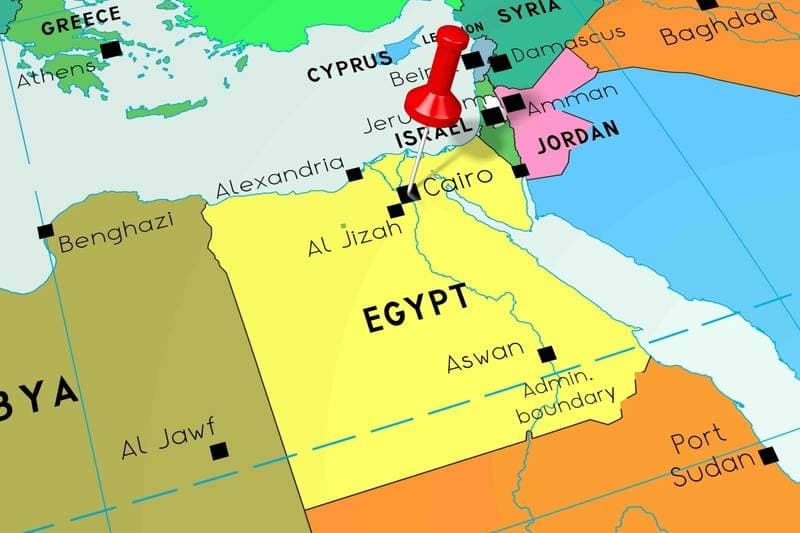
Egypt's Foreign Ministry has issued a strong rejection of the maritime boundary agreement recently ratified by Libya's eastern parliament and Turkey. Cairo stated that this agreement, approved on Tuesday, will have no legal standing or impact on Egypt's territorial claims or interests.
This rejection underscores the continuing geopolitical complexities and disputes over maritime boundaries in the Eastern Mediterranean region. The deal between Libya's eastern government and Turkey has been a point of contention for several regional powers, including Greece and Cyprus, who also have competing claims in the area.
For freight forwarders and shippers, such diplomatic disagreements, while not directly impacting immediate shipping routes or rates, contribute to regional instability. This can indirectly influence long-term investment decisions in port infrastructure or energy projects in the Eastern Mediterranean, potentially affecting future trade flows. While no immediate operational changes are expected, it's a development to monitor for broader geopolitical shifts that could, over time, affect regional trade and security.