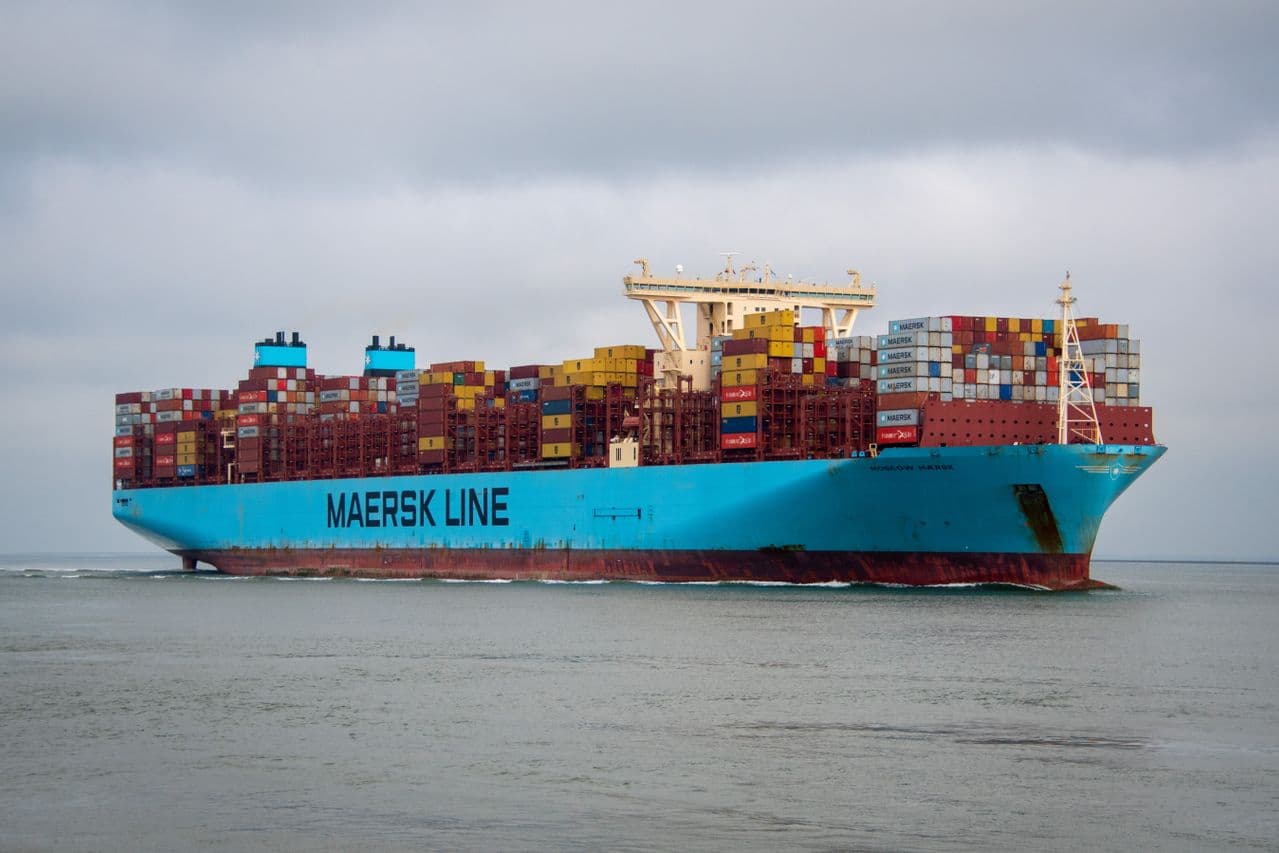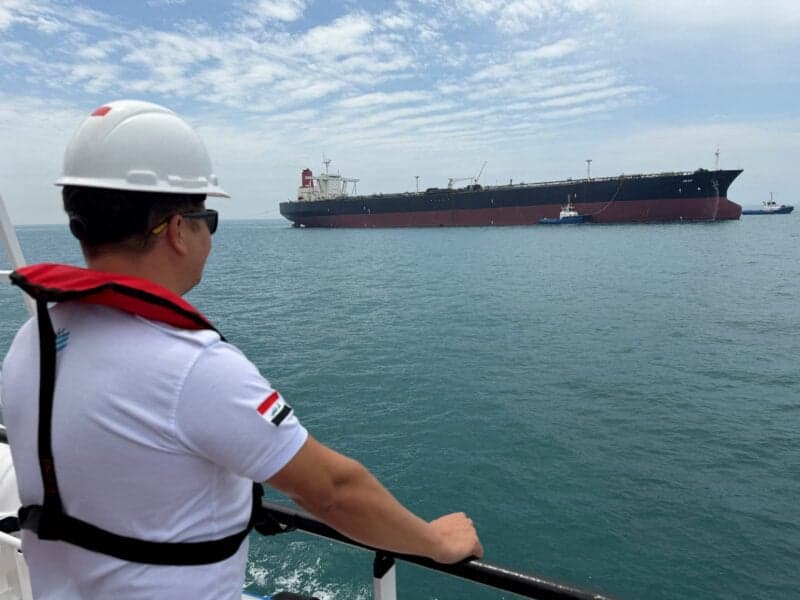
A tanker captain recently demonstrated exceptional seamanship by maneuvering his 300-meter vessel away from an incident in the Strait of Hormuz. The captain observed an explosion and subsequent fire on another ship ahead, prompting him to contact the US Navy to report the attack. This event illustrates the persistent dangers faced by commercial shipping in one of the world's most vital oil transit chokepoints.
For freight forwarders and operations managers, such incidents in the Strait of Hormuz translate directly into heightened operational risks and potential disruptions. Shippers may face increased war risk premiums for cargo insurance, longer transit times due to precautionary measures, and potential diversions if security escalates. Capacity could also be impacted if carriers become hesitant to operate in the region or if vessels are delayed awaiting security clearances. Forwarders must closely monitor geopolitical developments in this area and communicate potential impacts on schedules and costs to their clients.