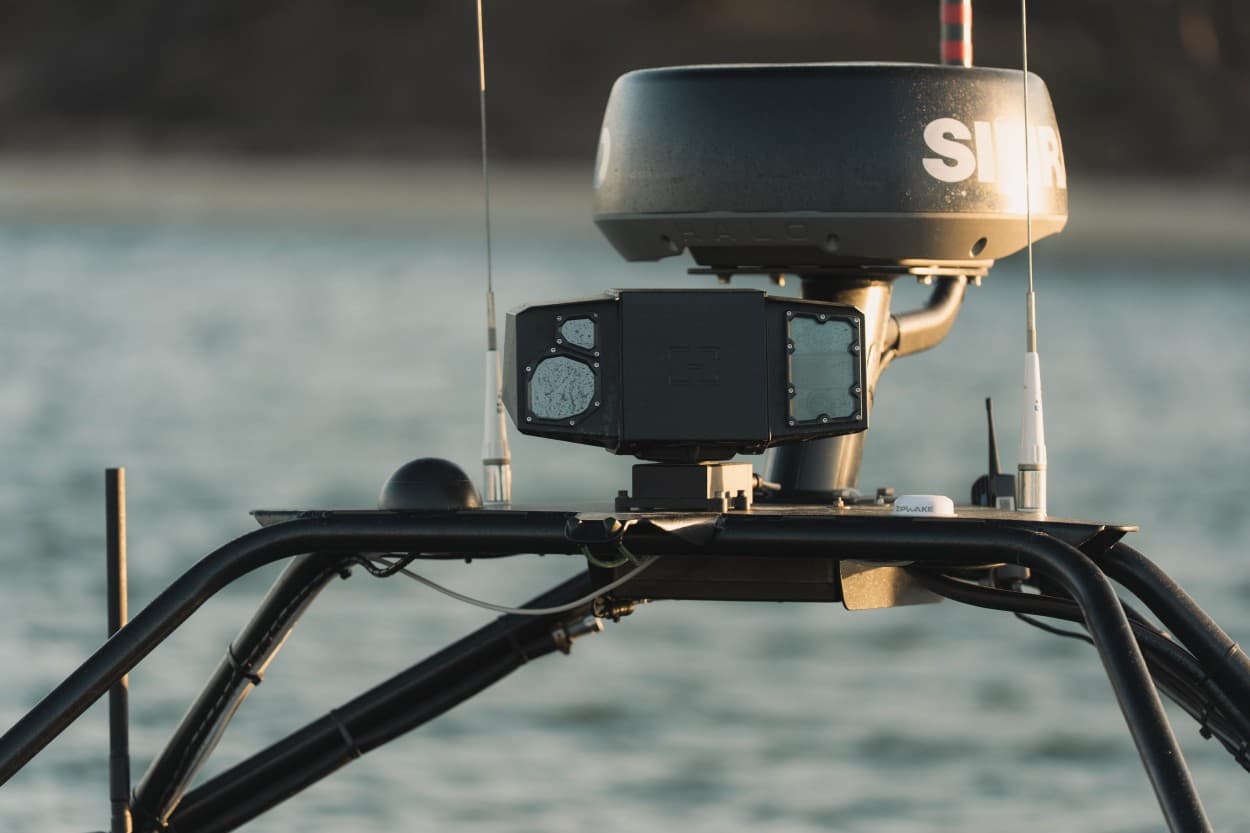
SEA.AI recently conducted trials of its machine vision systems across a fleet of crewed and uncrewed surface vessels (USVs) as part of the NATO REPMUS2026 exercise. The company partnered with MaritimeRobotics, SYOSAerospace, PolarMist, and the Portuguese Navy to execute these tests. The primary objective of this deployment was to improve the capabilities of optical detection, foster greater interoperability between different maritime platforms, and elevate situational awareness for autonomous operations at sea.
This collaboration underscores a growing trend towards integrating advanced AI and autonomous technologies into naval and maritime logistics. The REPMUS exercise provides a critical platform for validating such innovations in a realistic operational environment.
For freight forwarders and logistics professionals, advancements in autonomous maritime technology could eventually lead to more efficient and safer port operations, improved vessel navigation, and enhanced security for cargo. While direct commercial applications are still developing, these military exercises often pave the way for future civilian maritime innovations that could impact vessel scheduling, route optimization, and overall supply chain resilience. Increased situational awareness could also reduce incident risks, potentially affecting cargo insurance premiums and transit times.
Future developments are expected to focus on further refining these machine vision systems to operate effectively in diverse and challenging maritime conditions, ultimately contributing to the broader adoption of autonomous capabilities in both military and commercial shipping.