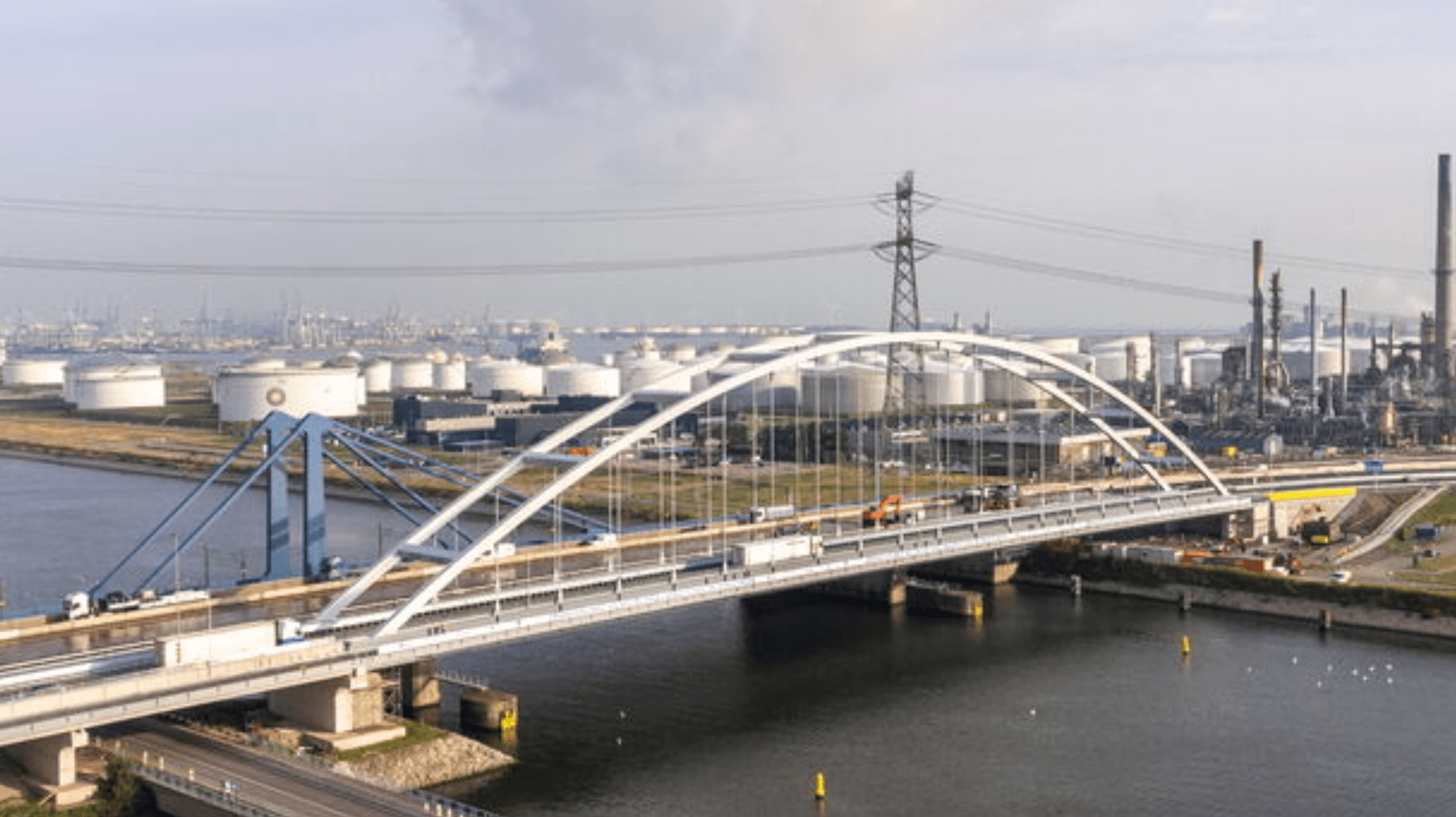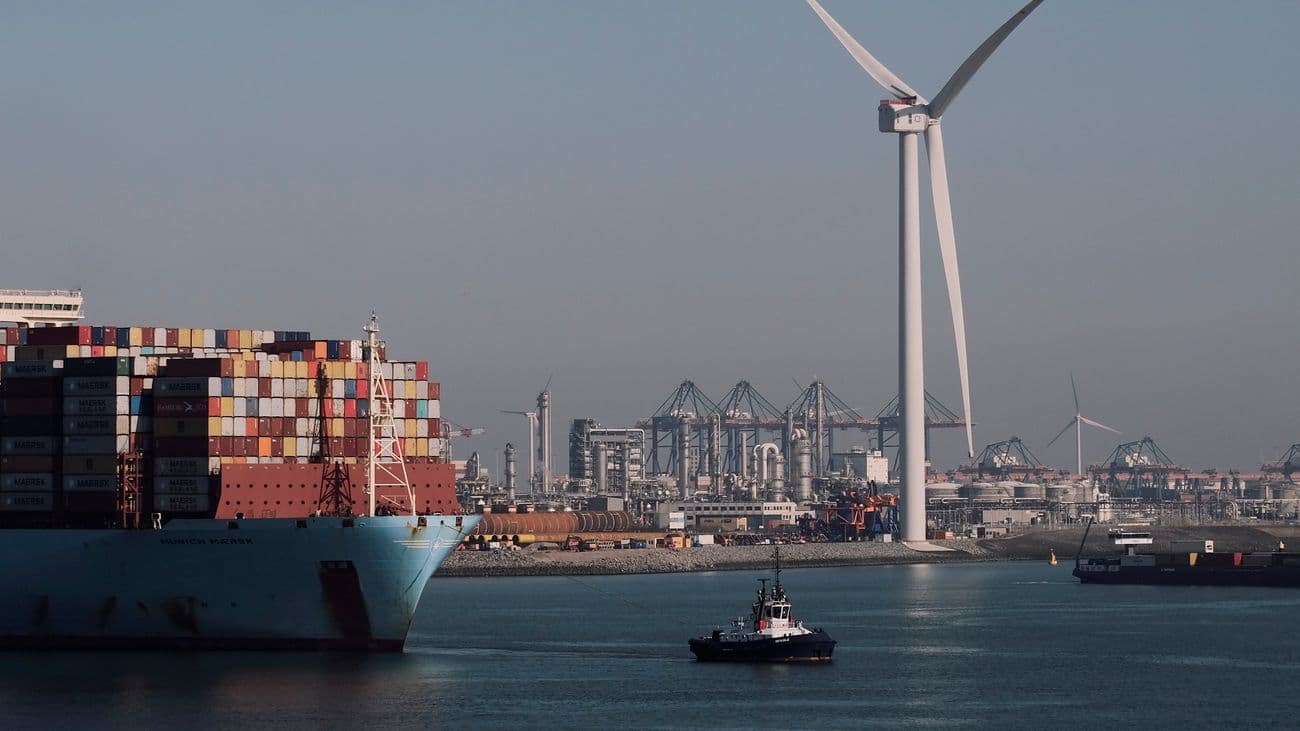
A recent report indicates that the Port of Rotterdam will need tens of billions of euros in investment by 2050 to ensure its continued global competitiveness. These funds are earmarked for critical upgrades in sustainability initiatives and infrastructure development.
This substantial financial requirement underscores the challenges faced by major port authorities in Europe and globally. Ports must continuously invest in modernizing facilities, adopting greener technologies, and expanding capacity to handle larger vessels and increased cargo volumes, all while navigating stringent environmental regulations.
For freight forwarders and logistics professionals, such investments in Rotterdam are crucial. Enhanced infrastructure can lead to improved operational efficiency, faster vessel turnaround times, and better intermodal connections, potentially reducing transit times and costs for cargo moving through one of Europe's busiest gateways. Sustainability upgrades may also impact carrier choices and compliance requirements in the long term. Conversely, the sheer scale of investment could lead to increased port fees or other charges as the port seeks to recoup costs, which might eventually be passed on to shippers.
The report suggests that without these significant investments, the port risks falling behind its international rivals, potentially impacting its role as a key hub for European trade.